Côte d’Ivoire’s agricultural sector and policy insights
The Côte d’Ivoire remains a powerhouse in West African agriculture, though its economic footprint has evolved significantly since independence. While the sector once accounted for nearly 50% of the country’s GDP, it now contributes just 15.9% as of 2024. Yet agriculture continues to employ a substantial 46% of the workforce, and agricultural products drive over half of the nation’s trade surplus, representing 51.5% of exports in 2025.
Rural communities face higher poverty rates—54.4% compared to the national average of 37.5%—with agricultural employment dominating rural livelihoods. Shockingly, about 90% of farmers fall within the lowest income bracket, and in the cocoa industry specifically, 60% of growers live below the national poverty threshold.
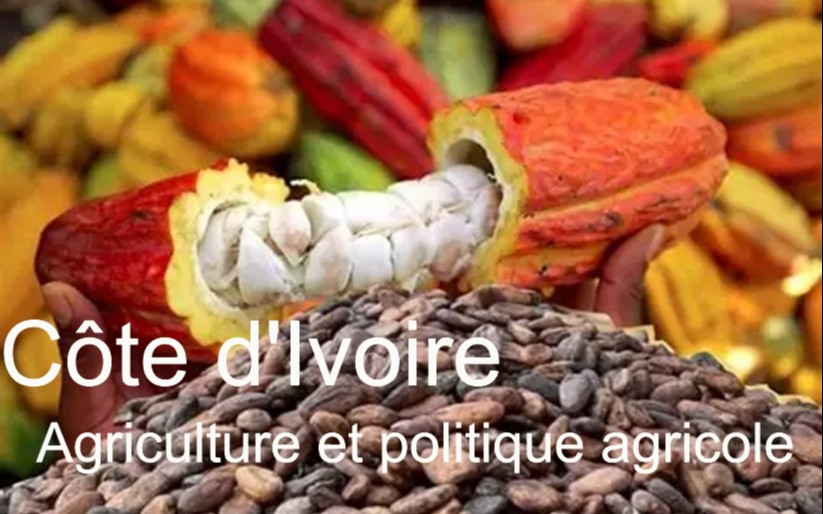
The backbone of Côte d’Ivoire’s agricultural success lies in its cash crops: it ranks as the world’s top producer of cocoa and cashews, and stands third globally in natural rubber output. However, the country still relies heavily on imports for essential food staples like cereals and fish, which form the dietary foundation for urban populations. The nation’s food crop production remains fragmented, largely operating within an informal economy that restricts smallholder farmers’ access to broader markets.