
Controversial French TV report on homosexuality in Senegal sparks debate
A recent television segment on a French public broadcaster has ignited fierce debate in Senegal, with critics accusing it of spreading misinformation and portraying the country in an unfair light. The report, which examines the situation of LGBTQ+ individuals in Senegal, has drawn sharp reactions from both local and international observers.
Claim and counterclaim ignite public reaction
The broadcast featured an anonymous testimony from a Senegalese individual who alleged that local communities had been indoctrinated with the belief that “killing a homosexual would guarantee entry into paradise.” This sweeping claim immediately provoked outrage among viewers, with many dismissing it as an outright fabrication designed to tarnish Senegal’s reputation.
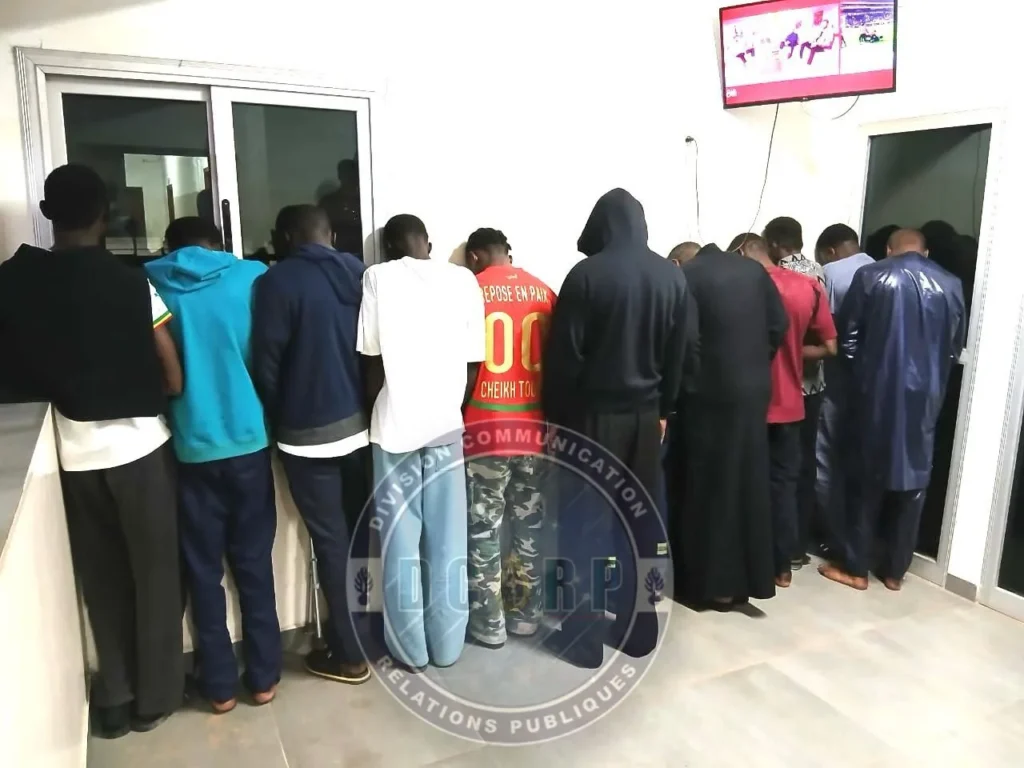
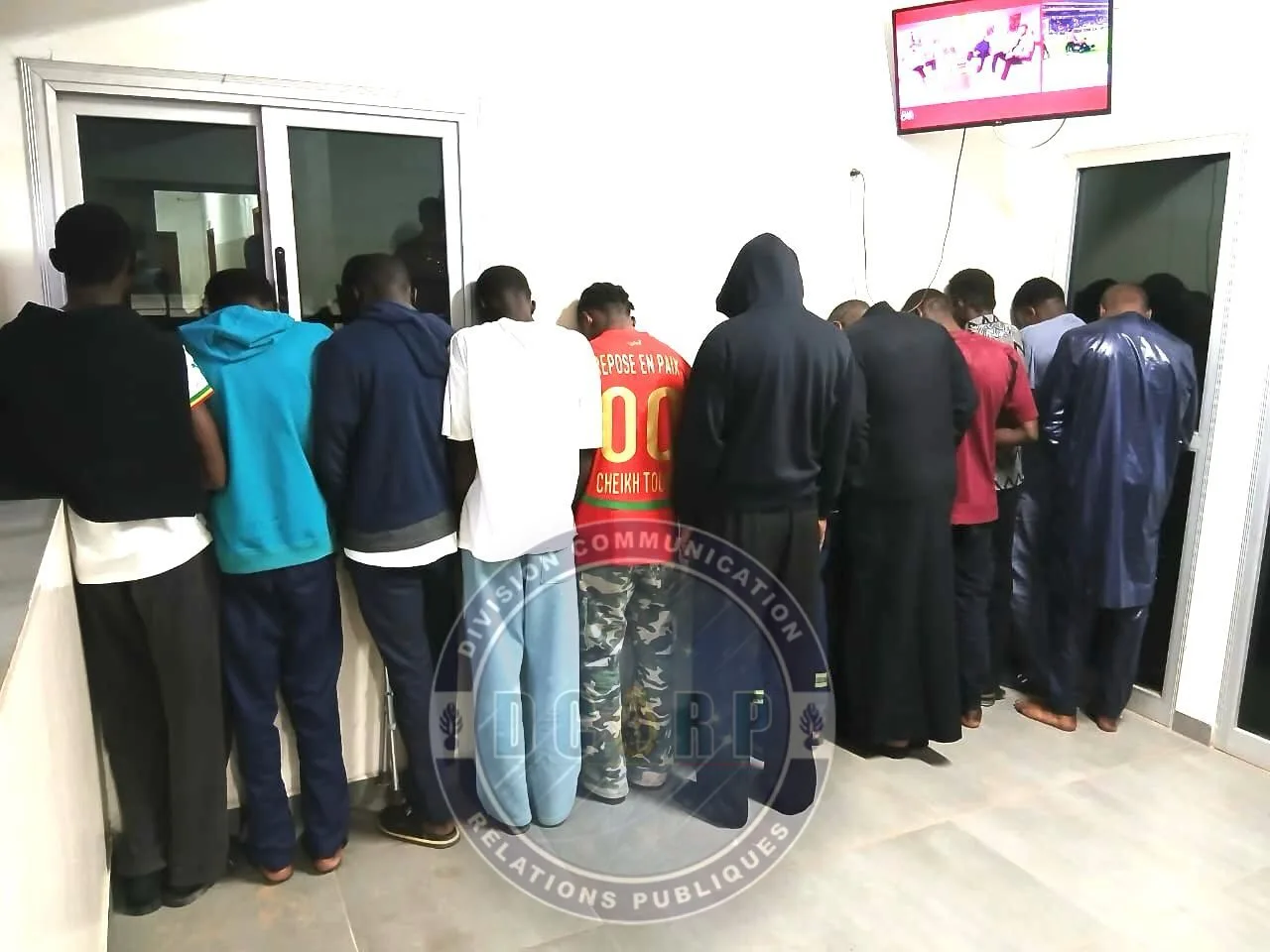
Another focal point of criticism centered on the report’s portrayal of recent legal cases. While the program suggested that arrests and convictions were exclusively tied to sexual orientation, skeptics pointed out that defendants in these cases were actually charged with deliberate transmission of HIV/AIDS, a separate criminal offense under Senegalese law.
Equally notable was the omission of any discussion about the legal charges when medical professionals from the National AIDS Control Center were interviewed, further fueling accusations of a skewed narrative.
Social media erupts in response
Public reaction on digital platforms has been swift and polarized. Some users expressed shock, stating they had never encountered such claims before, while others condemned what they saw as a deliberate attempt to demonize Senegalese society. The debate highlights deep divisions over how LGBTQ+ issues are framed in both local and international media.
Critics argue that the report’s selective framing overlooks the legal context of recent prosecutions, which are not based on sexual orientation alone but on specific public health violations. This has led many to question the objectivity of the coverage and its potential impact on perceptions of Senegal.
What the law says
The controversy has also drawn attention to the legal framework governing public health and LGBTQ+ rights in Senegal. While same-sex relations remain legally ambiguous, the transmission of HIV/AIDS is a clearly defined criminal offense. This distinction, critics argue, was not adequately addressed in the report, leaving viewers with an incomplete understanding of the situation.
As discussions continue both online and offline, the debate raises important questions about media responsibility, cultural sensitivity, and the portrayal of sensitive social issues in international news coverage.
You may also like
Cameroun : les signes avant-coureurs d’une transition politique
Gabon’s economic management hindered by unreliable public data
Niger: General Tiani faces growing unease within special forces after Russian involvement
Mali : 17 morts dans les rangs des dozos, le JNIM accentue sa pression
Sahel : le pari des juntes tourne-t-il à l’échec sécuritaire ?