CNSA’s move to ease tensions ahead of democratic talks in DRC
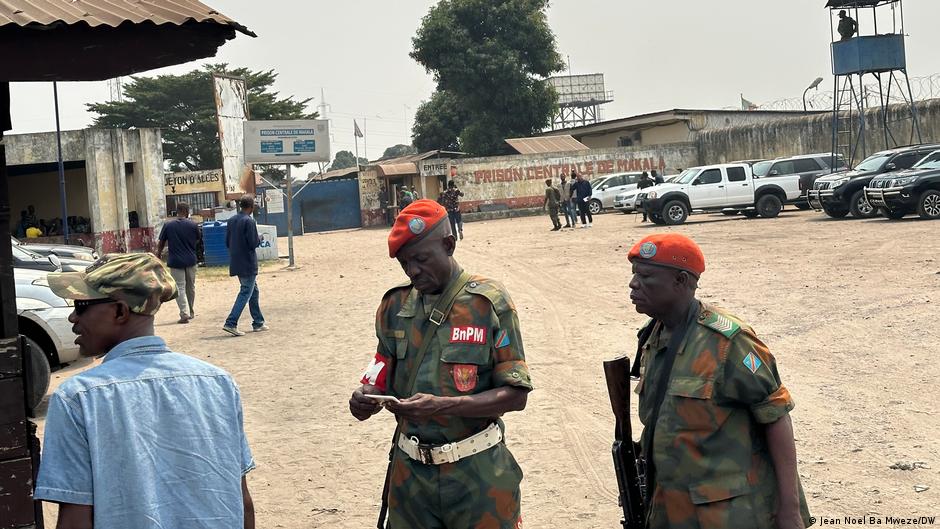
A week after launching its census of political and opinion prisoners, the National Council for Monitoring the Agreement and Electoral Process (CNSA) in the Democratic Republic of the Congo is maintaining that the initiative applies to all eligible individuals. The Council emphasizes that justice must remain blind—equally accessible to all.
This move is part of a broader confidence-building effort ahead of the much-anticipated inclusive national dialogue. The CNSA aims to compile and submit a comprehensive list to President Félix Tshisekedi, enabling him to take preemptive steps before the dialogue commences.
Justice without distinction
The CNSA has established clear criteria for reviewing cases, with a focus on identifying individuals who may qualify for amnesty. Among those whose names have surfaced in discussions are Aubin Minaku and Emmanuel Ramazani Shadary—prominent figures from the People’s Party for Reconstruction and Democracy (PPRD), led by former President Joseph Kabila.
“When someone is detained, they should appear before a judge within 48 hours. However, reports indicate some have spent nearly six months in custody without trial,” explains Joseph Olenghankoy, Chair of the CNSA. “We must examine each case individually, but one thing is clear: there has been a breach of due process. Justice is blind—it applies to all. Our duty is to bring these concerns to the highest authority so that appropriate measures can be taken to ensure freedom and pave the way for genuine dialogue among Congolese citizens.”
PPRD welcomes the initiative
The initiative has been warmly received by the political circle around Aubin Minaku and Emmanuel Ramazani Shadary. “If the CNSA’s efforts lead to the release of our detained comrades, we wholeheartedly support this move. Any initiative that promotes their freedom—whether from within or outside our ranks—deserves our full backing,” states Lucain Kasongo, a PPRD cadre, naming several detainees including Minaku, Shadary, Dunia Kilanga, and Parole Kamizelo.
Earlier this week, Justicia ASBL, a human rights organization, submitted a list of over a hundred individuals it considers political or opinion prisoners to the Minister of Justice.
Death sentences complicate the path to reconciliation
Yet, the challenge remains significant. High-profile figures like former President Joseph Kabila and Corneille Nangaa, coordinator of the AFC/M23 rebellion, have been sentenced to death. Timothée Mbuya, Coordinator of Justicia ASBL, argues that these sentences must be overturned to foster trust. “A political decision is needed to annul these sentences, especially for Joseph Kabila and Corneille Nangaa. Such measures are essential to build the political trust required for an inclusive dialogue,” he asserts.
Whether the CNSA’s initiative translates into tangible easing of tensions remains to be seen, as calls for inclusive dialogue continue to grow across the DRC.
You may also like
As donor fatigue spreads, can Benin’s €544,042 UNAIDS pledge keep the HIV response on track?
Who pays the price when Burkina Faso’s public payroll contracts? Households weigh the cost of 1,917 fewer agents
Libya pushes for direct Tripoli-Yaoundé flights as Cameroon sets up working groups
JNIM seizes three Burkinabè positions in a single day as Traoré’s security record faces hard questions
Chad condemns Ennedi-East airstrikes at un general assembly, warns of retaliation