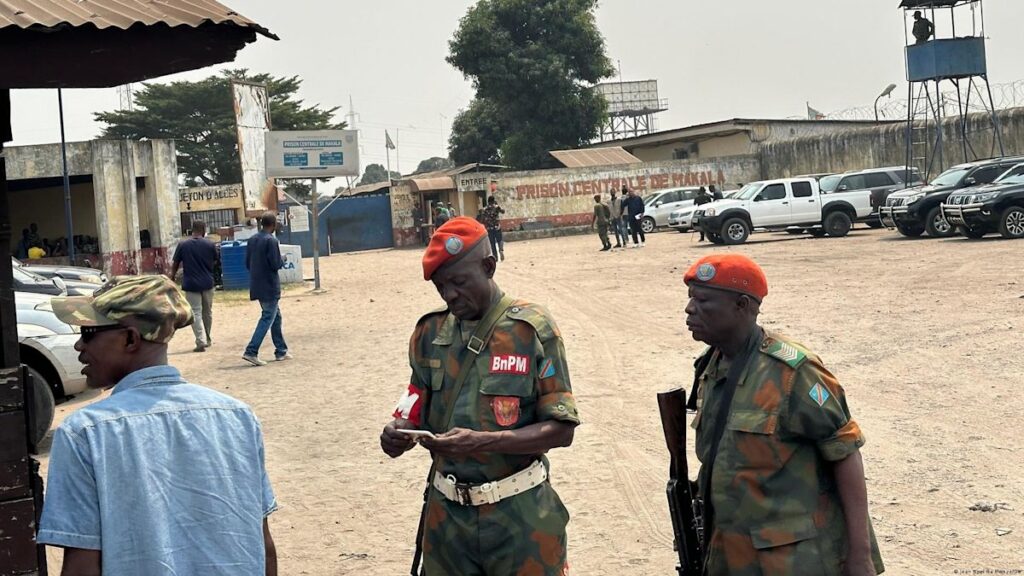
CNSA actions spark hope for DR Congo political dialogue
In the Democratic Republic of the Congo, one week after initiating the census of political and opinion prisoners, the National Council for Monitoring the Agreement and Electoral Process (CNSA) emphasizes that this initiative encompasses all eligible individuals. The Council underscores a fundamental principle: justice must prevail for everyone.
The effort aims to fuel the easing of tensions that the CNSA views as essential before convening the long-awaited inclusive dialogue in DR Congo. The Council intends to compile a comprehensive list to present to President Félix Tshisekedi, enabling him to take preemptive measures prior to the national dialogue.
Justice without distinction
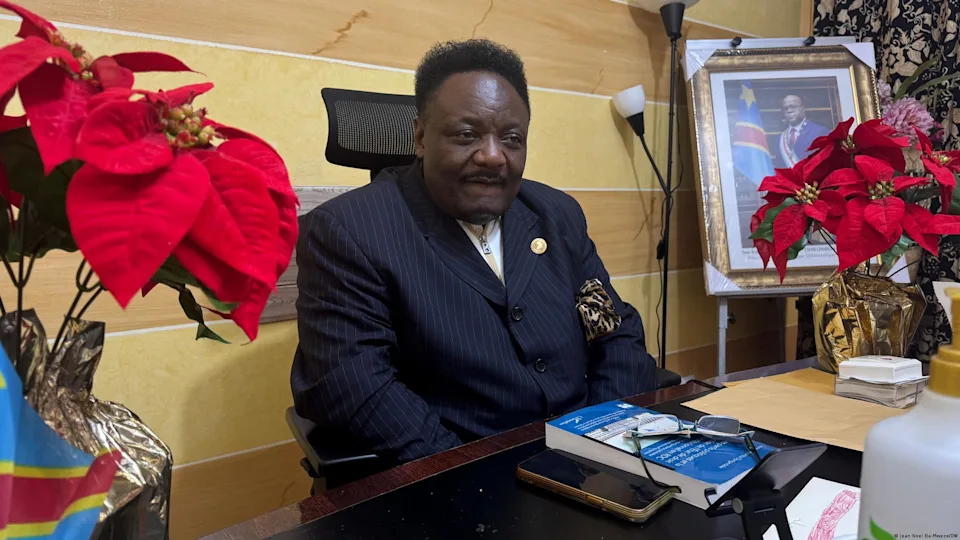
The CNSA has established clear criteria, particularly reviewing cases of individuals whose names may qualify for amnesty. “Justice knows no color,” states Joseph Olenghankoy, CNSA president, stressing that all detainees must face their natural judges within 48 hours. He highlights that many have been held for around six months, calling this a breach of legal norms.
“Our duty is to address these concerns with the highest authority to secure their release, fostering an environment conducive to dialogue among Congolese citizens,” he added.
PPRD welcomes CNSA’s initiative
The move has garnered strong support from the political family of prominent figures like Aubin Minaku and Emmanuel Ramazani Shadary.
“Should this CNSA initiative lead to the release of our detained comrades, we wholeheartedly endorse it,” remarks Lucain Kasongo, a PPRD cadre. He praises any effort aimed at securing the freedom of Minaku, Shadary, Dunia Kilanga, Parole Kamizelo, and others.
Addressing death sentences for dialogue
The scope also includes high-profile figures facing death sentences, such as former President Joseph Kabila and Corneille Nangaa, coordinator of the M23 rebellion.
Timothée Mbuya, coordinator of Justicia ASBL, a human rights organization, argues that annulling these sentences is crucial for building trust. “A political measure to overturn convictions, particularly for Joseph Kabila and Corneille Nangaa, is necessary,” he states. “This would significantly enhance the political trust required to establish an inclusive dialogue.”
As calls for inclusive dialogue intensify across DR Congo, the CNSA’s initiative may hold the key to tangible de-escalation measures.
You may also like
As donor fatigue spreads, can Benin’s €544,042 UNAIDS pledge keep the HIV response on track?
Who pays the price when Burkina Faso’s public payroll contracts? Households weigh the cost of 1,917 fewer agents
Libya pushes for direct Tripoli-Yaoundé flights as Cameroon sets up working groups
JNIM seizes three Burkinabè positions in a single day as Traoré’s security record faces hard questions
Chad condemns Ennedi-East airstrikes at un general assembly, warns of retaliation