The Central African Republic continues to witness shifting security dynamics, with reports emerging from Ndélé of a large-scale recruitment drive targeting local youth by the Wagner Group, a Russian mercenary outfit operating in the country.
According to local sources, approximately 1 000 young men have been enrolled into the group’s ranks over the past weeks, raising concerns among residents and observers alike. The operation appears to focus on young adults from the region, with recruitment efforts reportedly taking place in public spaces and through community networks.
How the recruitment unfolded in Ndélé
The process began with targeted outreach in Ndélé, a town in the northern part of the Central African Republic that has seen increased activity from armed factions in recent months. Eyewitnesses describe how recruiters approached potential candidates, offering financial incentives and promises of training in exchange for joining their ranks.
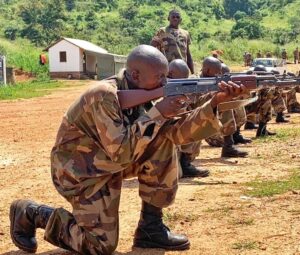
The recruits are expected to undergo military-style training, though details about their eventual roles remain unclear. Some locals speculate that they may be deployed to bolster security operations in volatile areas, while others fear they could be used for broader strategic purposes.
Reactions from the local community
Residents of Ndélé have expressed mixed feelings about the recruitment. While some young men see the opportunity as a means to earn income and gain skills, others view it with suspicion, questioning the long-term intentions of the Wagner Group in the region. Community leaders have raised concerns about the lack of transparency surrounding the initiative.
Local authorities have yet to issue an official statement regarding the recruitment drive, further fueling uncertainty. The absence of clear communication has left many families worried about the fate of their relatives who have joined the group.
Broader implications for the Central African Republic
The latest recruitment effort underscores the evolving security landscape in the Central African Republic, where foreign mercenary groups play an increasingly prominent role. The presence of the Wagner Group has been a subject of debate, with critics pointing to alleged human rights violations and destabilizing effects on the country’s fragile peace process.
For the Central African Republic, the influx of foreign fighters—whether through formal agreements or informal arrangements—raises questions about sovereignty and the long-term stability of the nation. As the country grapples with persistent insecurity, the actions of armed groups like Wagner continue to shape its future trajectory.