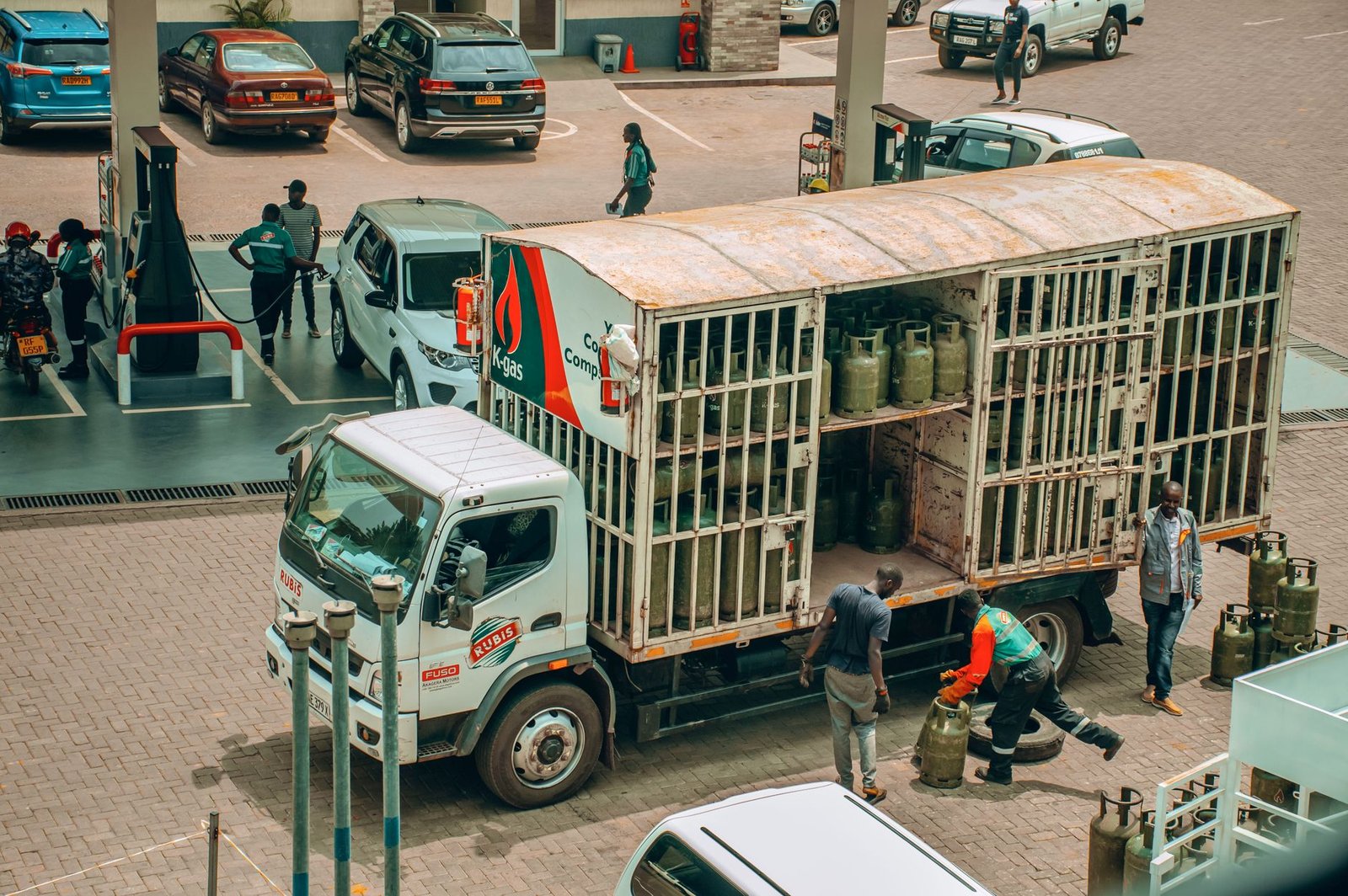
The Cameroonian domestic gas market has taken a decisive step forward with the launch of a competitive bidding process on September 1, 2026, for the supply of 60,000 metric tonnes of liquefied petroleum gas (LPG). Signed by Okie Johnson Ndoh, chair of the ad hoc commission overseeing petroleum product imports (CIPP), the tender divides the volume into two separate lots of 35,000 and 25,000 tonnes respectively. The move aims to meet the projected consumption needs for the 2026 fiscal year.
The bidding documents are available for collection at the offices of the Hydrocarbon Price Stabilization Fund (CSPH), located at the Warda crossroads in Yaoundé. The tender opening and award ceremony is scheduled for September 8 at noon in the same venue. As of now, the estimated market value, product origins, and transport arrangements have not been disclosed—these details will emerge from the technical evaluation of the proposals.
An unprecedented volume nearing five months of imports
When compared to recent trade flows, the scale of this procurement is striking. The 2025 national economic report, compiled by the Ministry of Economy, Planning and Territorial Development (MINEPAT) using customs data, revealed that Cameroon imported 150,420 tonnes of liquefied butane in the previous year, up from 145,163 tonnes in 2024—a 3.6% year-on-year increase. This growth reflects rising demand driven by rapid urbanization and the gradual shift away from wood-based energy sources.
Surprisingly, the customs bill decreased from 59.38 billion to 56.159 billion FCFA, a 5.4% reduction attributed to softer average import prices. Within this context, the 60,000-tonne tender represents 39.9% of the 2025 import volume—equivalent to nearly five months of consumption at the current monthly average. In practical terms, this translates to 4.8 million standard 12.5 kg cylinders. Based on last year’s average customs duty of 373,348 FCFA per tonne, the theoretical market envelope would reach approximately 22.4 billion FCFA, though the final price will hinge on the selected specifications and negotiated delivery terms.
Bipaga gas plant: a limited yet growing local alternative
Cameroon does produce some LPG domestically at the Bipaga gas processing facility in the Southern region, commissioned in 2018. According to the 2023 annual report from the National Hydrocarbons Corporation (SNH), the plant delivered 34,699 tonnes in that year, up from 28,677 tonnes in 2022—a 21% increase marking its second-best performance since operations began. Still, these volumes fall far short of meeting domestic demand.
In July 2026, SNH confirmed that Bipaga would continue producing around 30,000 tonnes annually despite the temporary halt to the Hilli Episeyo floating processing unit. This output remains critically insufficient compared to the 150,420 tonnes imported in 2025. The gap underscores Cameroon’s vulnerability to external supply shocks—whether logistical or price-related—and explains the CSPH’s regular tendering activity to secure reliable imports.
Balancing energy security and price stability
The September 1 tender serves a dual purpose: preventing potential supply shortages in the final quarter of 2026 and reducing the financial burden of the implicit subsidy on bottled gas prices, which has long weighed on public finances through the CSPH’s stabilization mechanism.
The true impact of this procurement—final cost, delivery timeline, and effect on strategic reserves—will only become clear after the September 8 award ceremony. The selected bids will reveal whether authorities favor established local operators or open the door to new international traders. Until then, the market awaits the outcome of this pivotal tender.