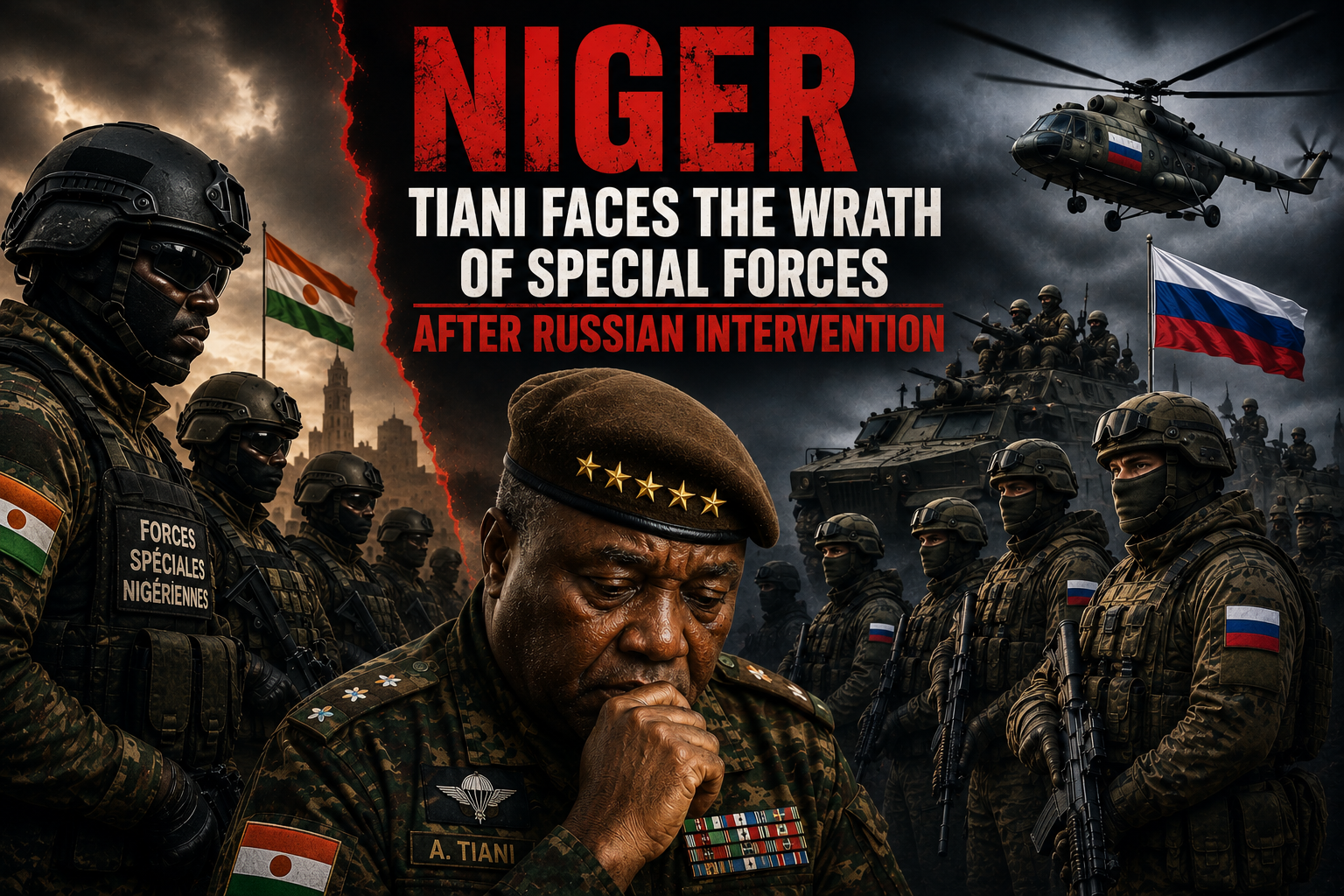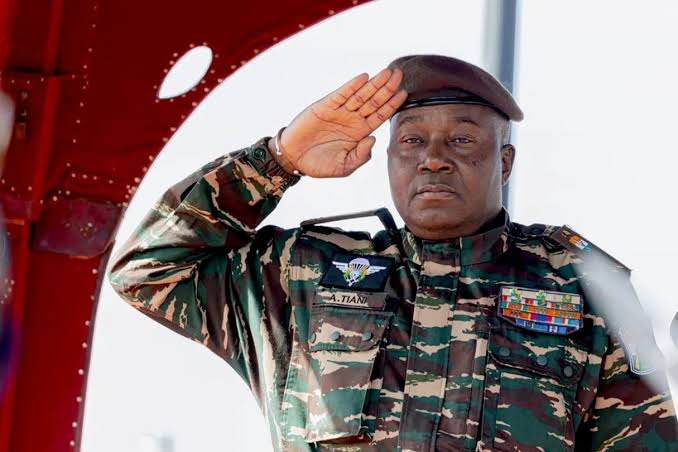
For over half a century, Niger has been trapped in a disheartening cycle of political instability. From the ousting of Hamani Diori in 1974 to the gunfire that erupted in Niamey on August 29, 2026—passing through the eras of Baré Maïnassara and Salou Djibo—the country has repeatedly turned to military force in the hope of resolving its crises. Yet the verdict is clear: five decades of coups have delivered nothing but fleeting promises, never lasting development, national unity, or security.
The illusion of stability through military might
Each coup d’état arrives draped in nationalist rhetoric, promising to restore pride and order. Yet history shows that no military takeover has ever delivered true stability. Instead, junta rule leads to prolonged power struggles, deepening isolation, and the exact conditions for its own collapse. The latest events aren’t an anomaly—they are the predictable result of a system built on armed intervention.
The high cost of abandoning constitutional rule
At the heart of Niger’s political tragedy lies a dangerous misconception: that force equals stability. In reality, when soldiers assume power outside the law:
- The army loses its core purpose: Turned into a political actor, the armed forces fracture into rival factions. Rather than securing borders or fighting terrorism, generals spend their energy on monitoring barracks and thwarting internal coups.
- Sovereignty becomes a hollow claim: Without popular legitimacy or strong institutions, juntas often seek foreign patrons to survive. Reliance on temporary alliances or foreign paramilitary forces merely swaps one dependency for another, weakening national cohesion and trust in government.
- Social trust collapses: With no checks and balances, no independent judiciary, and no free press, citizens become spectators to their own fate. The quiet resentment simmers, and when it boils over, it fuels new rebellions.
Why democracy offers the only sustainable path
Contrary to the myth that guns bring order, democracy is not a foreign import or a sign of weakness—it is the only system that can resolve crises without bloodshed. This was demonstrated in Niger between 2011 and 2023, when, despite immense security and economic challenges, the first peaceful transfer of power occurred under democratic rule.
The strength of democracy lies in what no rifle can ever provide:
- Peaceful leadership change: Citizens can remove an unpopular leader through the ballot box, not through mutiny, ambushes, or palace intrigue.
- Strengthened international partnerships: An elected government gains the credibility to negotiate long-term alliances, attract investment, and design coherent development programs.
- Military reset: When civilians govern, soldiers can return to their constitutional duty of defending the nation under a unified, respected command.
Time to break the cycle of failed juntas
Niger now stands at a crossroads. Continued reliance on military rule guarantees more coups, purges, and regional instability—a spiral with no exit. Putting an end to this curse isn’t about favoring one ideology over another—it’s about embracing the only institution that has ever delivered lasting stability: democracy.
The true measure of a nation’s strength isn’t the number of armored vehicles parked outside state buildings—it’s the resilience of its institutions and the trust of its people. Only by reclaiming democracy, boldly and without conditions, can Niger finally break free from the cycle of violence and walk toward a future of peace and shared prosperity.