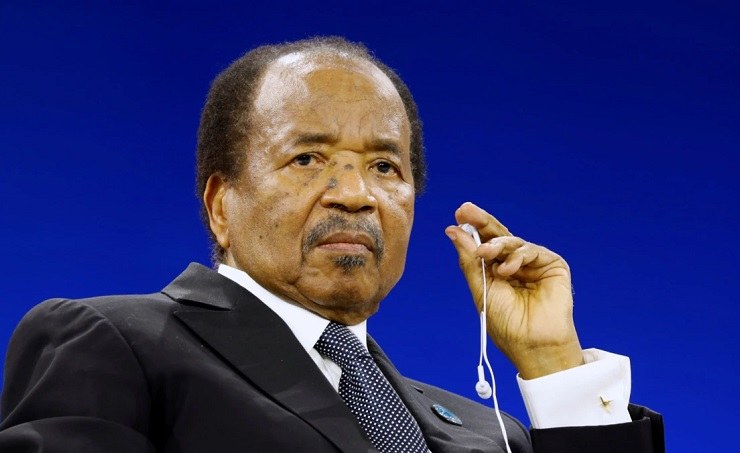
In a rare public statement, Cameroon’s Minister of Communication and government spokesperson, René Emmanuel Sadi, confirmed on August 2, 2026, the imminent return of President Paul Biya to the country. The announcement came amid escalating rumors about the 93-year-old head of state’s prolonged absence from the nation.
Government denies power vacuum amid opposition demands
The minister firmly rejected claims of a leadership void, declaring, « The president is alive… There is no power vacuum! » His remarks were directed at opposition figures who have intensified calls for transparency regarding the president’s health and the continuity of state institutions.
Paul Biya, born on February 13, 1933, has been absent from Cameroon for nearly two months, sparking widespread speculation. Opposition leaders, including Jean-Michel Nintcheu and the Democratic Union of Cameroon (UDC), have urged the Constitutional Council to formally recognize a power vacuum, arguing that national stability cannot hinge on silence or unconfirmed reports.
Legal framework for presidential succession in focus
Article 6, paragraph 4 of Cameroon’s Constitution outlines clear procedures in the event of a definitive power vacuum due to death, resignation, or incapacitation. The Council must confirm the vacancy, after which a presidential election must be held within 20 to 120 days.
During this interim period, the Senate President, Aboubakary Abdoulaye, would assume presidential duties in an acting capacity. If he is unable to perform the role, the first vice president, Naomie Mikel Bégala épouse Akono, would step in. However, the interim leader is constitutionally barred from altering the Constitution, reshuffling the government, calling a referendum, or running in the subsequent presidential election.