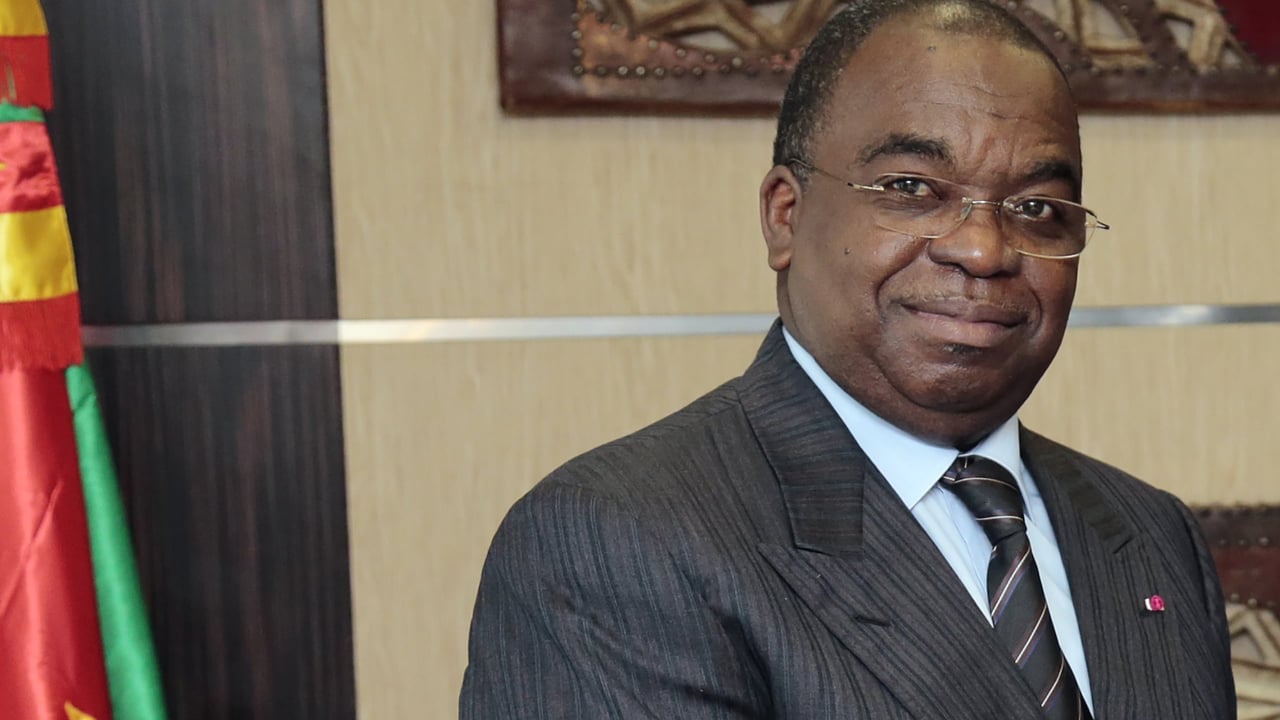

The political landscape in Cameroon is witnessing a subtle yet significant shift as key figures maneuver for influence ahead of critical transitions. Among them, Louis-Paul Motaze, the nation’s Finance Minister, has emerged as a prime candidate for the vice-presidency under President Paul Biya.
Observers note that Motaze’s strategic positioning isn’t accidental. As Cameroon’s economic architect, he has spent years consolidating his reputation as a technocrat capable of steering the country through complex financial challenges. His potential elevation to the vice-presidency would mark a strategic move to strengthen the government’s continuity and reform agenda.
The making of a potential successor
Louis-Paul Motaze’s rise isn’t without precedence. A long-time insider in Cameroon’s political circles, he has served in multiple high-profile roles, including as Minister of Economy, Planning, and Regional Development. His tenure has been characterized by efforts to modernize Cameroon’s financial systems and attract foreign investment.
While Motaze has avoided overt campaigning, his recent activities suggest a calculated campaign to secure the vice-presidential position. This includes high-level meetings with regional leaders and participation in key economic forums, where he often emphasizes the need for stability and progressive policies.
Reactions and implications
The potential appointment of Motaze has sparked discussions across political divides. Supporters argue that his experience in economic governance makes him an ideal candidate to support President Biya in navigating the country’s evolving socio-economic landscape. Critics, however, question whether his background in finance alone qualifies him for such a pivotal role.
Meanwhile, other names frequently mentioned in political circles include Ferdinand Ngoh Ngoh, a seasoned diplomat, and Franck Biya, the President’s son, whose own political ambitions remain a topic of speculation. The choice, when made, will undoubtedly shape Cameroon’s political future.
As the nation watches closely, the unfolding dynamics highlight the delicate balance of power and the high stakes involved in Cameroon’s political succession.