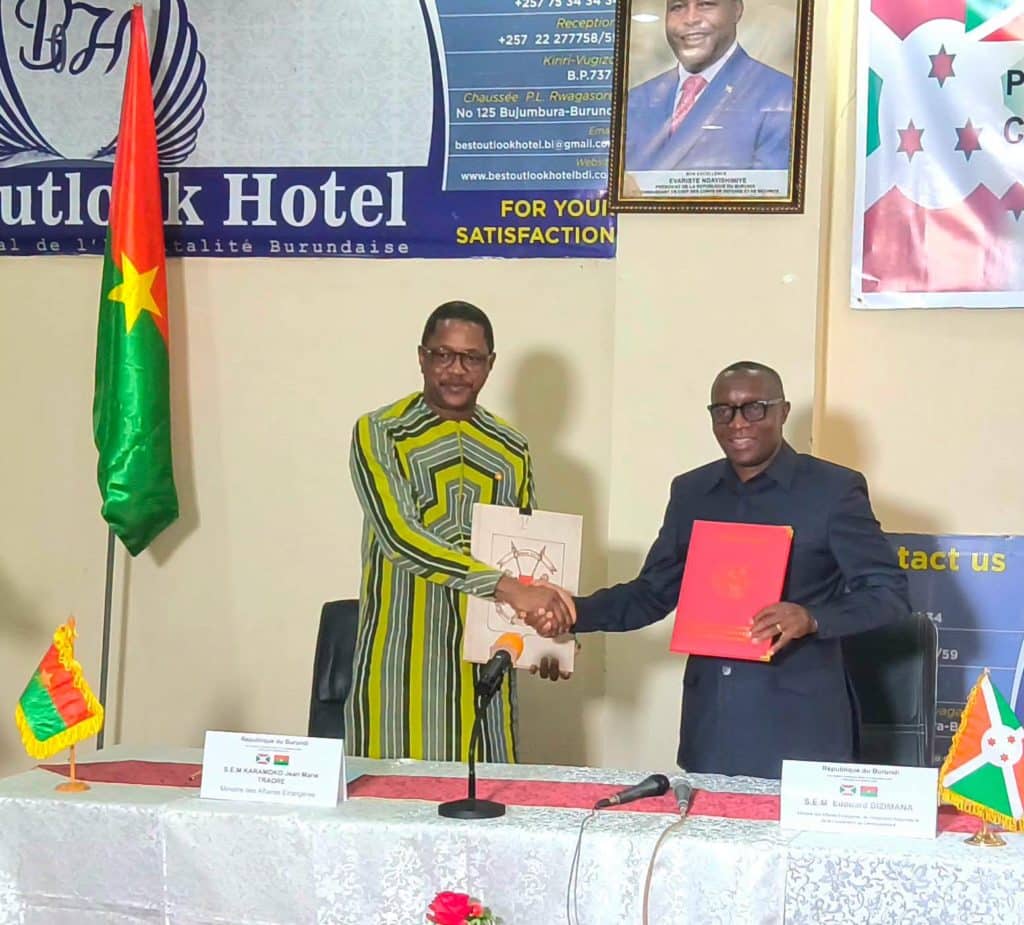
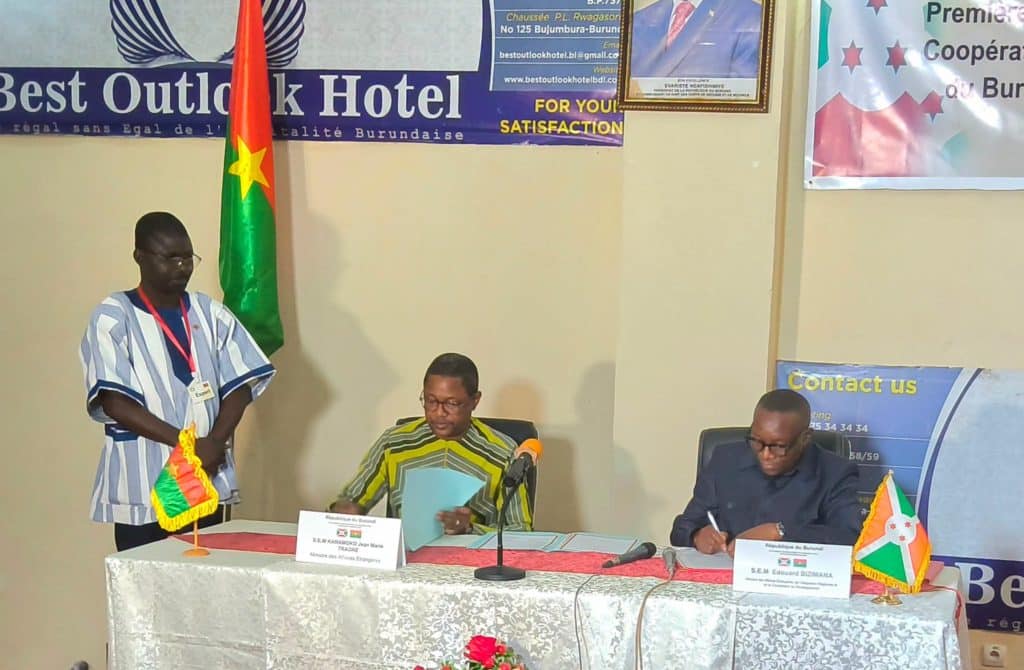
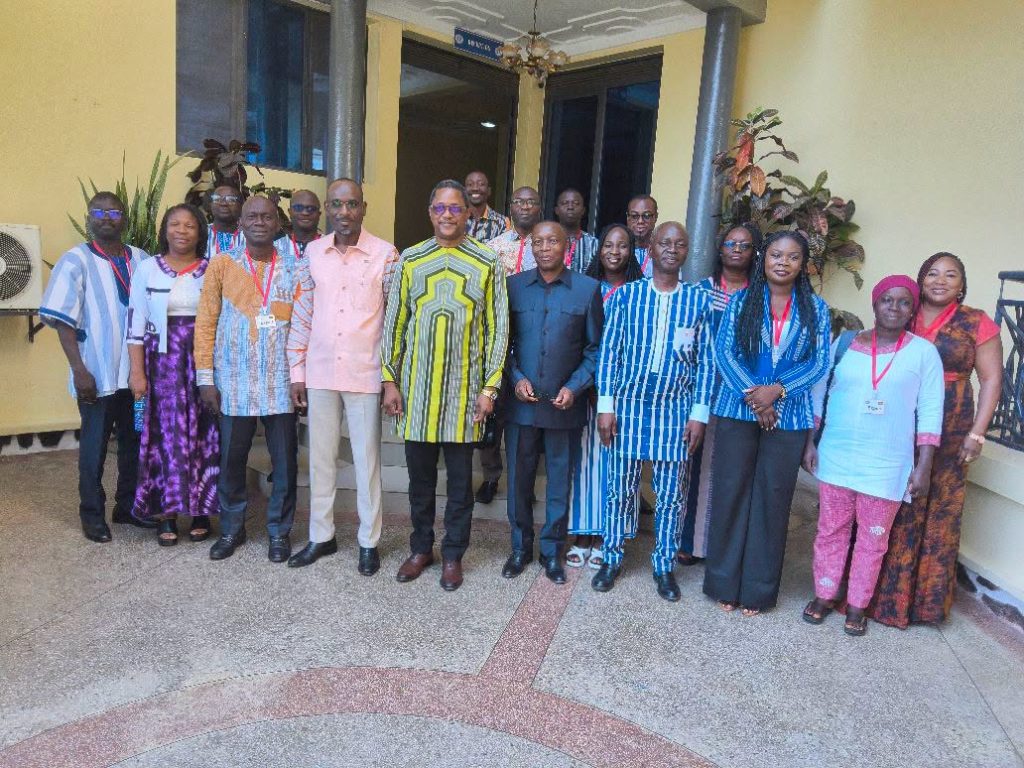
Bujumbura hosted the maiden session of the Burkina Faso-Burundi Joint Cooperation Commission, which concluded this week with the signing of 14 bilateral accords. The agreements, finalised after days of technical negotiations, cover critical development sectors for both nations.
The instruments were officially endorsed by the foreign affairs ministers of Burkina Faso and Burundi during the closing ceremony, marking a milestone in a partnership that has spanned nearly three decades.
Key sectors covered by the new cooperation framework
The newly signed accords span multiple vital areas, including:
- Agriculture and livestock farming, aiming to boost food security and rural livelihoods
- Security and civil protection measures to strengthen regional stability
- Air services cooperation to enhance connectivity between the two nations
- Healthcare collaboration and workforce development initiatives
- Employment, labour standards, and social protection enhancements
- Youth engagement programs and sports diplomacy
- Disaster risk prevention and management systems
- Encourage economic operator exchanges and business partnerships
- Promote two-way investments and trade flows
- Develop private sector collaborations across key industries
- Showcase investment opportunities in Burkina Faso and Burundi
Additionally, the agreements include provisions for mutual recognition of driver’s licenses and technical-vocational education exchanges.
Easing travel between Burkina Faso and Burundi
A significant breakthrough came with the decision to waive visa requirements for citizens holding diplomatic, service, or ordinary passports. This move is expected to facilitate official exchanges and strengthen people-to-people ties between the two countries.
South-South cooperation takes centre stage
Both nations reaffirmed their commitment to deepening South-South cooperation, with a particular focus on economic exchanges and reciprocal investments. The frameworks signed aim to:
Foreign ministers from both countries emphasised that these accords represent a starting point rather than an endpoint. They called for swift implementation through dedicated sectoral committees to translate policy into tangible results.
Leadership visions driving the partnership
The initiative aligns with the strategic vision of Burkina Faso’s President Ibrahim Traoré and Burundi’s President Évariste Ndayishimiye. Both leaders have underscored the importance of regional integration, mutual trust, and sustainable peace in fostering development.
The Burkinabè Foreign Minister, Karamoko Jean Marie Traoré, stressed the need for relentless follow-up:
« Today’s signings mark the beginning of a journey, not its culmination. We must translate these legal instruments into actionable programs that deliver real benefits to our citizens. »
Echoing this sentiment, Burundi’s Foreign Minister, Édouard Bizimana, highlighted the potential of South-South cooperation to unlock economic opportunities:
« Our shared future lies in strengthening economic ties, attracting investments, and building bridges between our private sectors. »
Next steps: From agreements to impact
The two governments have agreed to expedite the establishment of sector-specific committees tasked with overseeing the implementation of the signed accords. These bodies will ensure accountability and measure progress toward shared goals.
The Burkina Faso-Burundi partnership now stands as a model for South-South collaboration, rooted in solidarity, mutual respect, and a shared commitment to progress.
You may also like
As donor fatigue spreads, can Benin’s €544,042 UNAIDS pledge keep the HIV response on track?
Who pays the price when Burkina Faso’s public payroll contracts? Households weigh the cost of 1,917 fewer agents
Libya pushes for direct Tripoli-Yaoundé flights as Cameroon sets up working groups
JNIM seizes three Burkinabè positions in a single day as Traoré’s security record faces hard questions
Chad condemns Ennedi-East airstrikes at un general assembly, warns of retaliation