The arrest of former Niger police inspector Habibou Oumarou Mamane—better known as “The Rebel”—alongside ten others has sent shockwaves through the region. Just days before his detention on November 3, 2026, he delivered a televised testimony on Niger’s public broadcaster outlining alleged destabilization operations. His claims, which implicated actors in exile and individuals linked to Beninese intelligence, have intensified regional tensions.
But what lies beneath this high-profile case? The substance of Habibou Oumarou Mamane’s testimony, the denials that followed, and an unfolding judicial procedure point to deeper dynamics—ones that could redefine the fragile relationship between Niamey and Cotonou.
Behind the headlines: decoding Habibou Oumarou Mamane’s explosive testimony
The October 23, 2026 television appearance of the former police officer on Niger’s public broadcaster wasn’t just a personal statement—it was a turning point. During the broadcast, he alleged the existence of covert networks aiming to undermine Niger’s stability through foreign-backed operations. He specifically referenced contacts with figures he claimed were tied to Beninese intelligence services.
Among the most striking assertions was Habibou Oumarou Mamane’s claim that he had been asked to assist in locating Lieutenant-Colonel Pascal Tigri, a Beninese military officer. He further suggested that Nigerian exiles were actively participating in what he described as “preparations for regime destabilization.” These revelations immediately raised concerns about transnational destabilization efforts.
It’s important to note, however, that these statements remain unverified and are presented as personal testimony. While aired on a national television network, they do not constitute judicial proof or confirm any official involvement by the Beninese government. The gap between public claims and institutional accountability remains a critical question in this unfolding case.
The role of Ange Chekaraou and the contested narratives
Among those named in Habibou Oumarou Mamane’s testimony is Ange Chekaraou, a figure whose public denials have added further complexity.
In a clear statement, Ange Chekaraou rejected any connection to the alleged destabilization plots described by the former police officer. His outright denial introduces a layer of contradiction: if the accusations lack consensus even among those implicated, how can they be treated as established facts?
This discrepancy underscores a fundamental principle: until judicial investigations yield conclusive evidence, all claims—no matter how prominently aired—remain allegations. The presumption of innocence applies not only to those detained but also to individuals named publicly in testimonies.
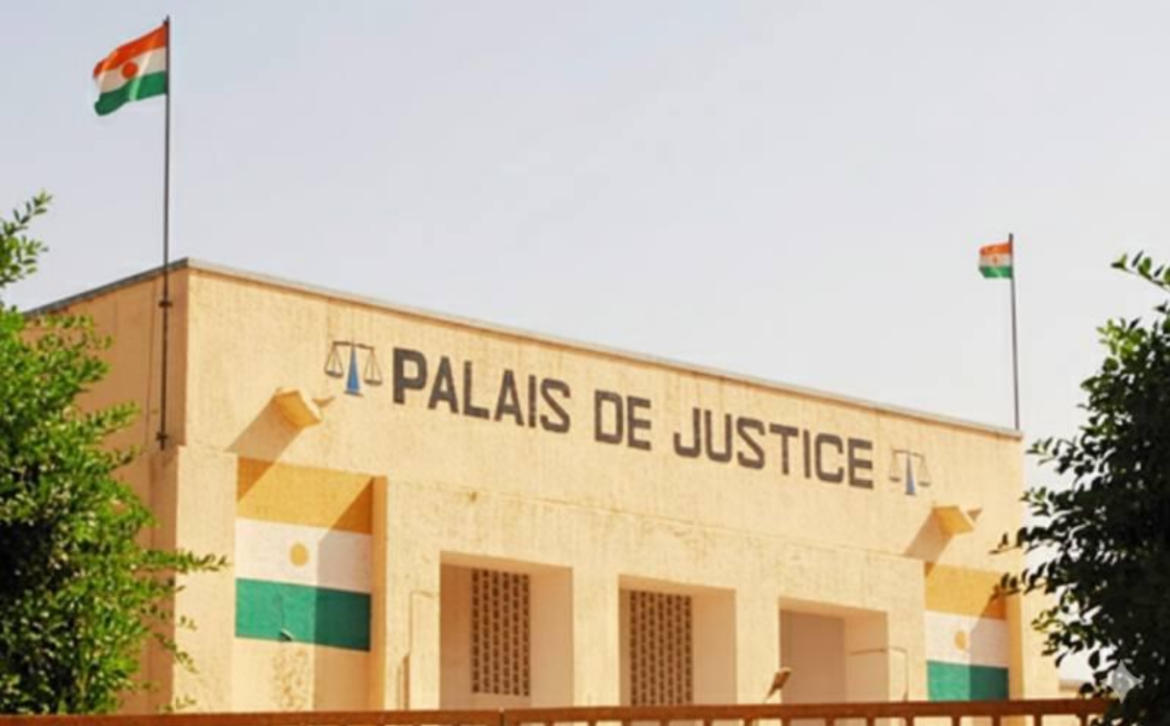
Eleven detainees, zero convictions: what does the mandate of detention really mean?
The judicial decision to place Habibou Oumarou Mamane and his ten co-accused under pretrial detention marks a procedural milestone. But it is not a verdict of guilt. It reflects a judge’s assessment that there is sufficient risk of collusion, tampering, or flight to justify confinement during investigations.
Yet behind this legal move lie unanswered questions. What specific charges are being investigated? Are Habibou Oumarou Mamane’s claims supported by independent evidence? Do communications or financial trails exist that link the accused to foreign operatives? Without transparent disclosures, these remain open points of contention.
What is clear is that the mandate of detention does not resolve the mystery. It prolongs it—while signaling that authorities consider the case sensitive enough to require custodial measures.
Why is Benin at the center of this geopolitical puzzle?
Benin’s presence in this case stems solely from the narrative presented in Habibou Oumarou Mamane’s televised interview. His claim that certain interlocutors were linked to Beninese intelligence agencies places Cotonou in a delicate position—especially given the strained diplomatic context between the two countries.Relations between Niger and Benin have been deteriorating for months, marked by mutual accusations of harboring dissidents and interfering in internal affairs.
In such a climate, even unverified claims gain outsized significance. They risk becoming catalysts for diplomatic escalation, regardless of their factual basis. The challenge now is to prevent speculation from overtaking substance—and to allow due process to unfold without external pressure.
The legal labyrinth: what comes next in the investigation?
As judicial proceedings advance, several potential outcomes emerge. Investigators may gather digital evidence, financial records, or testimonies that corroborate or refute Habibou Oumarou Mamane’s account. Alternatively, the case may stall due to lack of verifiable leads, forcing authorities to reassess the strength of the allegations.
What is certain is that the proceedings will become a test of institutional transparency. Will the courts provide clear explanations for the detention of the eleven individuals? Will the testimonies aired on national television be validated or disproven by documentary evidence? The answers will shape public trust—and potentially, diplomatic stability.
Until then, Niger and Benin remain locked in a waiting game—one in which unanswered questions may weigh heavier than verified facts.