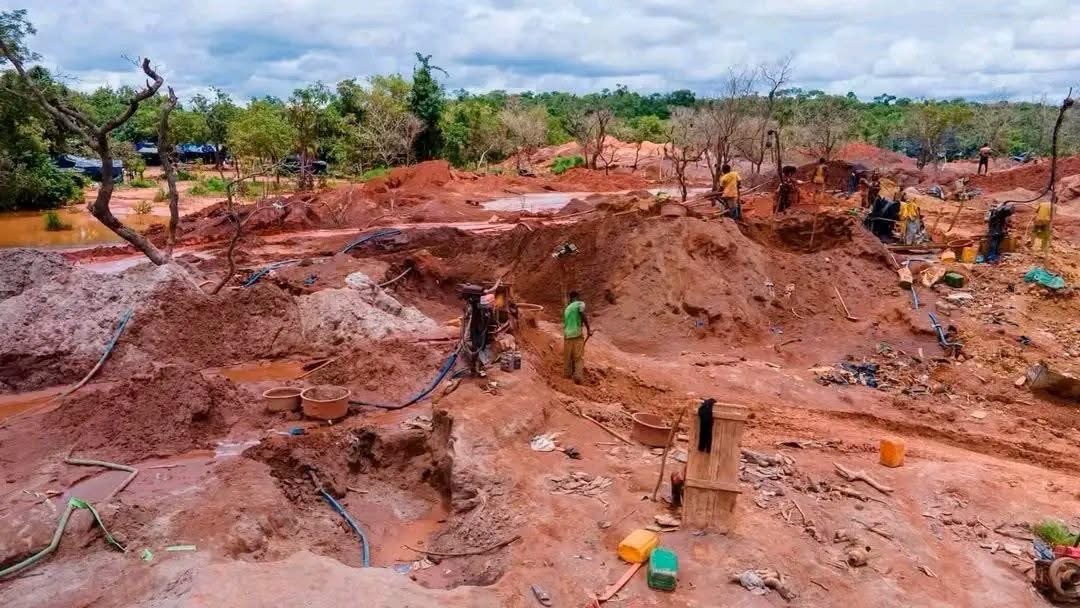
Illegal gold mining across West Africa has evolved from a localized issue into a regional environmental crisis, driven by economic desperation and regulatory gaps. As Burkinabè miners traverse borders to extract gold without permits or oversight, the consequences extend far beyond national frontiers. The environmental degradation left in their wake including poisoned water sources, deforested hillsides, and abandoned toxic pits disproportionately affects rural communities that rely on fragile ecosystems for survival.
This pattern raises a critical question: what happens when profit motives override ecological responsibility? The damage caused by clandestine mining operations is not confined to border regions; it erodes public trust, strains diplomatic relations, and undermines long-term sustainability for entire nations. When foreign governments respond with expulsions or penalties, the response from home nations often defaults to defensiveness rather than reflection. Yet this reaction overlooks a fundamental truth: environmental harm, wherever it occurs, demands accountability.
Behind the rush: understanding the drivers of transnational mining
The surge in Burkinabè miners operating in neighboring countries stems from a convergence of factors. Local gold deposits in Burkina Faso are increasingly depleted or controlled by large-scale industrial operations, pushing artisanal miners to seek opportunities across borders. Weak enforcement of mining laws in destination countries coupled with high gold prices makes illicit extraction a lucrative but unsustainable option.
Economic pressures alone do not fully explain this phenomenon. Cultural familiarity with mining techniques and existing networks across borders facilitate mobility. However, the absence of coordinated regional policies to regulate artisanal mining creates a legal vacuum that traffickers and opportunists exploit. Without clear consequences, the cycle of environmental damage and social disruption continues unchecked.
From denial to deterrence: the role of Burkina Faso’s government
When Burkinabè miners face expulsion after being caught mining illegally abroad, national discourse often shifts to national pride or victimization. While diplomatic protection is a legitimate state responsibility, it should not overshadow the harm caused. Governments must recognize that shielding citizens from accountability abroad risks undermining their own environmental policies at home.
A more constructive approach would involve internalizing the lessons of cross-border damage. If citizens are expelled for violating environmental laws in Ivory Coast, for instance, how can the same individuals be encouraged to comply with Burkina Faso’s own regulations? The double standard is evident: Burkinabè lands are valued, but those of neighboring states are treated as disposable.
This inconsistency sends a dangerous message. It implies that environmental protection is negotiable acceptable in some territories but not others. Such a stance not only weakens regional solidarity but also increases the likelihood that similar practices could take root within Burkina Faso.
What if the tables were turned?
The argument for environmental responsibility gains clarity when inverted. Suppose Burkinabè farmers returned home to find their fields poisoned by illegal miners from another country. Would they accept excuses rooted in economic hardship or cultural practice? Unlikely. The principle of ecological equity demands that every nation regardless of size or wealth enforce consistent standards of land stewardship.
Unregulated mining poisons water tables, affecting thousands of households that depend on safe drinking water.
Soil erosion and deforestation reduce agricultural productivity, threatening food security in vulnerable areas.
Abandoned mining pits become death traps for livestock and children, posing long-term safety hazards.
Toxic chemical runoff (including mercury and cyanide) enters rivers, contaminating fish stocks and undermining public health.
These are not theoretical risks they are documented consequences of clandestine mining documented in multiple countries. To deny this reality while defending illegal practices elsewhere is a contradiction that erodes both credibility and sovereignty.
Moving from rhetoric to regional action
The solution to this challenge lies not in confrontation but in cooperation. Burkina Faso, as a regional leader, can champion policies that prioritize both economic opportunity and environmental integrity. Key steps include:
Strengthening domestic artisanal mining regulations to provide legal alternatives for displaced miners.
Negotiating bilateral agreements with neighboring countries to formalize safe, regulated mining practices and joint monitoring systems.
Implementing education campaigns targeting miners about the long-term costs of environmental degradation and their legal obligations abroad.
Investing in community-led alternatives such as certified gold cooperatives that offer fair wages and sustainable extraction methods.
The goal is not to criminalize individuals, but to dismantle the systems that enable environmental destruction. Responsibility begins at home. If Burkina Faso aims to protect its own lands from illicit exploitation, it must first ensure that its citizens are not contributing to the same harm abroad.
The mirror principle: protecting neighbors today to safeguard ourselves tomorrow
Environmental degradation respects no borders. A river polluted in Senegal or a forest cleared in Togo ultimately affects Burkina Faso’s climate, water cycles, and food systems. The logic of solidarity is clear: nations that fail to uphold ecological standards wherever they operate risk facing the same consequences they inflict on others.
The real injustice is not the expulsion of miners, but the continued tolerance of a system that allows land to be treated as a commodity rather than a shared heritage. Until Burkina Faso addresses the root causes of illegal mining within its own borders and holds its citizens accountable for actions abroad the cycle of environmental damage will persist.
The time has come to move beyond defense mechanisms and embrace a future where national pride and environmental stewardship are not mutually exclusive. The protection of land, water, and community is not a negotiable privilege it is a universal right.
By Pierre Tchuente — Journalist