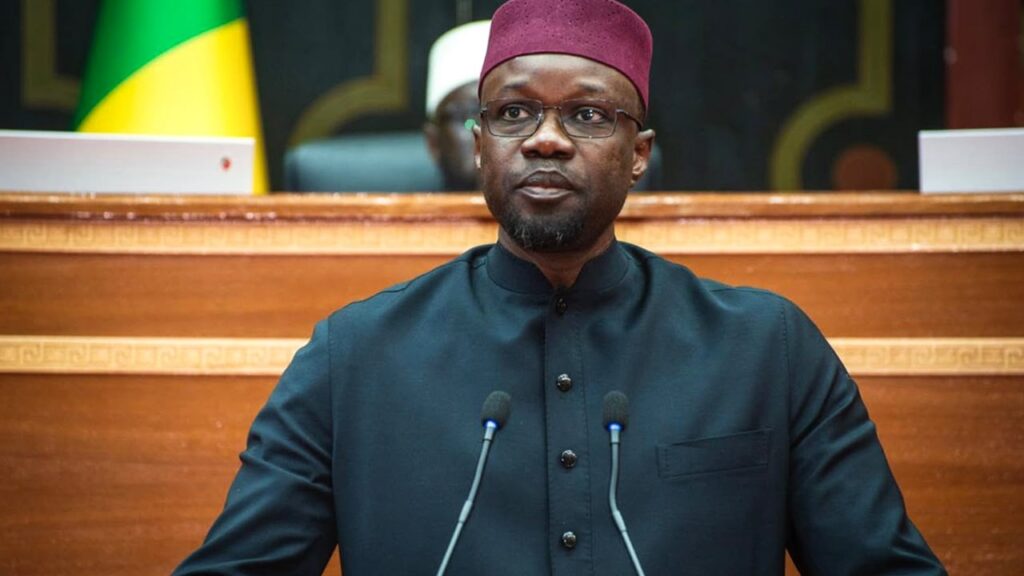
In a striking political development in Senegal, two key figures from opposing camps have found common ground in addressing the growing issue of electoral migration, or transhumance politique. Ousmane Sonko, leader of the Pastef movement, and representatives of the APR party, led by former President Macky Sall, have demonstrated an unprecedented willingness to collaborate on legislative measures to curb this phenomenon.

Why the sudden cooperation?
The alliance between Pastef and the APR marks a notable departure from their typically adversarial positions. Both sides have traditionally clashed over governance, policy, and political strategy. However, the issue of electoral migration has emerged as a critical concern, prompting a rare moment of bipartisan consensus.
The term transhumance politique refers to the practice of politicians switching allegiances between parties, often driven by personal or strategic motives. This practice has intensified in recent years, raising concerns about its impact on electoral integrity and political stability in Senegal.
Key figures driving the change
The collaboration is spearheaded by two prominent figures: Ousmane Sonko, the charismatic leader of Pastef, and Bassirou Diomaye Faye, a rising star in the party and close ally of Sonko. On the opposing side, former President Macky Sall and his APR party have also signaled their support for legislative action against electoral migration.
- Ousmane Sonko: Known for his vocal criticism of political opportunism, Sonko has long advocated for stricter regulations on party-switching. His alignment with the APR on this issue underscores the urgency he places on addressing the problem.
- Bassirou Diomaye Faye: As a key strategist within Pastef, Faye has played a pivotal role in shaping the party’s stance on electoral integrity. His involvement in the discussions highlights the importance of this issue to the movement.
- Macky Sall: The former president and leader of the APR has recognized the need for reform, particularly in light of recent controversies surrounding party defections.
Legislative efforts to curb electoral migration
Discussions between Pastef and the APR have centered on potential legislative reforms aimed at discouraging electoral migration. Proposed measures include stricter penalties for politicians who switch parties, mandatory cooling-off periods before joining a new party, and enhanced transparency in political affiliations.
The urgency of these reforms is underscored by recent high-profile defections, which have disrupted the political landscape and eroded public trust. Both parties agree that unchecked electoral migration poses a threat to democratic stability in Senegal.
Challenges ahead
Despite the newfound cooperation, significant challenges remain. Political factions within both Pastef and the APR hold divergent views on the scope and enforcement of the proposed reforms. Additionally, the broader political establishment may resist changes that could limit their flexibility in navigating electoral alliances.
Nevertheless, the alliance between these two influential groups signals a potential turning point in Senegal’s political landscape. If successful, the reforms could set a precedent for other nations grappling with similar issues of electoral migration.
You may also like
As donor fatigue spreads, can Benin’s €544,042 UNAIDS pledge keep the HIV response on track?
Who pays the price when Burkina Faso’s public payroll contracts? Households weigh the cost of 1,917 fewer agents
Libya pushes for direct Tripoli-Yaoundé flights as Cameroon sets up working groups
JNIM seizes three Burkinabè positions in a single day as Traoré’s security record faces hard questions
Chad condemns Ennedi-East airstrikes at un general assembly, warns of retaliation