
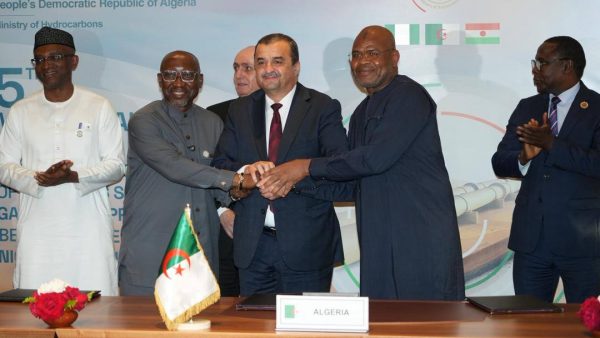
Algiers, June 4, 2026 — A pivotal moment has arrived for Africa’s energy future. Following years of anticipation, the trans-Saharan gas pipeline (TSGP) project has cleared a decisive hurdle. On Wednesday, officials from Niger, Algeria, and Nigeria convened in Algiers to endorse the updated feasibility study for this colossal energy infrastructure, signaling their shared commitment to fast-tracking its implementation.
The 4,128-kilometer pipeline aims to transport Nigerian natural gas across Niger before reaching Algeria, where it would be exported to European and global markets. For the three partner nations, this initiative stands as one of the continent’s most transformative energy ventures, promising far-reaching economic and geopolitical implications.
a continental game-changer in energy supply
The endorsement of the feasibility study marks a turning point for a project long shaped by shifting global energy dynamics. As demand for new gas sources intensifies, the TSGP emerges as a strategic solution to bolster Africa’s position in the international energy landscape. Beyond its primary function, the pipeline is expected to unlock economic opportunities across the Sahel, fostering job creation, attracting foreign investment, and catalyzing the development of complementary infrastructure.
The governments of Niger, Algeria, and Nigeria have emphasized that this project could serve as a cornerstone for regional integration, strengthening economic ties and reinforcing energy security across West Africa.
strengthening regional cooperation for execution
With the feasibility study now validated, the three nations have pledged to intensify coordination between their national hydrocarbon companies. This collaborative effort is deemed essential to ensuring the project’s financial viability and operational success. Algeria has taken a decisive step forward by initiating construction on its segment of the pipeline, underscoring the country’s determination to advance this strategic initiative forward.
This move aligns with Algeria’s broader ambition to solidify its role as a key energy supplier to Europe, particularly as global markets seek diversified and reliable gas sources.
Niger’s strategic stake in the pipeline
For landlocked Niger, positioned at the heart of the pipeline’s route, this project represents an unparalleled opportunity to elevate its geostrategic significance. Beyond revenue generation through transit fees, the initiative could spur growth in Niger’s domestic energy sector while enhancing critical infrastructure networks.
In a region undergoing rapid economic and diplomatic shifts, Niamey views this tripartite partnership as a vehicle for economic sovereignty and deeper regional integration. The challenge ahead lies in translating this technical milestone into tangible progress on the ground. While experts widely acknowledge the TSGP’s transformative potential, its success will ultimately hinge on sustained collaboration and the mobilization of necessary investments by all three nations.
If executed as planned, this ambitious project could redefine Africa’s energy landscape, serving as a catalyst for broader economic development and reinforcing the continent’s role in the global energy market.
You may also like
Elversberg vs Bayern Munich: which channel is showing the Bundesliga clash?
JOJ 2026, Diomaye appelle la jeunesse sénégalaise à porter l’image de l’Afrique
Mali: près de 80 soldats tués dans l’attaque du camp de Dioura
Côte d’Ivoire : le Burida redistribue 795,4 millions FCFA à 5 435 ayants droit
Paris FC vs Lyon: kick-off time and TV channel for the Ligue 1 matchday 4 clash