
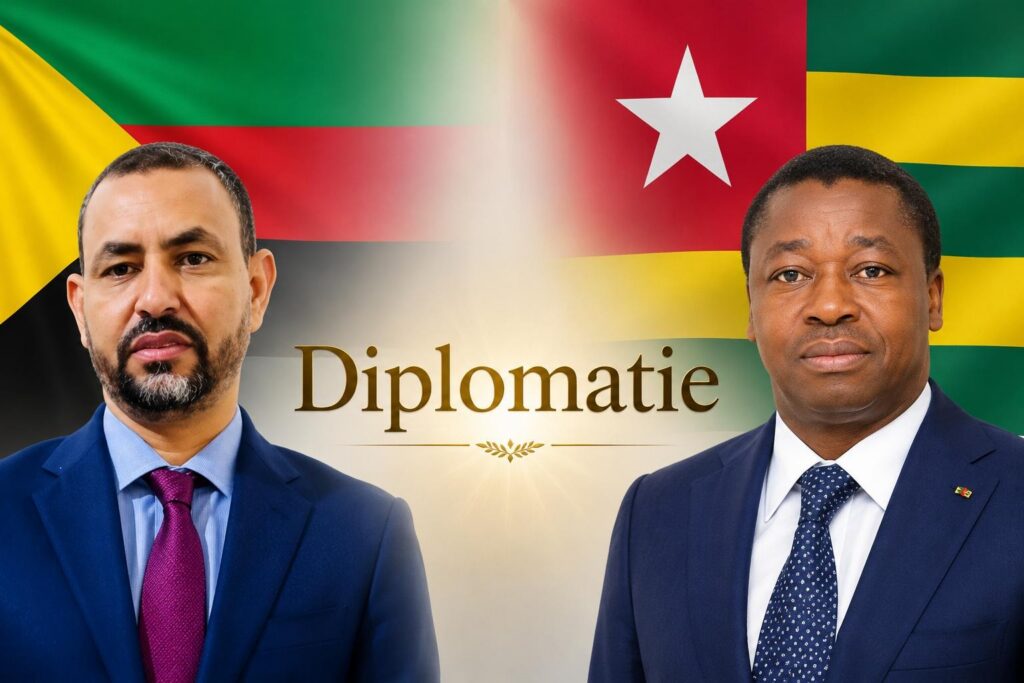
In the corridors of West African diplomacy, Lomé is on the verge of making a bold move. Authorities in Togo are preparing to formally recognize the Front de Libération de l’Azawad (FLA), a move that aligns with the country’s long-standing strategy of engaging with regional dissent movements.
FLA’s regional tour: Lomé as the diplomatic springboard
The FLA, a political and military faction challenging Bamako’s control over northern Mali, is stepping into the diplomatic spotlight. The group is set to embark on a high-stakes charm offensive across West African capitals, aiming to secure international legitimacy and break free from the isolation imposed by Mali’s transitional authorities.
The choice of Lomé as the first stop—or at least a central pivot—is no coincidence. The FLA’s envoys are seeking receptive ears to amplify their calls for autonomy or sovereignty. By agreeing to host this delegation and signaling an impending official recognition, Togo positions itself as the epicenter of a shifting geopolitical landscape.
Faure Gnassingbé’s ‘tightrope diplomacy’
For seasoned observers of Togolese politics, this move is consistent, though risky. President Faure Gnassingbé has a history of fostering alternative diplomatic channels and engaging with regional dissident forces. While neighboring leaders often prioritize rigid institutional stances, the Togolese leader prefers dialogue with challengers of the status quo.
This expected recognition of the FLA fits squarely into that approach: Togo refuses to blindly follow entrenched regional positions and instead positions itself as an indispensable intermediary, even if it means bending traditional diplomatic norms.
From AES to FLA: Lomé’s unwavering support for breakaway factions
This pragmatic—or opportunistic, critics argue—stance reached its peak during recent Sahel crises. When military coups unfolded in Mali, Burkina Faso, and Niger, the Economic Community of West African States (ECOWAS) swiftly imposed heavy sanctions and isolation policies. Togo took a different path, quickly emerging as the hub for dialogue with the Alliance of Sahel States (AES) putschists. Gnassingbé positioned himself as the preferred mediator for Bamako’s colonels and Niamey’s generals, undermining ECOWAS’ unified stance. Now, by welcoming the FLA, Lomé applies the same playbook—but this time, in favor of a group challenging Bamako’s authority. A paradox that underscores a clear pattern: Lomé aims to be the indispensable transit point for all transitions and rebellions in the subregion.
Regional repercussions: a high-stakes gamble
Togo’s imminent recognition of the FLA is poised to strain bilateral relations across West Africa. For Mali’s transitional government, hosting and legitimizing the FLA amounts to direct interference in its domestic affairs, if not outright support for territorial destabilization.
Within ECOWAS, already weakened by the Sahel states’ defiance, this Togolese initiative risks further eroding the bloc’s solidarity. By acting unilaterally, Togo signals that the region’s once-sacrosanct principles of border inviolability and non-interference are giving way to a more flexible, pragmatic geopolitical reality.
As Lomé prepares to recognize the FLA amid its regional tour, the move cements Togo’s role as West Africa’s diplomatic laboratory. Gnassingbé’s strategy is clear: anticipate fractures, engage with international outcasts, and position Lomé as a bold yet neutral mediator. The question remains whether this open-door policy to dissidents will bolster Togo’s influence or isolate it in an increasingly fragmented region.
You may also like
In Cameroon questions arise over whether billions have vanished from the safes of the Special Criminal Court
At the Ouaga 2000 arena, Benin’s Amazones etch their names in handball history
Niger’s state narrative masks internal fractures after Niamey mutiny
Niger: General Tiani faces growing unease within special forces after Russian involvement
Crise au Niger, accord FMI-Sénégal, bataille électorale au Maroc… Les 5 infos qu’il ne fallait pas manquer