
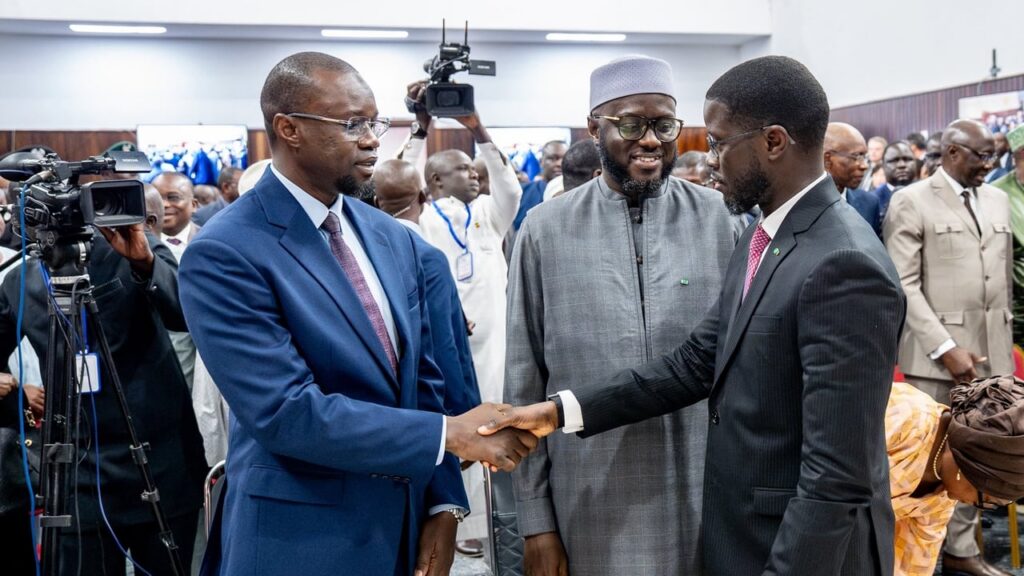
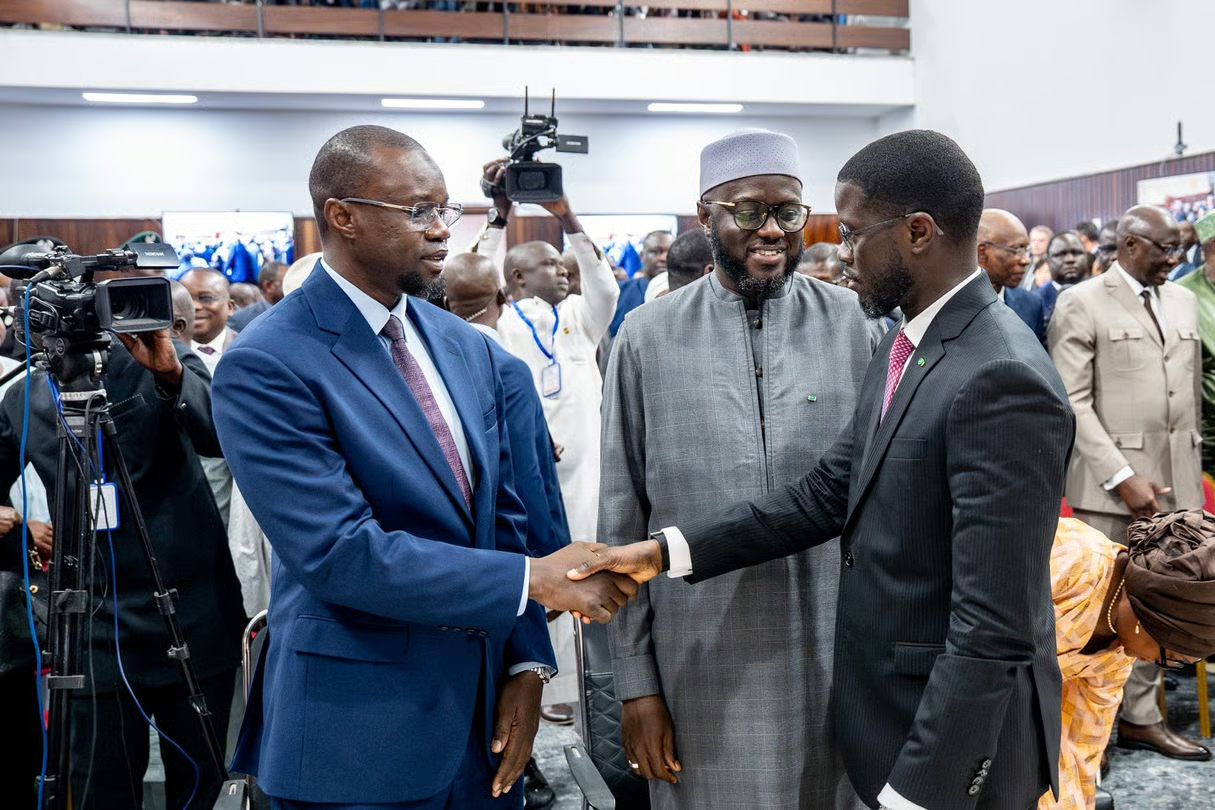
A decisive move in Senegal’s political landscape has reshaped the country’s leadership. President Bassirou Diomaye Faye terminated the mandate of Prime Minister Ousmane Sonko, marking a significant shift in governance dynamics.
This decision underscores the evolving priorities of the administration as it navigates complex domestic and regional challenges. The restructuring reflects the president’s commitment to realigning government operations with the nation’s strategic vision.
The announcement, made following an internal review, signals a new chapter in Senegalese politics. Observers highlight the need for stability as the country addresses pressing socio-economic concerns while maintaining regional cooperation.
Analysts suggest this move could influence political alliances and policy directions in the coming months. The transition period will be closely watched as stakeholders adapt to the changing environment.
Key implications of the leadership shift
- Government restructuring: The reshuffle demonstrates the president’s authority to redefine cabinet roles in line with national goals.
- Policy continuity: Despite the change, key initiatives are expected to remain on track as the administration pursues its agenda.
- Regional impact: The move may have ripple effects across West Africa, influencing diplomatic and economic engagements.
The political transition in Dakar invites questions about the future trajectory of Senegal’s governance. As the nation moves forward, the focus remains on fostering development and strengthening institutions.
You may also like
Niger’s junta faces twin crises: army mutiny and jihadist raids near Niamey
Waly Diouf Bodian rebukes Mary Teuw Niang: ‘we don’t respect those who disrespect Ousmane Sonko’
Cameroun : Samb’a Finances Holding sollicite l’agrément pour sa filiale de micro-assurance
Cameroun : les signes avant-coureurs d’une transition politique
Gabon’s economic management hindered by unreliable public data