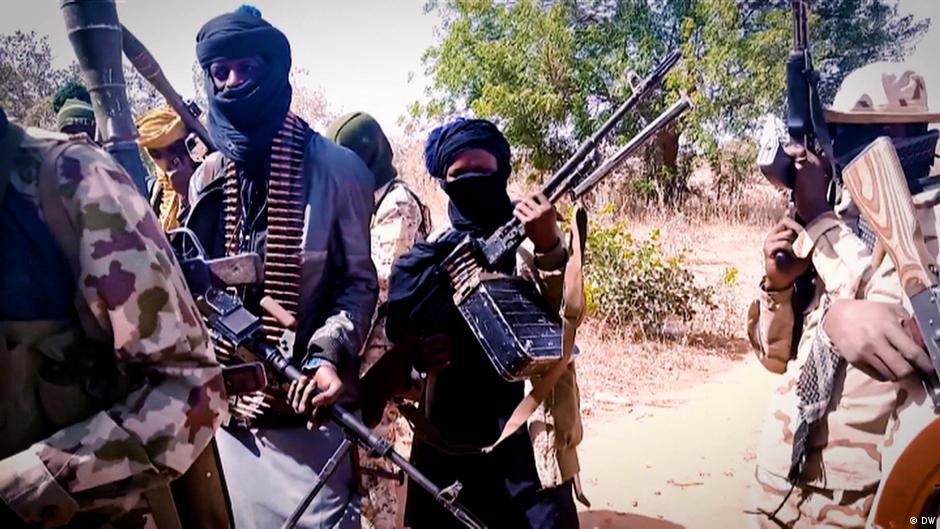
The kidnapping phenomenon has evolved into a highly structured and profitable enterprise, particularly within Nigeria, which remains the epicenter of this crisis. According to detailed security assessments, the region is witnessing the rise of a lucrative industry where human lives are traded for the resources needed to sustain a prolonged conflict.
The scale of these operations is staggering. From mid-2024 to mid-2025, over 4,700 individuals were taken captive across nearly a thousand separate incidents. These raids, which frequently target educational institutions, have resulted in hundreds of fatalities. While the violence is concentrated in northern and central Nigeria, it is driven by various armed factions, most notably Boko Haram—designated as a terrorist group a decade ago—and the Islamic State West Africa Province (ISWAP).
However, the reach of these groups extends far beyond Nigerian borders, impacting the wider West Africa Sahel. Last year, Boko Haram claimed responsibility for seizing passengers from a bus in Ziguagé, located in the Far North of Cameroon. More recently, in March, the group abducted seven Chadian nationals near the border in Niger. Tragically, one hostage was killed, while the others remain in captivity, highlighting the ongoing volatility in Sahel breaking news.
The dual purpose of mass kidnappings
These mass abductions serve two critical functions for insurgent groups. First, they facilitate forced recruitment, where young men and women are pressed into service as combatants, manual labor, or victims of sexual slavery. Second, there is a massive economic incentive. Ransoms, often demanded in millions of naira or CFA francs, are extracted from desperate families, communities, and occasionally, state actors.
For instance, in the case of the abducted Chadians, militants demanded 50 million CFA francs for five individuals. A sixth hostage, a doctor, commanded a staggering price tag of 500 million CFA francs. This predatory pricing underscores the professionalization of the kidnapping trade in the region.
Government denials versus the reality of payments
While the official stance in Nigeria is to refuse ransom payments to avoid fueling terrorism, the reality on the ground appears different. A 2022 law criminalizes paying ransoms with up to 15 years in prison, yet the legislation is rarely enforced against grieving families. Furthermore, there are persistent suspicions that the authorities themselves engage in these transactions.
In November 2025, the government faced allegations of paying for the release of 230 students and staff from a school in Niger State. While official statements attribute the rescue to intelligence and military precision, several reports suggest that significant sums—ranging from 1.3 million to 6 million euros—were delivered in cash via helicopter to a Boko Haram leader in Borno State. Such payments are often kept secret to prevent providing propaganda victories to the insurgents, especially amid international pressure regarding the protection of vulnerable communities.
The strategic depth of the Lake Chad Basin
Boko Haram’s roots go back to 2002 in Maiduguri, Borno State, where Mohammed Yusuf sought to establish a radical Islamic state. The name itself, meaning “Western education is a sin,” reflects a total rejection of outside cultural influences. From this base, the movement expanded into a regional menace, embedding itself across the Lake Chad Basin.
This geography is vital to their survival. The basin is a porous, cross-border zone with weak state presence and deep connections to the broader Sahel. Its proximity to Libya provides a conduit for weapons and personnel. Additionally, the difficult terrain—comprising islands, marshes, and dense forests—offers a natural fortress for groups to regroup when military pressure intensifies. This area is also an economic hub for agriculture and livestock, providing a local economy that the militants can exploit.
Internal rivalries and the rise of ISWAP
The emergence of ISWAP in 2016 marked a significant turning point in Sahel politics today. Born from a rift over the extreme tactics of Abubakar Shekau, ISWAP aligned itself with the Islamic State. Unlike the original Boko Haram, which often targeted Muslim civilians indiscriminately, ISWAP has attempted to build more stable relationships with local populations. This rivalry has turned the Lake Chad Basin into a theater for a violent fratricidal war between the two factions.
Regional and international military efforts
Efforts to combat this insurgency involve both local and international cooperation. The Multinational Joint Task Force (MNJTF) represents a collective military response from the four affected nations. Beyond the battlefield, a regional stabilization strategy aims to restore state authority and promote development in neglected communities. For those following Mali Niger Burkina news English, the parallels in counter-insurgency challenges are clear.
Despite these efforts, the insurgency has claimed over 40,000 lives and displaced two million people since 2009. To bolster the fight, the United States has deployed roughly 200 soldiers to assist in training Nigerian forces. As the war continues, the resilience and adaptability of these groups remain a primary concern for the security of the Sahel Express news region.