tensions in eastern DRC: Nangaa and Kabila’s ambitions spark divisions in AFC/M23
- Politics
The latest United Nations expert report on the Democratic Republic of the Congo (DRC) has exposed deepening rifts within the Alliance of the Congo River/Movement of March 23 (AFC/M23), a rebel group active in North Kivu and South Kivu. According to the document, which was submitted to the UN Security Council, the group’s leadership is increasingly divided over military expansion, resource distribution, and political ambitions.
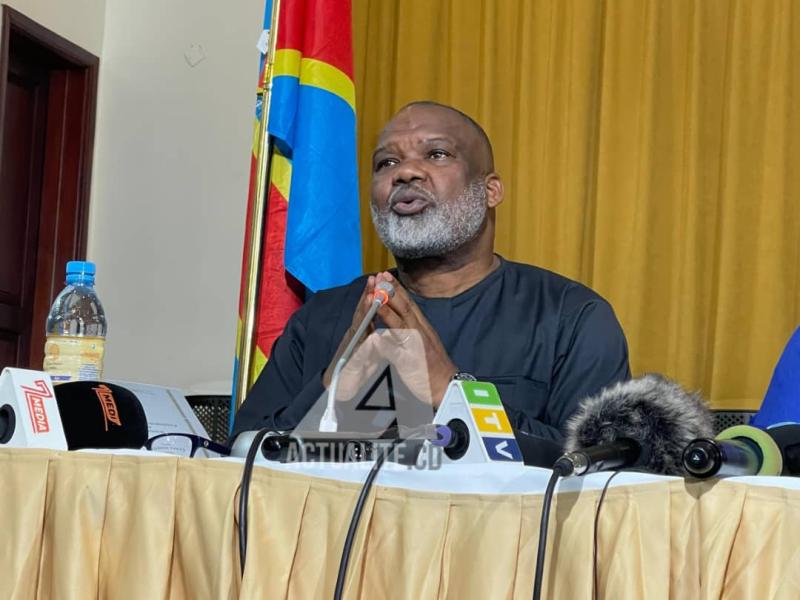
The report highlights that while figures like Corneille Nangaa—former head of the DRC’s Independent National Electoral Commission—and former President Joseph Kabila have expressed ambitions to influence politics in Kinshasa, many within the M23’s military wing oppose any expansion beyond their current operational zones. These internal disagreements have been exacerbated by disputes over control of valuable resources in the mineral-rich eastern provinces.
Military leadership and external influence
The report underscores that despite challenges to his authority, General Sultani Makenga continues to hold the top military command of the AFC/M23. However, his leadership is contested both within the movement and by Rwanda, which has historically supported the group. Meanwhile, Bertrand Bisimwa and Nangaa retain political control, with both receiving strategic guidance and logistical support from Rwandan authorities and intelligence services.
Zones of control and fighting force
The territory under AFC/M23 control has been divided into three defense zones, each led by a senior commander:
- General Baudoin Ngaruye: Covers Nyiragongo, Rutshuru, and Lubero
- Brigadier General Justin Gacheri Musanga: Covers Masisi and Walikale
- General Innocent Byamungu: Covers South Kivu
The group’s fighting force is estimated at around 30,000 combatants, composed of former members of the National Congress for the Defense of the People (CNDP), original M23 fighters, and new recruits mobilized since 2021—many from the Rwandan diaspora and refugee camps. The report also notes that the ranks have been bolstered by captured or defected Congolese soldiers, police officers, and local defense units, particularly after the fall of Goma.
Ongoing instability and failed negotiations
This internal discord comes amid escalating insecurity and humanitarian crises in eastern DRC, despite the existence of the Washington Agreement and ongoing mediation efforts. Tensions between Kinshasa and Kigali persist, with both sides interpreting the agreement differently, complicating its implementation nearly a year after its signing. Similarly, the Doha Process, led by Qatar, has seen little progress, with Kinshasa and the AFC/M23-backed rebellion failing to bridge key differences during negotiations in Montreux, Switzerland.
The report warns that unaddressed grievances and shifting alliances within the AFC/M23 could further destabilize the region, while stalled diplomatic efforts leave civilians increasingly vulnerable to violence and displacement.