Gabon’s Woleu-Ntem: a new model for territorial development
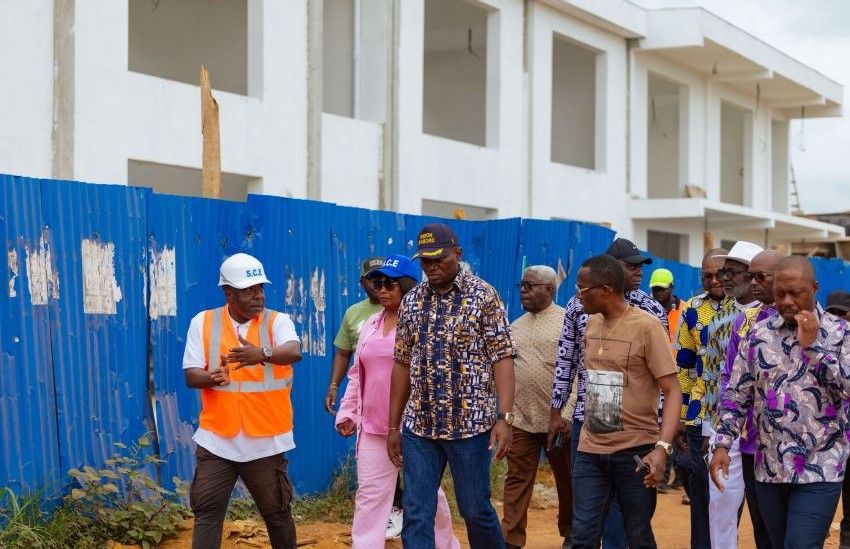
Libreville, Saturday July 11, 2026 – Presidential tours in Africa often serve as political communication exercises. However, the ongoing visit by Gabonese President Brice Clotaire Oligui Nguema to the Woleu-Ntem province appears to pursue a far more ambitious agenda.
The President’s three-day itinerary from Minvoul to Oyem is not merely symbolic. It represents a deliberate shift in national development strategy, placing long-neglected regions at the heart of Gabon’s economic future. Roads, schools, agricultural projects, and healthcare facilities are being revitalized, signaling a new era in territorial planning for the country.
This approach goes beyond ribbon-cutting ceremonies. It reflects a fundamental rethinking of how Gabon can achieve balanced growth by investing in its own provinces rather than relying solely on urban centers. The Woleu-Ntem region, a landlocked area bordering Cameroon and Equatorial Guinea, has long suffered from underdevelopment despite its strategic potential.
Rebuilding through infrastructure and regional integration
The President’s focus on the road linking Gabon to Cameroon is no coincidence. In modern economies, infrastructure is more than just a means of travel—it shapes trade flows, investment opportunities, and even regional geopolitical dynamics. By prioritizing this corridor, Gabon is positioning itself to benefit from Central Africa’s evolving economic landscape, particularly as the African Continental Free Trade Area reshapes continental commerce.
An equally significant gesture was President Oligui Nguema’s decision to spend the night in Minvoul. This symbolic act underscores a commitment to ensuring no part of Gabon is left behind in the nation’s development. It sends a clear message: every province, no matter how remote, is integral to the country’s progress.
Agriculture and human capital: the pillars of economic sovereignty
Another key highlight of this tour is the renewed emphasis on agriculture. The inauguration of the Oyem agricultural complex and the training of 240 young farmers mark a departure from Gabon’s traditional reliance on oil and raw material exports. The initiative aims not only to create jobs but to cultivate a new generation of rural entrepreneurs capable of strengthening the country’s food security.
The partnership between ACM Exploitation, the Local Community Development Fund, and the Ministry of Agriculture highlights a growing trend in African public policy: extractive industries are increasingly expected to contribute directly to the development of the regions where they operate. The visit to an agropisciculture farm near Oyem further illustrates this integrated approach, combining sustainable job creation with reduced dependence on food imports.
Governance in action: from promises to tangible results
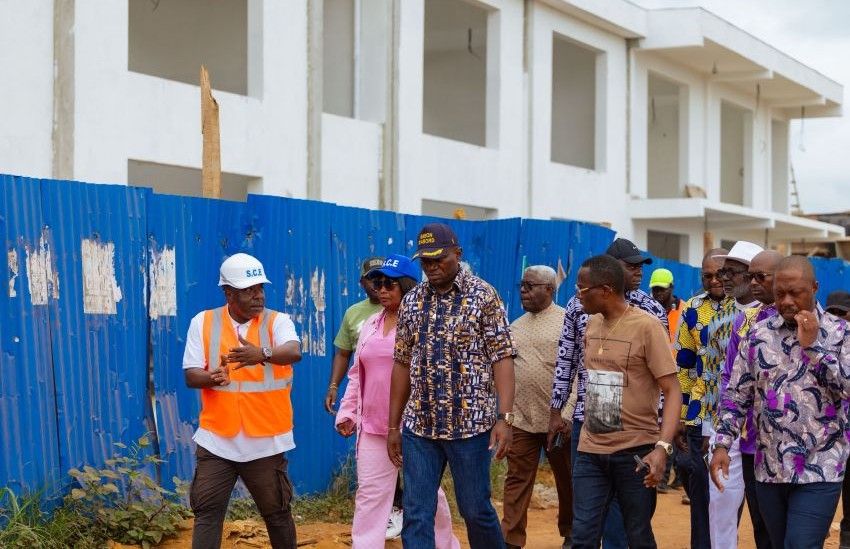
The President’s hands-on approach—visiting construction sites, inspecting technical progress, and making real-time decisions—reflects a broader transformation in Gabonese governance. Projects like the Minvoul hospital, the Gouéma municipal market, the Mvett Palace rehabilitation, and modern housing for village chiefs are all part of a coordinated effort to balance economic growth with social cohesion and human capital development.
Educational infrastructure is also a priority. The Manfred Mendame Ndong teacher training center and the Nkum Yenguï high school, equipped with digital labs and science facilities, demonstrate a forward-looking vision to prepare Gabon’s workforce for future challenges. Even the symbolic gesture of providing housing to village chiefs reinforces the importance of strengthening local governance and state presence in remote areas.
The true test for Gabon lies ahead: transforming these ambitious plans into measurable, lasting results. Can this new territorial model truly redefine the country’s economic and social trajectory? The Woleu-Ntem experiment may hold the answer.