CRP/FRP of Thomas Lubanga struggles to gain support in Ituri amid no M23 alliance
The Convention for Popular Revolution/Forces for Popular Revolution (CRP/FRP), led by Thomas Lubanga—a convicted war criminal released from ICC custody in 2020—continues to face isolation in eastern Democratic Republic of the Congo (DRC). According to the latest United Nations Group of Experts report on the DRC, the movement has yet to establish any formal ties with the March 23 Movement (M23), despite Lubanga’s public endorsement of the group in July 2025.
Internal fractures weaken CRP/FRP’s position
The CRP/FRP, created in January 2025, remains a fragmented entity. Its leadership—comprising former warlords, political figures, and local leaders from Ituri—has seen significant defections, including from key figures like Lobho Gokpa Justin, a former FARDC colonel who once led the group. Most of its members operate from exile in Uganda, where some have registered as refugees.
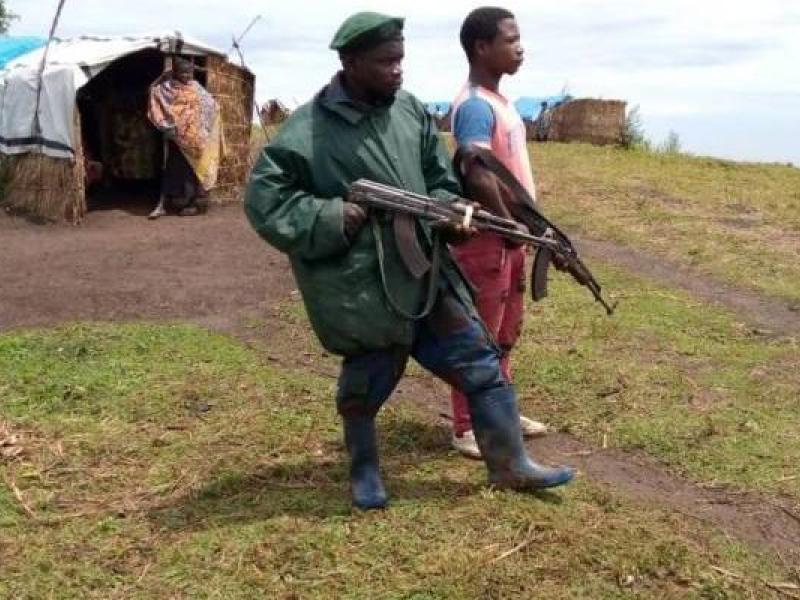
The movement’s recruitment strategy has relied heavily on the Hema community, with some fighters drawn from former Zaïre rebel factions. Recent figures suggest its ranks have grown from around 300 combatants in late 2025 to nearly 1,000 in mid-2026. However, efforts to expand beyond its traditional base have yielded limited success. Attempts to recruit Lendu youth, for instance, have largely failed.
Failed outreach to armed groups and communities
Despite aligning rhetorically with the M23, the CRP/FRP has not secured any operational cooperation with the movement. The report highlights that Lubanga’s public support for the M23 was a strategic move to avoid regional isolation, but no tangible collaboration has materialized.
The CRP/FRP’s inability to rally broader support among other armed factions or local communities in Ituri underscores its weakened position. The group’s rhetoric—condemning corruption, mismanagement, and human rights abuses—has not translated into tangible influence. Meanwhile, Lubanga’s controversial past, including his ICC conviction for war crimes involving child soldiers, continues to overshadow the movement’s legitimacy.
Thomas Lubanga’s contested legacy
Lubanga, who served 14 years in prison before his 2020 release, has attempted to rebrand himself as a peace advocate. He was part of a presidential task force aimed at dissuading Ituri’s population from joining armed groups, but these efforts yielded little success. His political ambitions, including an annulled bid for an Ituri parliamentary seat, further highlight the movement’s lack of traction.
The CRP/FRP’s failure to gain meaningful support reflects deeper challenges in eastern DRC, where armed groups vie for influence amid chronic instability. With no clear path to consolidation, the movement remains a marginal player in the region’s volatile security landscape.