Sonelgaz-International expands footprint with 40 MW power plant in Chad
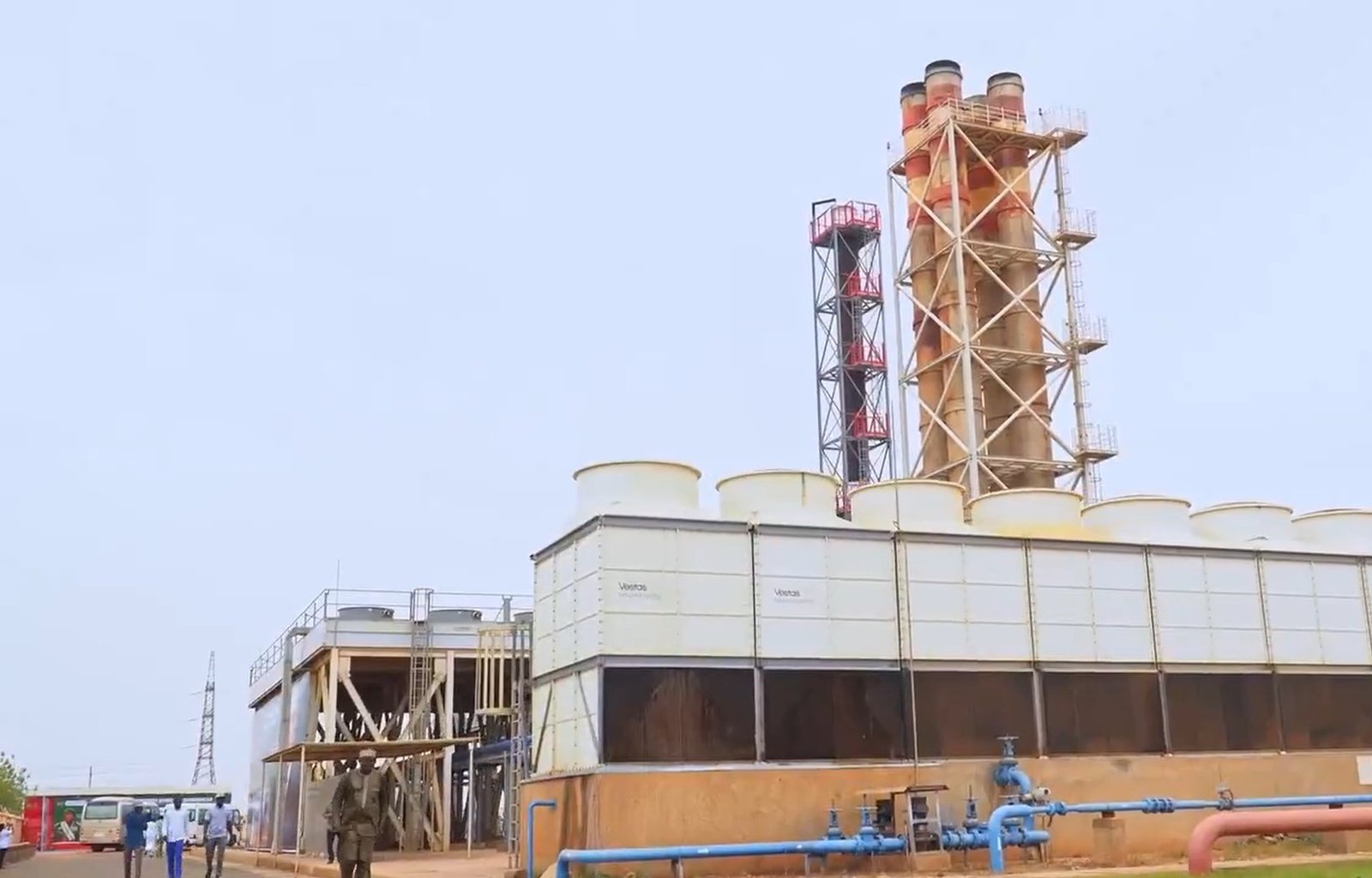
Following the successful inauguration of the Gorou Banda power plant in Niamey, Niger, Sonelgaz-International is set to launch a similar 40-megawatt electrical facility in N’Djamena, Chad. The announcement comes as part of the Algerian energy giant’s strategic expansion across the African continent, building on recent milestones in West African energy infrastructure.
Next steps: inaugural milestone in Chad
During the Niger project’s inauguration on June 3 in Niamey, the Algerian Minister of Energy and Renewable Energies, Mourad Adjal, confirmed that groundbreaking for the 40 MW power plant in Chad will begin in the coming days. This initiative is the latest in Sonelgaz-International’s ongoing efforts to support energy development in partner nations through turnkey power generation solutions.
The project follows an agreement signed between Algeria and Chad in May, formalizing collaboration on the N’Djamena facility. Like its Niger counterpart, the new plant will play a crucial role in bolstering Chad’s national grid and supporting economic growth in the capital region.
A model of rapid execution
Yazid Djellouli, CEO of Sonelgaz-International, highlighted the project’s accelerated timeline as a testament to Algerian engineering excellence. “Under the guidance of Minister Mourad Adjal and in alignment with the directives of President Abdelmadjid Tebboune, our teams mobilized immediately after the Algeria-Niger agreements were signed in March,” he explained. “This required a carefully orchestrated logistical operation, effectively establishing a dedicated air bridge with over 20 flights operated by Air Algérie Cargo.”
The deployment involved more than 50 engineers, technicians, and project managers working on-site since late March. Djellouli emphasized the significance of the Gorou Banda plant as Sonelgaz-International’s first international venture, calling it a “landmark industrial and logistical achievement.”
Powering West Africa: beyond electricity generation
The 40 MW facility in Niamey is expected to increase Niger’s national electricity output by approximately 20%, significantly enhancing energy access in the capital. Beyond power generation, Sonelgaz-International is also conducting feasibility studies to upgrade and expand Niger’s aging transmission network, particularly along the critical Niamey-Agadez corridor. These studies may lead to additional contracts focused on grid modernization and reliability.
“Our experience includes the successful delivery of 8,000 MW and 4,000 MW projects with major international firms,” Djellouli noted. “This expertise laid the foundation for Sonelgaz-International, enabling us to export Algeria’s technical know-how across Africa.”
Strengthening regional partnerships
Khalil Hedna, Director of Communications at Algeria’s Ministry of Energy and Renewable Energies, underscored the strategic importance of the Niger project. “This plant represents a major milestone in Sonelgaz-International’s international development,” he said. “We’ve also prioritized knowledge transfer, training dozens of Nigerien technicians in plant operation and maintenance. Additionally, discussions are underway to establish a local spare parts depot, ensuring long-term sustainability.”
Fati Abarchi, Director General of NIGELEC, praised the Algeria-Niger collaboration as an “exceptional experience” that will leave a lasting legacy in Niger’s energy sector. “This plant will be remembered as a turning point in our nation’s electrification journey,” she affirmed.
Looking ahead: Sonelgaz’s African ambitions
With the Chad project on the horizon, Sonelgaz-International is actively pursuing additional opportunities across the continent. The Minister of Energy highlighted growing interest from Côte d’Ivoire and Mozambique, signaling broader demand for Algerian energy expertise. The company is also positioning itself as a bridge between Algerian public and private enterprises and African energy markets, facilitating joint ventures and technology transfer.
The Gorou Banda and N’Djamena plants exemplify how strategic infrastructure projects can accelerate regional energy integration while supporting sustainable development goals in West Africa.