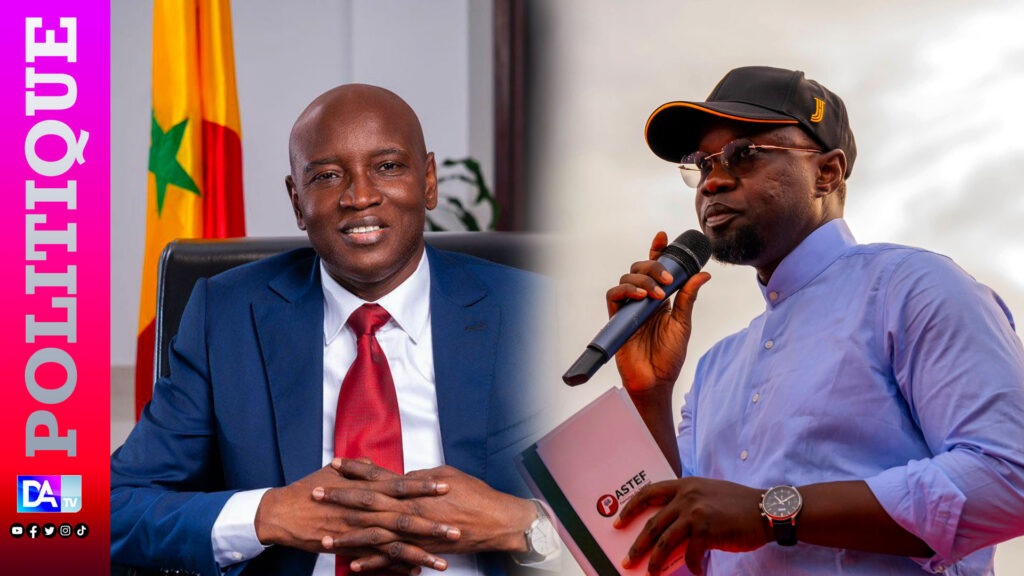
Senegal’s special funds: a first under Sonko’s premiership
In a recent television appearance, former Senegalese minister Aly Ngouille Ndiaye made a bold claim: Ousmane Sonko was the first Prime Minister in the country to utilize the special funds allocated to the Prime Minister’s office. Ngouille Ndiaye, who held ministerial positions during his career, emphasized that no predecessor—including Amadou Ba—had access to these funds during their tenure.
What are these special funds and how were they used?
According to Ngouille Ndiaye, the funds were substantial. He suggested that if distributed quarterly, Sonko may have received around 8 billion FCFA annually. However, he pointed out that the initial 1.7 billion FCFA allocated for the first period was exhausted rapidly, raising questions about its usage. “If the funds were meant to last a year but were depleted within a quarter, that speaks volumes,” he noted. The former minister implied that Sonko’s rapid depletion of the funds could indicate their full utilization before he left office.
The call for transparency and accountability
Ngouille Ndiaye went further, urging Sonko to clarify the expenditure of the 1.7 billion FCFA through parliamentary inquiry commissions. He stressed that such commissions should investigate how these funds were consumed, setting a precedent for transparency. “If I were in his position, the first step would be to explain how these funds were used,” he asserted. His remarks highlight a growing demand for accountability in the management of public resources in Senegal.
The former minister’s statements underscore a broader debate about the use of special funds in Senegalese governance, particularly under Sonko’s premiership.
You may also like
Will Benin’s AEO exporters finally crack the Chinese market?
Northern Niger’s unanswered question: can Tiani’s government deliver water and power where it matters most?
Can Air Sénégal survive the Interpol smuggling probe? The stakes for crew, passengers and the airline’s future
As donor fatigue spreads, can Benin’s €544,042 UNAIDS pledge keep the HIV response on track?
Who pays the price when Burkina Faso’s public payroll contracts? Households weigh the cost of 1,917 fewer agents