Senegal is stepping into a new era of parliamentary oversight this week with the official launch of a groundbreaking governance mechanism. On August 26, 2026, the National Assembly inaugurated the Public Policy Evaluation Committee (CEPP), a long-awaited institution first proposed in the 2016 constitutional reforms. This initiative represents a significant milestone in the country’s commitment to transparency and accountable public spending.
The CEPP’s core mission goes far beyond routine parliamentary functions. It will systematically assess how state investments translate into tangible benefits for Senegalese citizens. Through structured evaluations, the committee will provide lawmakers with the tools to scrutinize government expenditures with unprecedented precision. This mechanism ensures that every franc of public funds is allocated efficiently and accounted for transparently.
Balanced representation for comprehensive oversight
The committee’s composition reflects Senegal’s political diversity. It brings together key parliamentary figures including the Assembly President, all group leaders, the 14 permanent commission chairs, independent deputies’ representatives, and nine additional members selected proportionally to reflect the chamber’s political balance. This inclusive structure guarantees that both majority and opposition voices contribute to public policy evaluation, reinforcing democratic checks and balances.
Such broad representation is crucial for maintaining public trust. The CEPP’s inclusive approach means that policy assessments will consider multiple perspectives before reaching conclusions, ensuring fairness and comprehensiveness in government oversight.
Sonko assumes leadership of the committee
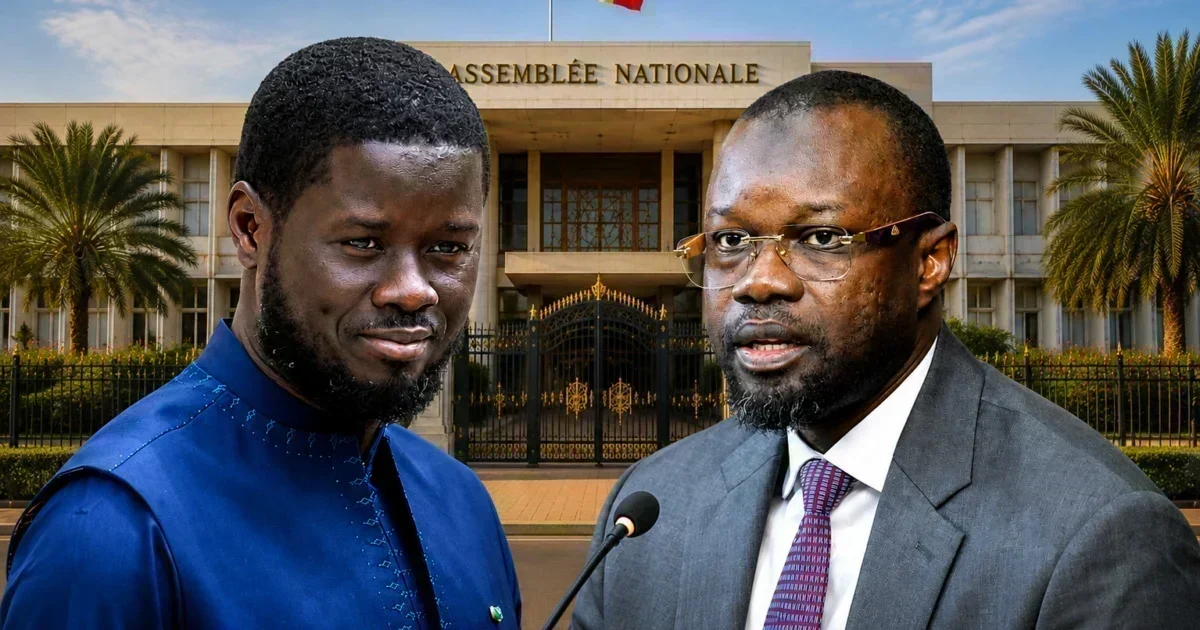
The CEPP’s inaugural meeting saw the election of its governing bureau, with Ousmane Sonko, current Assembly President, assuming the chairmanship. His leadership position will be instrumental in establishing the committee’s authority and effectiveness when engaging with the Executive branch.
The bureau will be supported by Mohamed Sall as First Vice-President and Djimo Souaré as Second Vice-President. Administrative management and report drafting responsibilities have been assigned to Béatrice Germaine Faye (First Secretary) and Adama Diallo (Second Secretary). This leadership team combines institutional experience with fresh perspectives to drive the committee’s agenda forward.
The newly formed committee faces immediate priorities, particularly evaluating key sectors like healthcare, education, and economic development. Senegalese citizens can expect to see the first evaluation reports in the coming months, marking the beginning of a new chapter in public accountability.