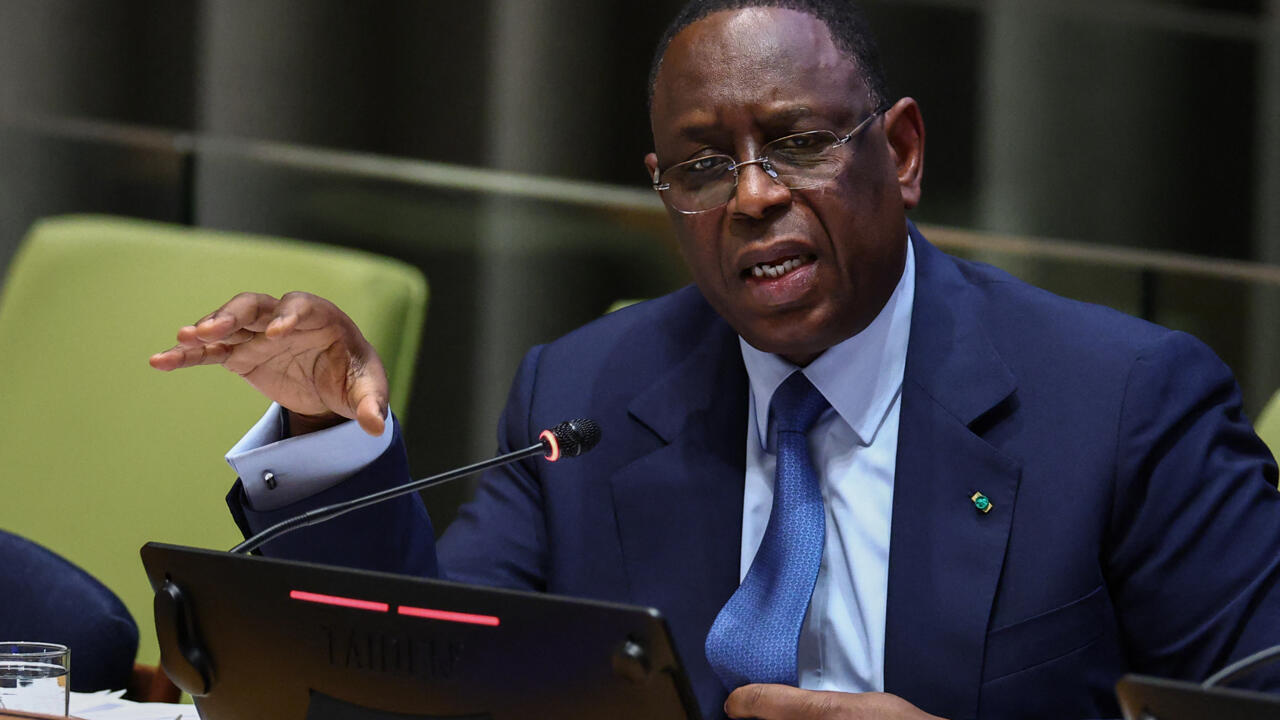
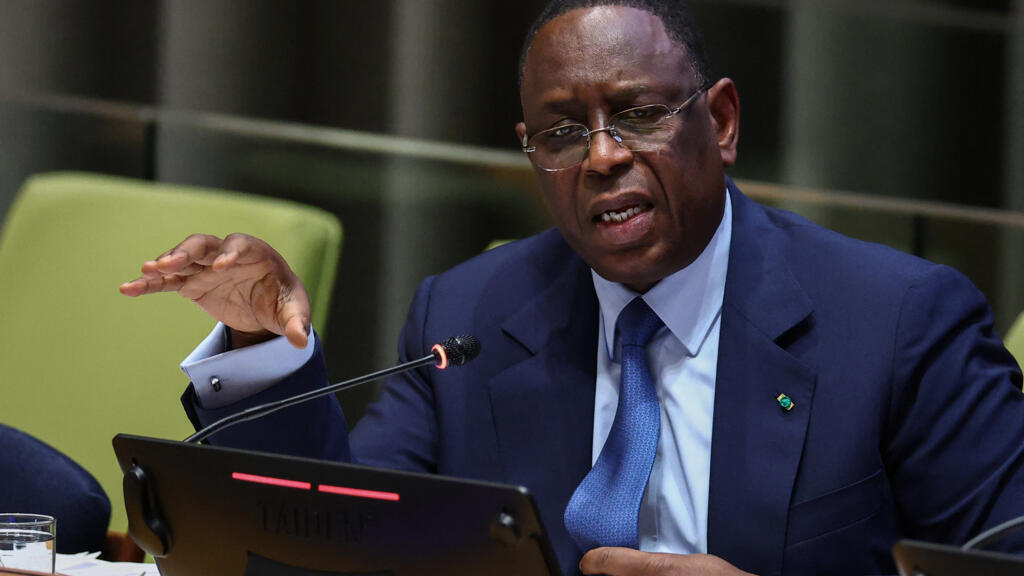
Just three days after welcoming former President Macky Sall at the presidential palace, Bassirou Diomaye Faye publicly endorsed his predecessor’s bid for United Nations Secretary-General on 20 July 2026. The announcement came with full diplomatic backing and was framed as Senegal’s official position—a stark reversal from reservations expressed in March and opposition within the African Union.
This strategic move significantly bolsters Macky Sall’s candidacy, granting him the endorsement of the state he once led for twelve years. Yet the decision raises questions: what drove Bassirou Diomaye Faye to change course? Could this decision deepen tensions with his former Prime Minister, Ousmane Sonko?
Why did Dakar change its stance?
The Senegalese government’s abrupt reversal follows months of internal debate. In March, Dakar had expressed skepticism about Macky Sall’s bid, aligning with broader African Union reservations. Yet by July, President Bassirou Diomaye Faye had mobilized the full diplomatic apparatus to present the candidacy as a national priority.
Several factors may explain this shift. Macky Sall’s international profile, built during his twelve-year presidency, likely played a role. His extensive diplomatic network and experience in global governance could strengthen Senegal’s influence in international forums. Additionally, the move may reflect a desire to mend fences with Western partners after recent diplomatic strains.
Yet the decision is not without risks. It could alienate political allies who oppose Macky Sall’s legacy, including Ousmane Sonko, whose relationship with the former president remains contentious. The timing—amidst Senegal’s evolving political landscape—adds further complexity.
Regional implications and future uncertainties
Senegal’s endorsement transforms Macky Sall’s bid into a continental issue. With the backing of Dakar, his candidacy gains momentum, particularly among African states that previously hesitated. However, the shift also exposes divisions within Senegal’s leadership, raising doubts about the sustainability of this diplomatic realignment.
As the United Nations deliberates on the next Secretary-General, all eyes are on Dakar. Will this endorsement hold, or will internal pressures force a retreat? The answer could reshape both Senegal’s foreign policy and the broader West African geopolitical landscape.