Senegal stands by Macky Sall’s UN bid after sudden shift in stance
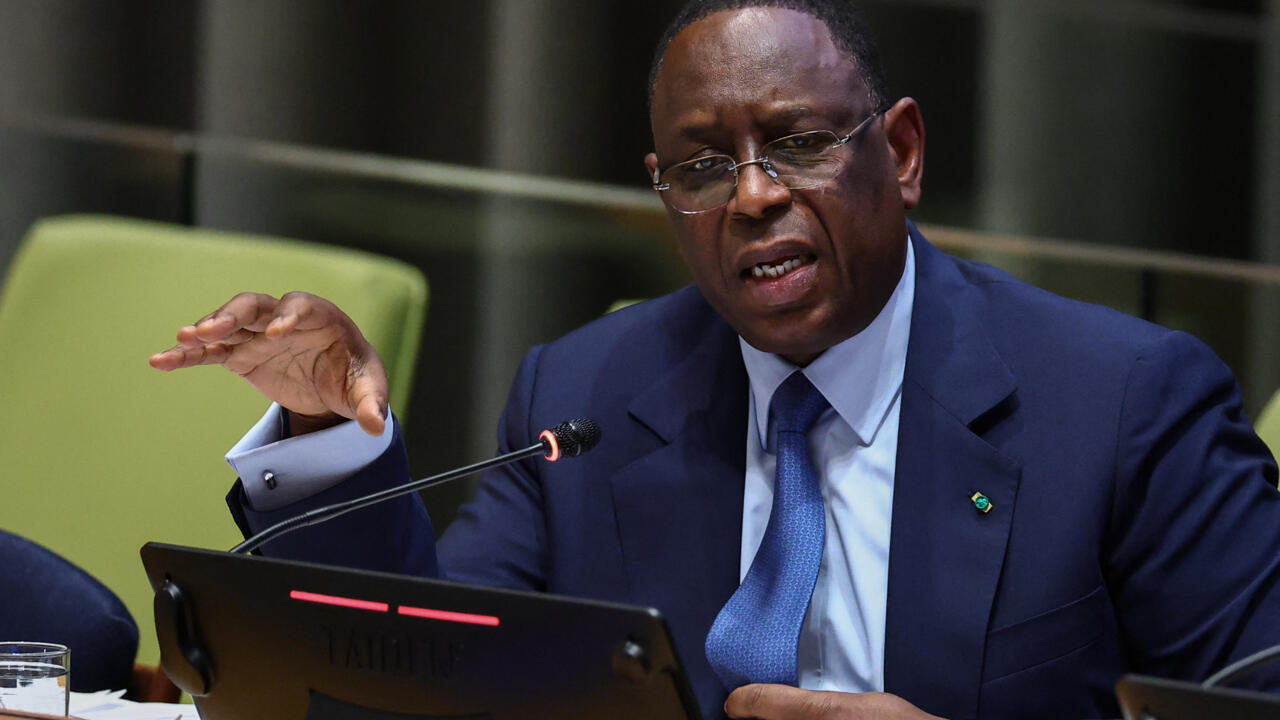
Three days after welcoming Macky Sall at the presidential palace, Bassirou Diomaye Faye formally endorsed Senegal’s backing for his predecessor’s bid for United Nations Secretary-General on July 20. Leveraging the full weight of Senegal’s diplomatic machinery, the President positioned the candidacy as a national priority. This abrupt reversal, following earlier reservations in March and Senegal’s opposition within the African Union, significantly bolsters Macky Sall’s campaign—granting him the official endorsement of the country he once led. What factors drove this strategic pivot? Could it deepen tensions with Ousmane Sonko, his former Prime Minister?
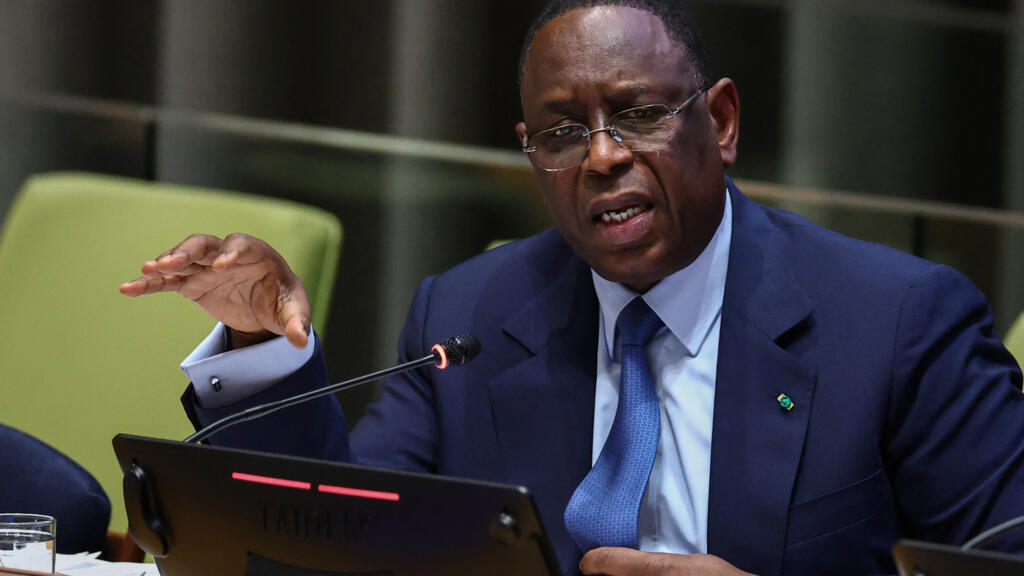
Diplomatic maneuvering behind Senegal’s endorsement
Bassirou Diomaye Faye’s decision to back Macky Sall’s UN candidacy marks a stark departure from Dakar’s earlier reservations. In March, Senegal had signaled its reluctance to support Sall’s bid, even opposing it within African Union discussions. The President’s sudden endorsement, announced just days after a high-profile meeting in Dakar, suggests a calculated shift in strategy.
By rallying Senegal’s diplomatic network behind Sall’s campaign, Diomaye Faye has positioned the candidacy as a national priority. This move not only strengthens Sall’s international profile but also reinforces Senegal’s role in shaping Africa’s voice within the United Nations. The shift raises questions about the motivations behind this volte-face and its implications for Senegal’s political landscape.
Regional dynamics and internal pressures
The endorsement comes at a critical juncture, as Senegal navigates complex regional challenges. With West Africa’s security landscape in flux, Dakar’s alignment with Sall’s candidacy could signal a broader strategy to consolidate influence in multilateral forums. However, the decision may also exacerbate existing tensions with political opponents, particularly Ousmane Sonko, who remains a prominent figure in Senegal’s opposition.
The President’s move could be interpreted as an effort to bridge divides or, conversely, as a bold assertion of authority in a politically divided nation. Either way, the endorsement has undeniably reshaped the contours of Senegal’s foreign policy and internal political discourse.
What’s next for Senegal’s diplomatic strategy?
With Macky Sall’s candidacy now backed by the Senegalese state, his campaign gains unprecedented momentum. The former President, who led Senegal for twelve years, can now leverage the full weight of the country’s diplomatic apparatus to advance his bid for the UN’s top post. This endorsement not only solidifies his international standing but also underscores Senegal’s commitment to playing a pivotal role in global governance.
As the campaign unfolds, all eyes will be on Dakar to see how this strategic pivot influences both Senegal’s domestic politics and its broader diplomatic engagements. Will this move unite the nation or deepen political fractures? The answer may well shape the trajectory of Senegal’s future on the world stage.