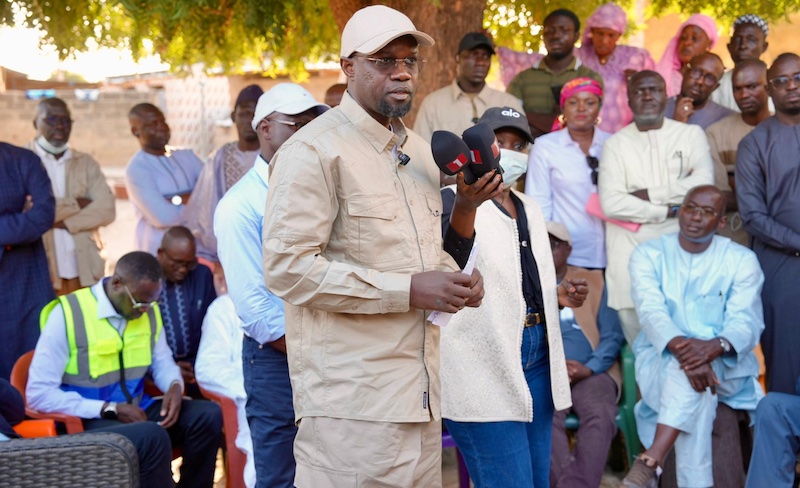
Prime Minister Ousmane Sonko has placed agricultural preparations for the 2026-2027 rainy season at the heart of the latest Council of Ministers meeting. While commending the progress and dedication of Senegal’s key agricultural institutions, including the Senegalese Institute of Agricultural Research (ISRA) and Senegal’s Chemical Industries (ICS) in producing certified seeds and fertilizers, the head of government delivered a candid assessment of the sector’s challenges.
Breaking barriers to seed autonomy and financial access
The Prime Minister identified critical structural weaknesses impeding progress toward the government’s food sovereignty goals. Among these are the persistent lack of seed self-sufficiency, quality inconsistencies in the previous farming season, gaps in producer targeting systems, and persistent credit access barriers for farmers. Additionally, Sonko highlighted the urgent need to upgrade agricultural machinery maintenance and expand nationwide storage infrastructure.
Digital solutions to curb fraud in input distribution
To address uneven distribution and prevent the misuse of agricultural inputs, the government has fast-tracked the digitalization of the supply chain. Successful pilot programs in Tivaouane and Nioro have demonstrated the effectiveness of this approach. In the interim, before a comprehensive subsidy reform, government agencies must enforce strict cost transparency and ensure timely delivery of agricultural inputs across all regions of Senegal.