In Dakar, economists, policymakers, and civil society representatives are gathering to scrutinize Senegal’s mounting debt burden. The two-day international conference, titled « Debt crisis in Senegal: toward sustainable and progressive solutions beyond IMF austerity », has sparked intense discussions on viable alternatives to conventional debt management strategies.
The event, which aligns with broader African discourse on sovereign debt, brings together leading voices in economics, former government officials, and regional analysts. Among the most vocal critics is Ndongo Samba Sylla, regional director for Africa at International Development Economics Associates (Ideas), who argues that the International Monetary Fund (IMF) has played a pivotal role in perpetuating Senegal’s debt dilemma rather than resolving it.
Why the IMF’s approach is under fire
Sylla contends that the IMF’s policies have deepened Senegal’s financial struggles by reinforcing external debt traps. In a keynote address, he stated:
« For us, the IMF is not the solution—it is part of the problem. The Fund sustains debt dependency, largely serving the geopolitical interests of Western powers like the United States and France. Countries most indebted are often allies of these nations, reinforcing global power imbalances. The IMF’s pro-creditor stance ensures that debt servicing takes precedence over domestic development. »
His critique extends beyond Senegal, framing the debate within a systemic critique of global financial governance.
Regional unity as a path forward
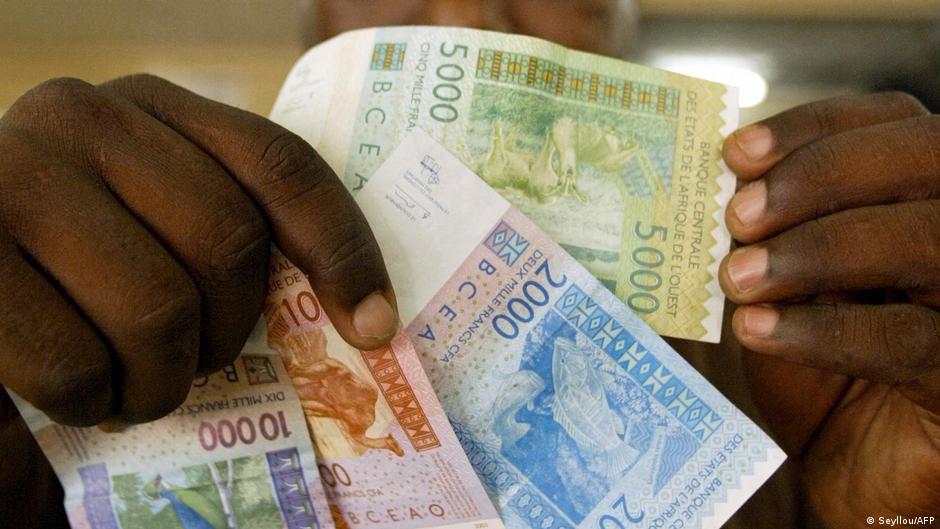
While Sylla emphasizes structural flaws such as the CFA franc as core drivers of debt vulnerability, others like Alioune Tine, founder of Afrikajom Center, advocate for a broader political and collective response.
Tine asserts that debt resolution must transcend national silos, calling for coordinated action among African nations facing similar fiscal pressures:
« Debt management cannot be effective in isolation. To counter austerity measures and structural adjustment demands, African countries must unite. Collective bargaining power is essential to reject harmful policies that stifle economic growth and sovereignty. »
Transparency and accountability in public finance
Senegal’s debt levels have reached staggering heights—exceeding 130% of GDP by late 2024, as disclosed by Prime Minister Ousmane Sonko. Revelations of hidden debt and budgetary irregularities from previous administrations have intensified calls for debt cancellation and fiscal reform.
Sylla advocates for non-payment of illegitimate debt, arguing:
« Illegitimate debt should never be honored. Even if repayment were unavoidable, a well-managed central bank could restructure obligations without crippling state budgets. »
Meanwhile, Alioune Tine urges a pragmatic approach, warning against isolationist tendencies in a globalized economy:
« We must move beyond outdated notions of sovereignty. Interdependence defines today’s world. Real solutions require acknowledging global power asymmetries and leveraging collective influence. »
Government commits to stronger oversight
In response to growing scrutiny, the ruling Pastef-Les Patriotes party has pledged legislative reforms to enhance debt transparency. Ayib Daffé, parliamentary group leader, emphasized the need for robust parliamentary oversight:
« To prevent recurrence, we must strengthen legislative control over borrowing and budget execution. Every fiscal law must adhere to principles of budgetary sincerity and accountability. »
On the international stage, President Bassirou Diomaye Faye recently met with IMF Managing Director Kristalina Georgieva in Nairobi, seeking a mutually beneficial resolution to Senegal’s economic crisis that has persisted for over two years.