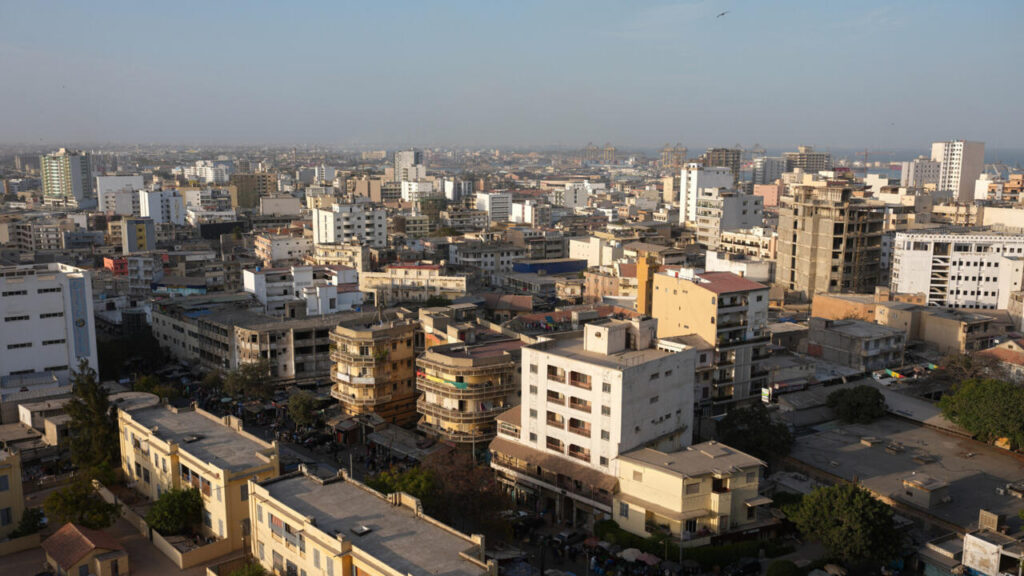
After four years of robust growth—averaging three billion dollars annually—foreign direct investments (FDI) in Senegal plummeted to just 37 million dollars in 2025, according to the United Nations Conference on Trade and Development (UNCTAD). The question now looms: is this a temporary dip following a cycle of major projects, or a sign of investor caution toward the country’s financial policies?
Temporary downturn or structural challenge?
The sharp decline in FDI inflows is largely cyclical. Massive oil and gas projects like Sangomar and Grand Tortue had driven investment volumes in recent years, but most of those funds have now been deployed. The focus has shifted to production and operational phases, leaving fewer new large-scale funding opportunities.
Moubarak Lo, former economic advisor to the Prime Minister and now an independent consultant, argues that Senegal could structurally sustain three to five billion dollars in annual FDI—if it actively promotes its economy abroad. However, he points out a critical shortcoming: “The country lacks a dedicated international investment promotion network. While roadshows are conducted, they aren’t enough. Proactive engagement is essential, as we’ve seen with portfolio investments in government securities and treasury bonds. The same energy must be applied to attracting direct investments, and that’s the modernization we urgently need.”
Debt levels not the primary deterrent
Despite Senegal’s staggering public debt—reaching 132% of GDP by the end of 2024, per IMF estimates—the situation doesn’t inherently deter private investors, according to the economist. Justin Maria, Director of Access Bank in France, agrees that debt levels aren’t the main issue. He highlights France as an example, where private investors continue to pour capital despite a public debt exceeding 3.5 trillion euros.
Instead, he warns, it’s the lack of clarity that raises concerns: “Senegal is increasingly perceived as a high-risk destination—not because of long-term fundamentals, which remain strong, but due to short-term uncertainties. Investors lack visibility into the state of public finances and liquidity, and that’s what’s holding them back.”
Path to recovery: targeted engagement
Moubarak Lo dismisses the “high-risk” label, asserting that Senegal has the tools to rapidly restore its appeal. While the IMF suspended its program with Dakar at the end of 2024, negotiations are ongoing. “The country currently has around two dozen high-profile projects on the table,” he explains. “Each must be presented to five or six key multinational corporations, with the goal of securing one major investor per project. A recovery is possible as early as this year, or more likely by 2027.”
While Senegal grapples with this downturn, other West African nations have fared better. In 2025, Guinea led the region with over 7.7 billion dollars in FDI, according to UNCTAD data.
You may also like
Can Ibrahim Traoré’s 300 armored vehicles claim survive scrutiny? Inside Faso Armored’s made-in-Burkina Faso gamble
Can Washington force third-country deportations? Ivory Coast’s refusal raises the stakes
Will Benin’s AEO exporters finally crack the Chinese market?
Northern Niger’s unanswered question: can Tiani’s government deliver water and power where it matters most?
Can Air Sénégal survive the Interpol smuggling probe? The stakes for crew, passengers and the airline’s future