Senegal’s political landscape shakes as Ndiaga Seck case unfolds
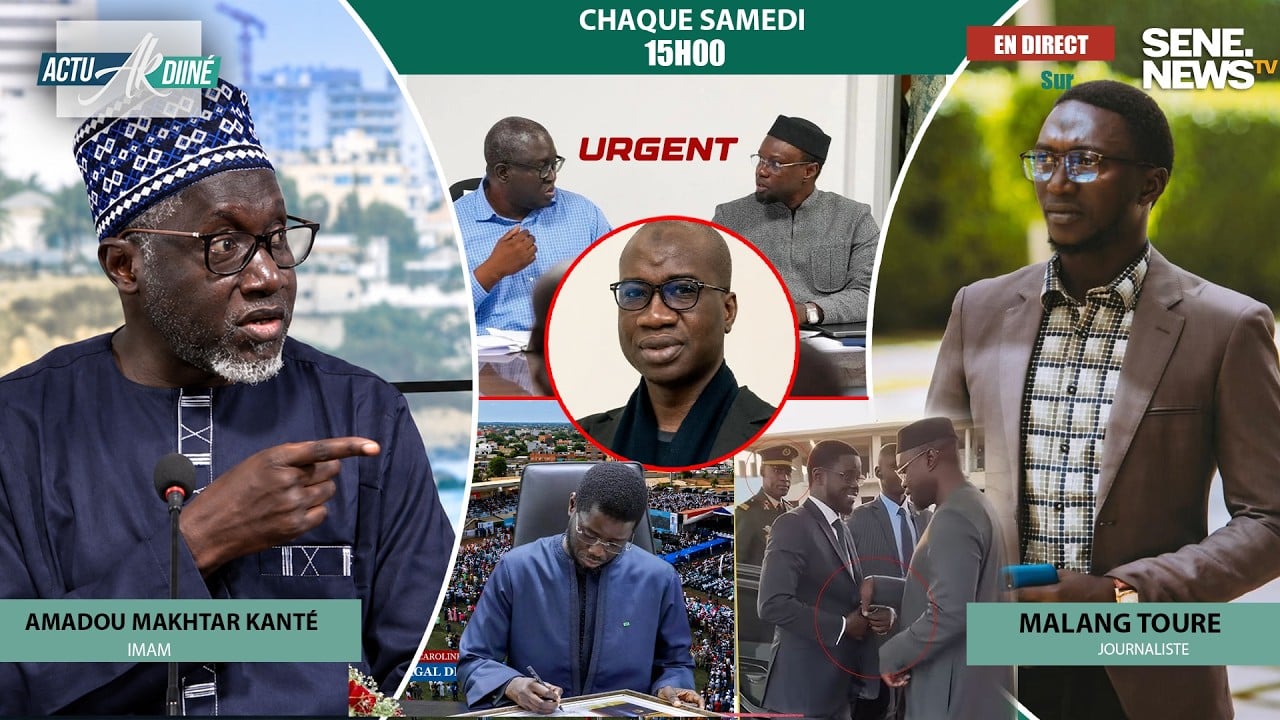
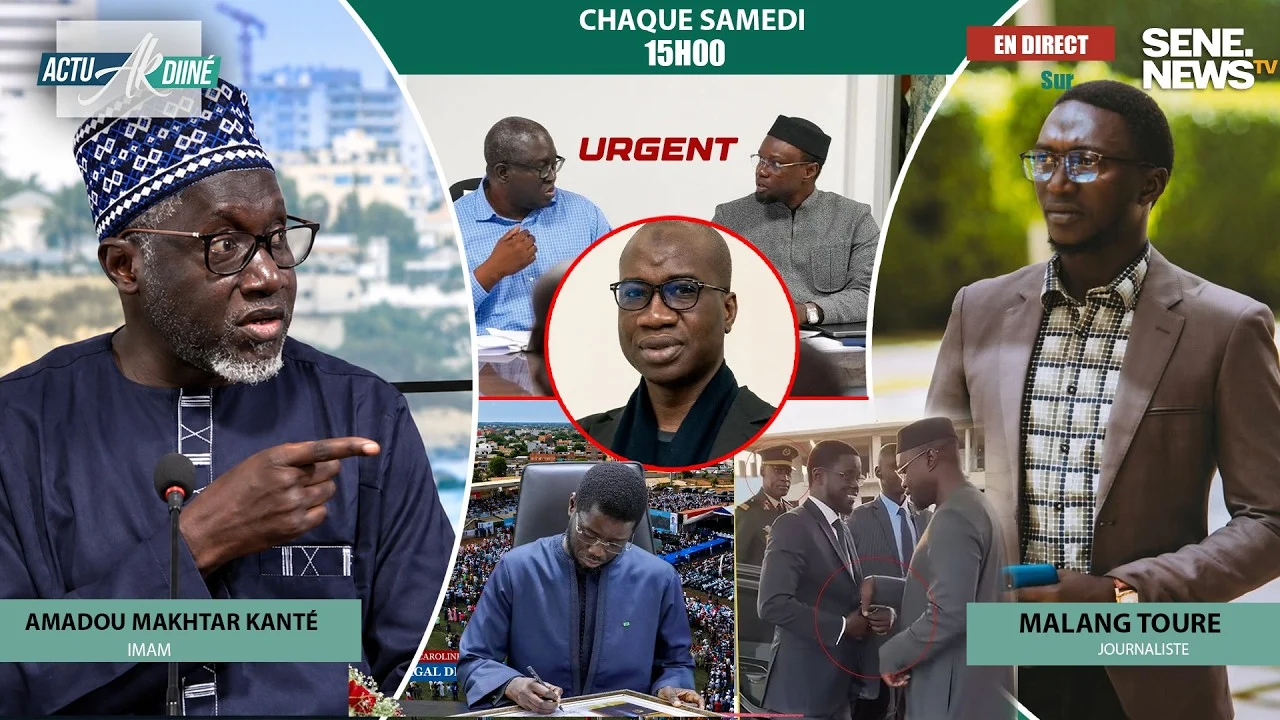
The latest political developments in Senegal are taking a dramatic turn as the Ndiaga Seck case exposes deep-seated tensions within the nation’s electoral framework. This Saturday’s broadcast of Actu ak Diné dives into the unfolding events, dissecting the implications for upcoming elections while Ousmane Sonko ramps up preparations.
Key political maneuvers and legal shifts
As the nation braces for decisive electoral moments, Imam Kanté’s Actu ak Diné episode offers a critical examination of the week’s most pressing issues. From the high-stakes Ndiaga Seck controversy to strategic meetings between opposition leader Ousmane Sonko and top military officials, the broadcast provides an in-depth look at the forces shaping Senegal’s political future.
Adding to the complexity, President Bassirou Diomaye Faye’s recent signing of the new electoral code has intensified discussions about electoral integrity and transparency. These developments come at a time when the country is also preparing for the Tabaski festivities, creating a unique intersection of religious observance and political urgency.
Unpacking the Ndiaga Seck controversy
The Ndiaga Seck case has emerged as a lightning rod in Senegal’s political discourse, drawing attention to issues of accountability and governance. As details continue to surface, the episode explores the broader implications for public trust in electoral processes and the role of high-profile figures in these unfolding events.
Ousmane Sonko’s strategic moves, including consultations with military leadership, signal a proactive approach to navigating the current political climate. These actions reflect the heightened stakes as Senegal approaches a pivotal electoral period.
The electoral code: a game-changer?
The newly enacted electoral code, recently signed into law by President Bassirou Diomaye Faye, has become a focal point of national debate. Analysts are closely examining its potential impact on the fairness and transparency of upcoming elections, with many questioning how it will reshape the political landscape.
As these legal and political shifts unfold, the nation’s attention remains sharply focused on the interplay between governance, electoral reforms, and public sentiment. The coming weeks promise to be decisive as Senegal navigates this critical juncture in its democratic journey.