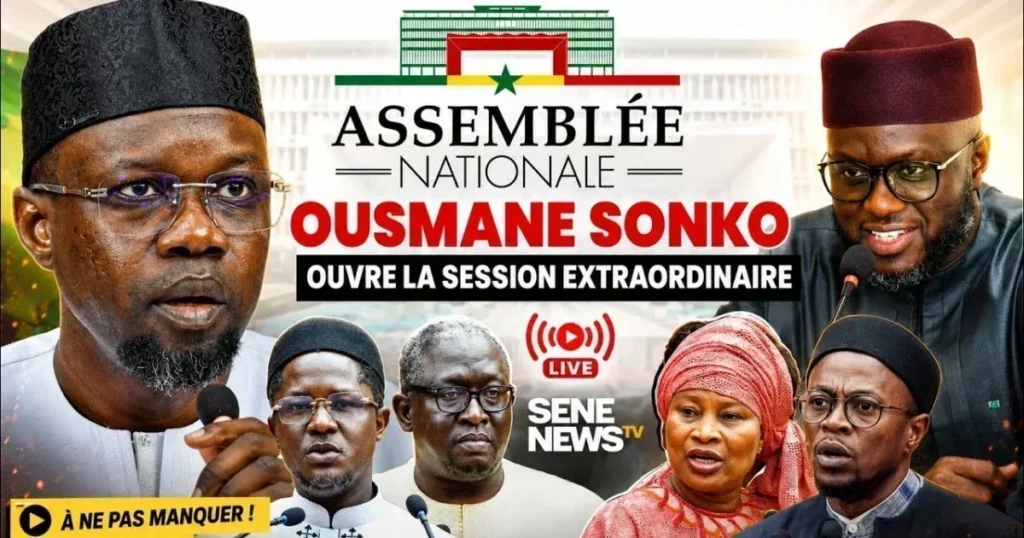
Senegal’s National Assembly kicks off extraordinary session under Ousmane Sonko’s leadership
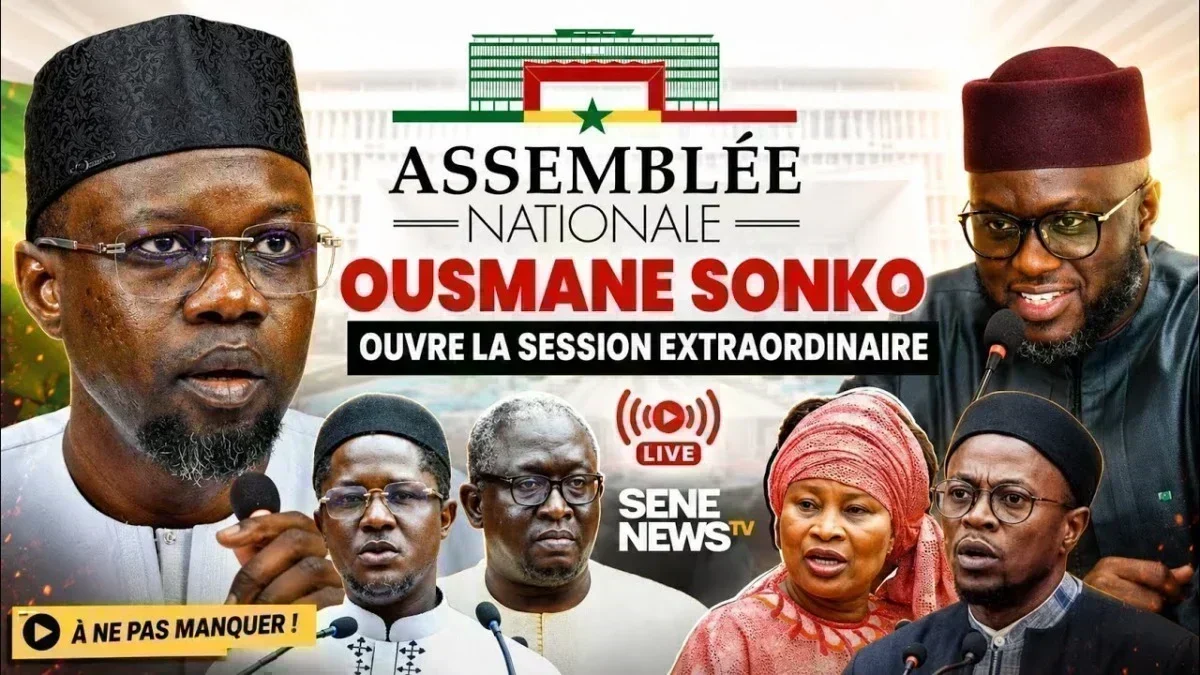
Watch live as Senegal’s lawmakers convene for a pivotal session, with Ousmane Sonko taking the helm to initiate critical inquiries.
Unprecedented parliamentary gathering
In a historic move, the National Assembly of Senegal has convened an extraordinary session, marking a decisive turn in the nation’s political landscape. The gathering, spearheaded by opposition leader Ousmane Sonko, signals heightened scrutiny of government actions and a demand for transparency.
The session, held in the heart of Dakar, has drawn intense public interest as lawmakers debate pressing national issues. Sonko’s leadership in initiating parliamentary inquiries underscores a growing push for accountability in governance.
Key inquiries launched
The extraordinary session has already seen the launch of multiple parliamentary investigations, with Sonko at the forefront. These inquiries aim to shed light on alleged mismanagement and corruption, sending ripples through the political echelon.
Among the issues under scrutiny are financial irregularities within government agencies, procurement processes, and compliance with parliamentary procedures. The move reflects Sonko’s long-standing commitment to rooting out corruption and ensuring public funds are used judiciously.
First interventions and parliamentary dynamics
The session began with fiery exchanges as lawmakers from across the political spectrum presented their positions. Sonko’s opening remarks set the tone, emphasizing the need for urgent reforms and greater oversight.
As debates unfolded, the atmosphere in the chamber grew charged, with some members accusing the government of stalling while others demanded immediate action. The session’s live broadcast has captivated citizens, offering a rare glimpse into the inner workings of Senegal’s democracy.
Looking ahead: implications for Senegal
The extraordinary session holds significant implications for Senegal’s political future. With Sonko’s party positioning itself as a vocal advocate for reform, the inquiries could reshape public trust in institutions and influence upcoming elections.
Analysts suggest that the outcomes of these parliamentary investigations may either strengthen democratic resilience or deepen political divisions. For now, all eyes remain on the National Assembly as it navigates this critical juncture.
You may also like
As donor fatigue spreads, can Benin’s €544,042 UNAIDS pledge keep the HIV response on track?
Who pays the price when Burkina Faso’s public payroll contracts? Households weigh the cost of 1,917 fewer agents
Libya pushes for direct Tripoli-Yaoundé flights as Cameroon sets up working groups
JNIM seizes three Burkinabè positions in a single day as Traoré’s security record faces hard questions
Chad condemns Ennedi-East airstrikes at un general assembly, warns of retaliation