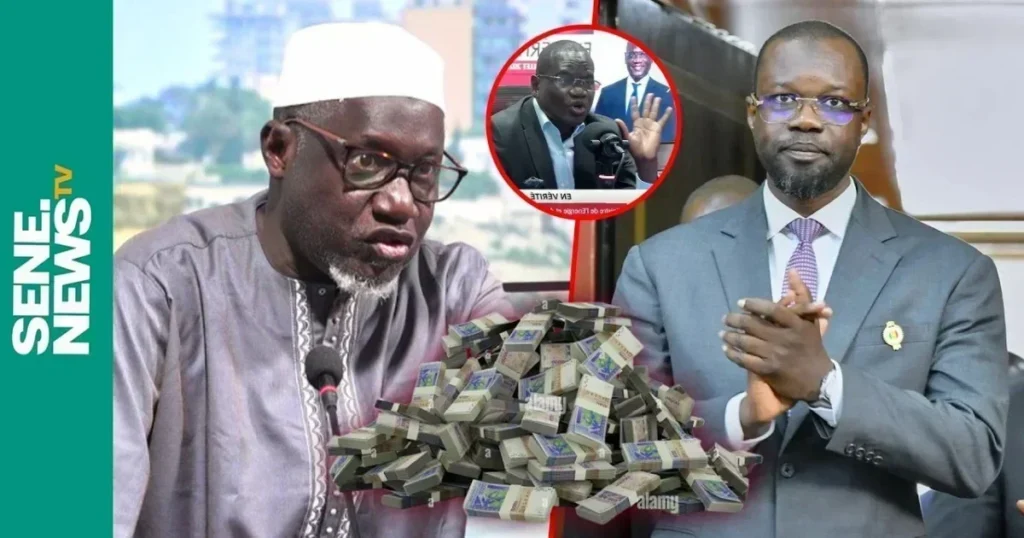
The latest political exchange in Senegal has taken a new turn as Imam Kanté publicly responds to Moundiaye Cissé’s statements regarding Ousmane Sonko. This intervention sheds fresh light on the ongoing debate surrounding Sonko’s political trajectory and its implications for the nation.
Behind the debate: context and key players
Ousmane Sonko, a prominent figure in Senegalese politics, has been at the center of intense discussions in recent months. His political maneuvers and public statements have sparked significant reactions, including from religious leaders like Imam Kanté. Meanwhile, Moundiaye Cissé, known for his critical stance, has publicly challenged Sonko’s actions, prompting the Imam’s detailed response.
Imam Kanté’s stance on Ousmane Sonko
In his response, Imam Kanté delved into the complexities of Sonko’s political decisions, offering a nuanced perspective that balances religious, social, and political considerations. The Imam emphasized the importance of unity and responsibility in navigating Senegal’s political challenges. His commentary reflects a growing trend of religious leaders engaging in high-stakes political discourse, signaling their influence beyond traditional spheres.
Why this exchange matters for Senegal
The debate between Kanté and Cissé underscores broader questions about leadership, accountability, and the role of faith in governance. As Senegal continues to navigate its political landscape, the perspectives shared by these influential voices can shape public opinion and influence future policy directions. This exchange is not just a clash of personalities but a reflection of deeper societal dynamics at play.
The conversation between Imam Kanté and Moundiaye Cissé offers a compelling glimpse into Senegal’s evolving political narrative. It highlights how faith and politics intersect in modern governance, with far-reaching consequences for the nation’s future.
You may also like
Sevilla vs Barcelona: kick-off time, tv channel and odds for the Sánchez-Pizjuán clash
Mali prison overcrowding: Bamako jail holds 10,000 in space built for 600 as mass arrests surge
World Bank brings education, jobs and entrepreneurship open days to Abidjan on 21-22 September 2026
At Tougan, Burkina Faso’s maize farmers sell at a loss and face debts as food sovereignty falters
Niger’s FPL opens its ranks to youth as security crisis deepens