
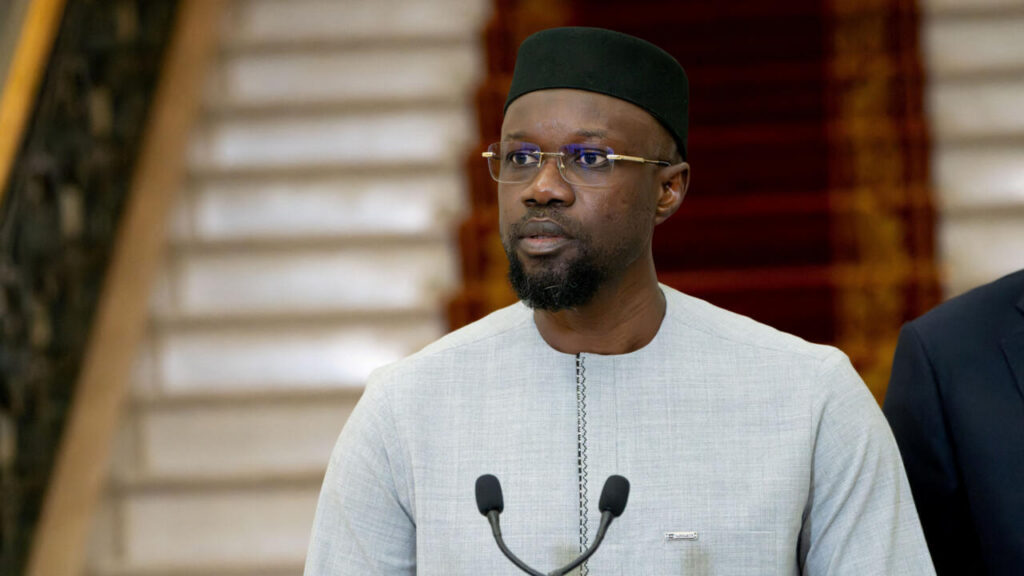
Dakar wakes up to a reshuffled political landscape today, with the appointment of a new prime minister and the imminent election of the National Assembly president. These changes mark a turning point in the country’s governance.
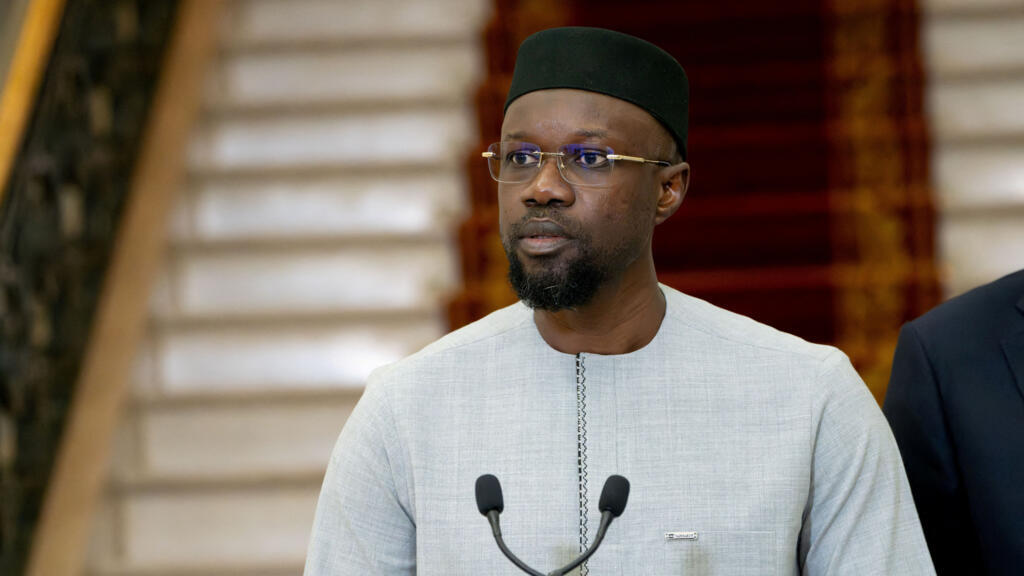
a new prime minister takes the helm
In a strategic move, President Bassirou Diomaye Faye has named Ahmadou Al Aminou Mohamed Lo as the new head of government. Formerly Minister of the National Agenda for Senegal 2050, Lo brings extensive expertise in national and international financial systems to the role. Local media outlets describe him as a ‘technical expert’ poised to navigate the country’s complex economic challenges while advancing its long-term development goals.
Analysts highlight Lo’s deep understanding of macroeconomics, banking regulation, and financial markets—skills deemed critical for steering Senegal through its current fiscal pressures. His appointment reflects a deliberate shift toward a governance model that prioritizes economic stability and strategic financial planning.
sonko’s potential return to parliament
The focus now shifts to today’s National Assembly session, where lawmakers will vote on two pivotal matters: the reinstatement of Ousmane Sonko as a deputy and the election of the Assembly’s new president. Sonko, a prominent opposition figure, was previously removed from his parliamentary seat, sparking intense debate over his eligibility for reinstatement.
With the Pastef party holding a commanding majority of 130 seats out of 165, its leaders aim to secure Sonko’s return to the Assembly. A reinstated Sonko would gain a powerful platform to influence budget decisions, legislative inquiries, and reform agendas. However, legal experts question the feasibility of his reinstatement, citing Senegalese law that typically treats substitute replacements as permanent for the duration of the legislature.
If Sonko’s reinstatement is approved, Senegal could face an unprecedented cohabitation scenario, with the president and parliamentary majority at odds. This dynamic could reshape the country’s political trajectory in the coming years.
2029 presidential ambitions
As these developments unfold, attention is already turning to the 2029 presidential election. Sonko, a key political figure, appears determined to challenge the current administration’s timeline. His party has pushed for electoral reforms that could remove barriers to his candidacy, but questions linger about his willingness to wait until 2029 or accelerate political change through institutional confrontation.
The potential for heightened tensions is palpable. Should Sonko regain a prominent role in the Assembly, the stage could be set for a prolonged standoff between rival factions within the same political camp. Such a scenario risks destabilizing Senegal, a nation long regarded as a bastion of stability in a volatile region.
The formation of the new government will be closely watched. Will its members come primarily from Pastef, or will President Faye opt for allies outside the party? Speculation even suggests the possibility of a parliamentary dissolution, which could send Senegalese voters back to the polls—but at a significant risk. If Pastef were to regain a majority, not only would Faye’s 2029 ambitions falter, but Sonko would emerge as the de facto political kingmaker.
You may also like
Gabon’s economic management hindered by unreliable public data
Niger: General Tiani faces growing unease within special forces after Russian involvement
Mali : 17 morts dans les rangs des dozos, le JNIM accentue sa pression
Sahel : le pari des juntes tourne-t-il à l’échec sécuritaire ?
MALI : Le JNIM diffuse les images de l’attaque de la base de San et contredit la version des FAMa