Senegal’s Assembly convenes emergency session: ousmane sonko’s strategic decisions
The national assembly’s internal regulations strictly limit extraordinary sessions to a maximum of 15 days, ensuring focused legislative action.
Yesterday’s bureau meeting set the stage for the 2025-2026 legislative year’s first extraordinary session, slated to begin Monday, August 10, 2026. Deputies will deliberate on two proposed laws, three draft laws, and six parliamentary inquiry commission requests during this high-priority gathering.
Following weeks of well-earned recess, Senegalese lawmakers will return to the Soweto Hemicycle for this critical session. The bureau’s decisive meeting yesterday confirmed the resumption of parliamentary work, with proceedings commencing precisely at 10:00 AM on the scheduled date.
Regulatory framework for the extraordinary session
This urgent convocation, driven by pressing political developments and institutional reform needs, promises a packed agenda. The assembly’s internal regulations impose strict time constraints: extraordinary sessions cannot exceed the legal 15-day limit.
Key procedural distinctions apply based on the convocation’s origin. When initiated by the assembly itself, the bureau issues an official decree setting the date and agenda. Conversely, when called by the executive branch, the president’s decree determines these parameters. This session falls under the first category, with the bureau already finalizing the agenda.
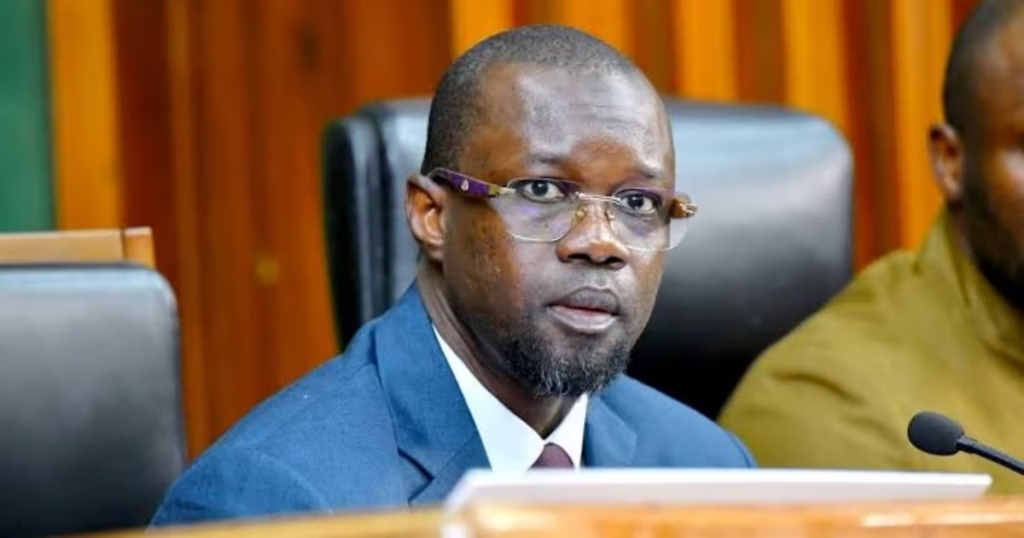
The session’s proceedings will follow a structured sequence: initial verification of quorum, followed by the assembly president’s opening address. Ousmane Sonko will preside over this plenary meeting, which will then transition to the presidents’ conference to formalize the session’s working schedule.
Under assembly regulations, extraordinary sessions must adhere to a predetermined agenda that cannot be altered after commencement. The bureau has meticulously prepared the legislative texts for this session, including two proposed laws, three draft laws, and six inquiry commission requests, all within the mandated 15-day window.
Legislative agenda takes shape
Among the key proposals slated for examination is a constitutional amendment regarding the president’s asset declaration requirements. Additionally, lawmakers will review legislation aimed at regulating special credits and secret funds. These drafts, declared admissible in July 2026, reflect the assembly’s commitment to transparency and fiscal accountability.
This extraordinary session represents more than routine legislative activity—it signals Senegal’s assembly taking decisive steps toward institutional strengthening during a pivotal political moment.
You may also like
Will the AES ever launch its own currency? The question Traoré keeps leaving unanswered
Can Ibrahim Traoré’s 300 armored vehicles claim survive scrutiny? Inside Faso Armored’s made-in-Burkina Faso gamble
Can Washington force third-country deportations? Ivory Coast’s refusal raises the stakes
Will Benin’s AEO exporters finally crack the Chinese market?
Northern Niger’s unanswered question: can Tiani’s government deliver water and power where it matters most?