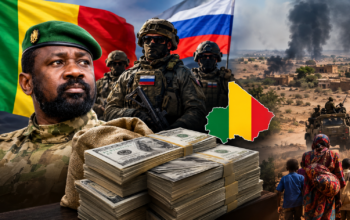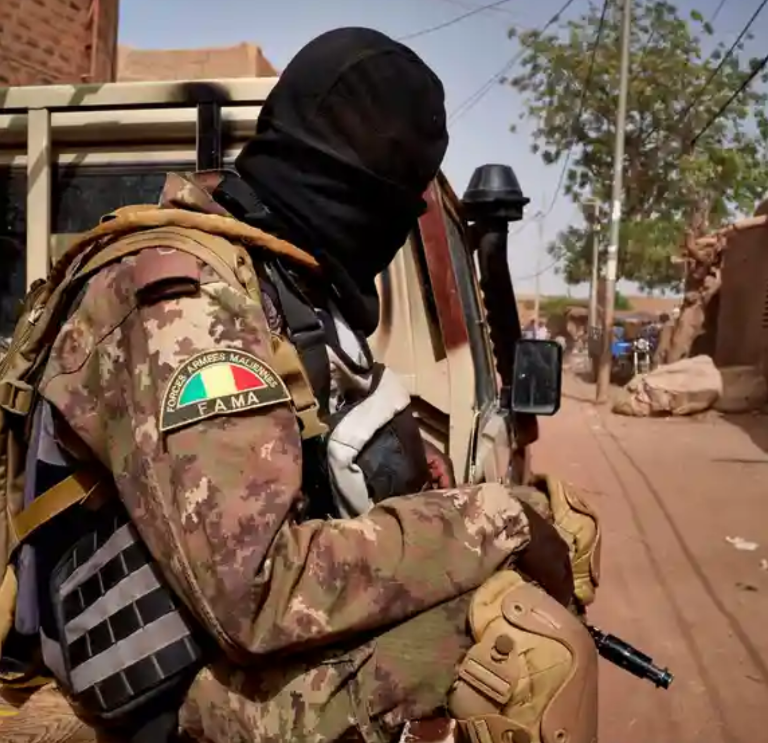
In a sharply worded statement released on May 31, the Group for the Support of Islam and Muslims (JNIM) accused Malian Armed Forces (FAMa) and their Russian allies from Africa Corps of carrying out a deadly attack against Fulani civilians in the Niono district, located in the Ségou region.
Civilian toll escalates in central Mali’s conflict hotspot
The Niono area, a flashpoint in central Mali, has once again become the center of grave allegations. According to the JNIM’s propaganda channel, soldiers from the Malian army, alongside paramilitary fighters from Africa Corps—formerly associated with the Wagner Group—allegedly targeted Fulani villagers in what they describe as a punitive raid. While independent verification remains nearly impossible due to the information blackout in the region, local sources and the rebel group claim multiple civilian casualties and widespread destruction of property.
Why the Fulani community remains a prime target
The recurring focus on the Fulani community in JNIM’s narrative is no coincidence. For years, this pastoralist group has found itself trapped between escalating violence and competing narratives. On one side, state forces often view them with suspicion, associating them with insurgent movements; on the other, extremist groups exploit their perceived marginalization to portray themselves as their sole protectors.
The JNIM’s latest accusations follow a deliberate strategy. By framing the victims strictly by their ethnicity, the armed group aims to amplify grievances of persecution and exclusion. Through this tactic, it seeks to undermine public trust in Bamako’s transitional government and its foreign allies—particularly Russia’s Africa Corps—while positioning itself as the only credible defender of Fulani rights.
Military operations under scrutiny amid civilian casualties
Despite official statements from Bamako affirming that military operations in Ségou target only terrorist groups without ethnic discrimination, concerns persist over collateral damage. The FAMa, reinforced by Africa Corps’ tactical and aerial support, have intensified their counterterrorism campaigns in the region. However, human rights organizations frequently criticize their methods as excessively aggressive, citing reports of civilian harm that the Malian military dismisses as fabricated or exaggerated.
The lack of transparent investigations and restricted access for independent journalists and international monitors only deepens suspicions. This opacity plays directly into the hands of extremist propaganda, which seizes on every unconfirmed report to fuel distrust and spread its own version of events.
A call for accountability and protection of civilians
The latest accusations underscore the urgent need to break the cycle of violence engulfing central Mali. As military pressure intensifies, the protection of civilians across all communities must take precedence to prevent further descent into interethnic retaliation and irreversible conflict.
For local journalists and observers, the challenge is twofold: to report with precision and detachment without amplifying militant narratives, while still exposing the harsh realities on the ground. Restoring peace in Mali will require more than battlefield victories—it demands justice, accountability, and the restoration of trust among traumatized populations.