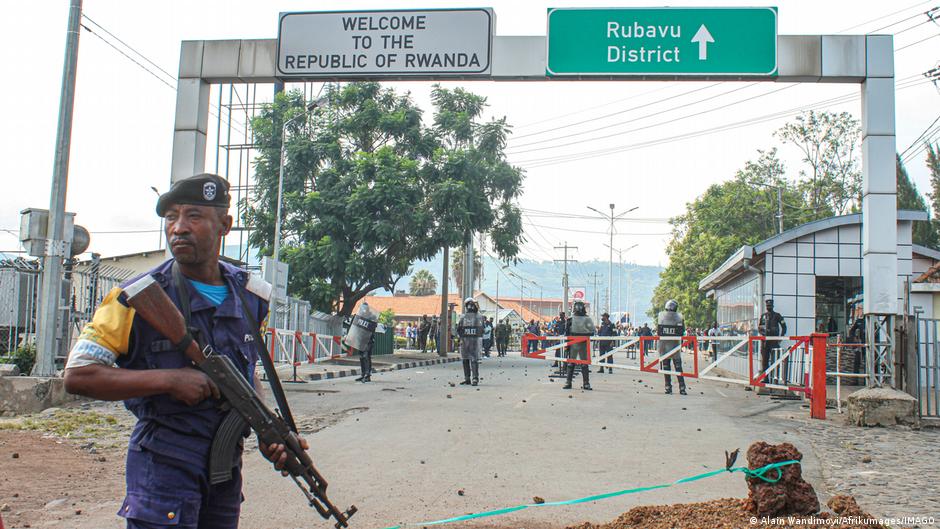
The suspension of travel between Goma, located in the Democratic Republic of the Congo, and Gisenyi in Rwanda, is triggering deep anxiety among the local population. The once-busy crossing points are now quiet, leaving those who depend on cross-border trade in a precarious position.
Jacques Safari, a young man who makes his living selling eggs on the streets of Goma, has seen his daily earnings vanish. For years, his business thrived near the boundary separating the DRC and Rwanda. However, since the gates were locked, his income has plummeted.
“Our profits have taken a massive hit. Prior to the border being sealed, I could move five crates of eggs every single day. Now, I struggle to sell even two. The socioeconomic climate is incredibly tough right now because most of our buyers were people traveling between the two countries,” Safari explains.
Supply chain challenges
The situation is equally dire for wholesalers of manufactured goods. They report significant hurdles in maintaining their inventory since the passage to Rwanda was blocked.
Hamuli Kasilembo, a wholesaler operating in the Birere market, notes that the ease of crossing for supplies is a thing of the past. “When the border was open, we could just cross over to get what we needed. Now, everything has become complicated. Even finding customers is a challenge because the flow of money has stalled,” he laments.
A predictable economic downturn
From an analytical perspective, the negative repercussions of this closure were entirely expected. The commercial link between Goma and Gisenyi is the lifeblood of the local economy, supporting thousands of merchants who rely on this daily traffic.
Economist Alphonse Muanda points out that “when Rwandan authorities decide to close the border, the small-scale traders are the first to suffer. Many of these people live hand-to-mouth on their daily sales and are entirely dependent on transborder commerce. Many would go to Gisenyi to buy essential items in bulk, such as rice, soap, and other basic consumer goods.”
The Rwandan government initially implemented this closure as a health measure to prevent the spread of the Ebola virus. As the restrictions remain in place, the residents of Goma are increasingly fearful that social instability and poverty will worsen in the coming weeks.