In Africa’s Sahel region, Burkina Faso, Mali, and Niger share more than just geographical proximity; they are united by at least three defining circumstances.
Firstly, each nation is governed by a military junta.
Secondly, these ruling juntas are committing grave human rights violations, including atrocities. In the context of regional conflicts, abuses against civilians are widespread, as are crackdowns on civil and political rights.
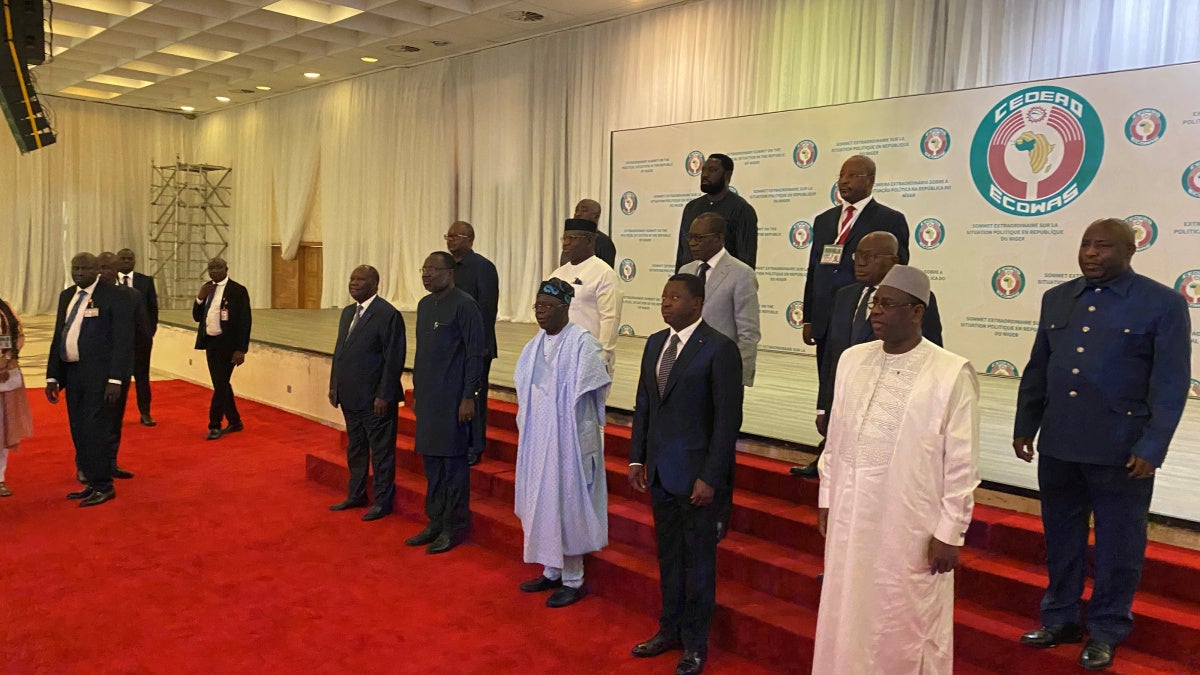
Thirdly, all three have formally withdrawn from the Economic Community of West African States (ECOWAS).
This third development is more intricately linked to the first two than one might initially assume.
ECOWAS is home to an institution called the Community Court of Justice. Since 2005, this court has been empowered to hear human rights cases filed by citizens of member nations. Significantly, individuals could appeal directly to the ECOWAS Community Court of Justice without first exhausting their local court systems.
The Court has issued landmark human rights decisions, some of which directly involved Burkina Faso, Mali, and Niger.
It is therefore not difficult to understand why the military juntas in these countries—whose security forces are responsible for severe human rights violations—would want to leave ECOWAS. Doing so allows them to evade accountability by removing these crimes from the Court’s jurisdiction.
This is a highly convenient tactic for them.
But it is a disaster for the victims of abuses and crimes perpetrated by the juntas, as they lose an essential avenue for seeking justice.
Their domestic legal options are, of course, already compromised. The military authorities in Burkina Faso, Mali, and Niger conduct scant investigations, if any, into the security forces, armed groups, and other actors responsible for serious abuses during ongoing armed conflicts, and prosecutions are even rarer.
As a result, victims now have even fewer options for recourse.
Within the new confederation formed by the three countries, it is apparent that justice and accountability are not high on the agenda.
A Malian political activist, currently in exile in France, encapsulated the situation last week:
“ From the moment they took power through force, these military regimes have consistently neglected to bring those responsible for egregious human rights violations to justice […]. This recent move serves only to underscore their contempt for human rights and the rule of law.”