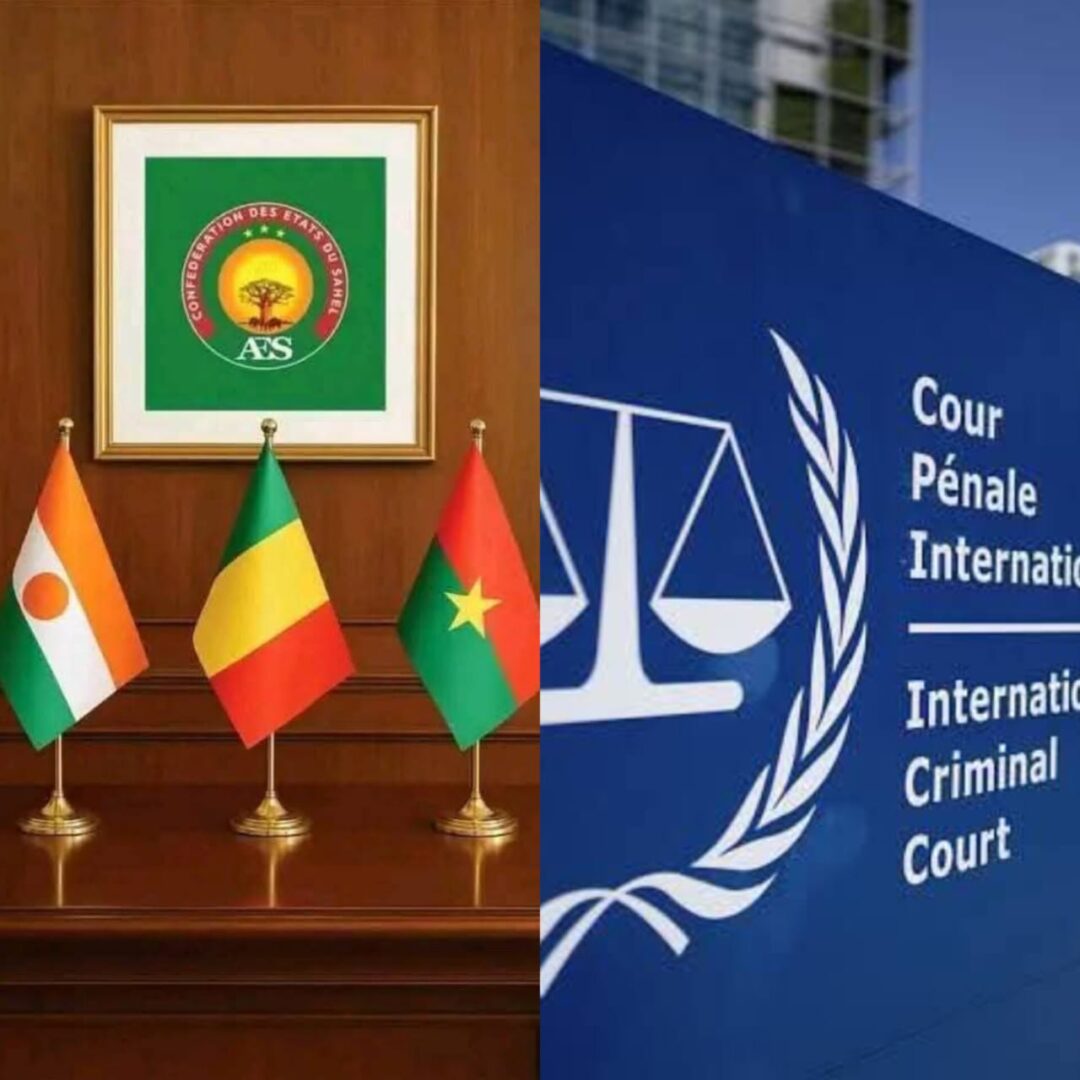
The Sahel region has taken a bold step by announcing its withdrawal from the International Criminal Court (ICC), sparking a debate about the future of global justice.
The move, which includes Burkina Faso, Mali and Niger, raises questions about whether a truly universal justice system can survive in an increasingly fragmented world.
The ICC has long been criticized for its perceived bias towards Western powers, with some arguing that it prioritizes the interests of powerful nations over those of weaker ones.
The Sahel region’s decision to opt out of the ICC is seen as a response to what they perceive as the court’s failures to address human rights abuses in their countries.
The move could also be seen as a challenge to the dominance of Western powers in international justice, with some arguing that it marks a shift towards a more decentralized and equitable system.
However, critics argue that the Sahel region’s decision may simply allow authoritarian regimes to avoid accountability for their actions.
Ultimately, the future of global justice will depend on how effectively regional and continental institutions can address human rights abuses and promote accountability in a way that is responsive to the needs of all nations and peoples.
The decision by the Sahel region to withdraw from the ICC serves as a reminder that the pursuit of justice is complex and multifaceted, requiring a nuanced understanding of the historical, cultural and political contexts in which it operates.