In the shadows of Central Africa, the Wagner Group has quietly built an opioid empire.
Once weakened by the death of its founder Evgueni Prigojine in 2023, this Russian paramilitary force has found new life in the Central African Republic (CAR) through the illicit trade of tramadol, a potent opioid often dubbed the “poor man’s cocaine.”
Originally prescribed for mild pain, tramadol is being rebranded in the region with significantly higher concentrations, transforming it into a powerful stimulant. According to The Wall Street Journal, this drug trade has given Wagner a critical boost, cementing its influence in a country where oversight is minimal.
A strategic stronghold in Central Africa
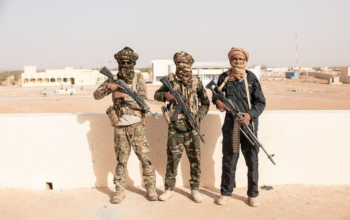
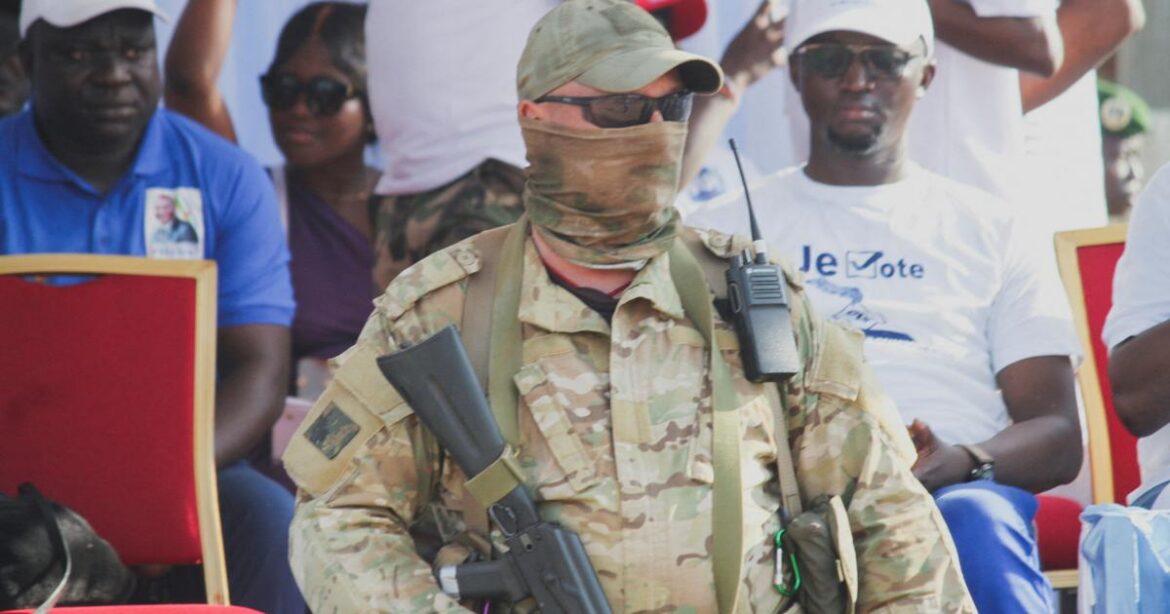
The Wagner Group has maintained a strong presence in the CAR since 2018, now led by Pavel Prigojine, son of the late oligarch. Despite Russia’s official shift toward the state-backed Africa Corps, Wagner continues to operate unchecked in Bangui. The country’s weak governance and vast mineral wealth—including gold, diamonds, and uranium—make it an ideal hub for illicit activities.
Gold, weapons, and opioids: a lucrative trifecta
Wagner’s operations in the CAR extend far beyond drug trafficking. The group controls gold mines, generating an estimated $180 million (€160 million) in annual profits, according to the Global Initiative. These operations are intertwined with the group’s alleged “control over the state,” as noted by the U.S. Pentagon-funded Center for Strategic Studies in Africa.
The tramadol trade, imported from the Democratic Republic of the Congo via river routes, is distributed across the CAR through a network of local shops. Wagner-linked operatives manage its flow, not only within the country but also into neighboring regions, often at inflated prices.
Beyond economics, the drug serves a darker purpose. It is reportedly supplied to “elite presidential guards and the ‘Sharks,’ a pro-Russian youth militia conducting armed patrols in Bangui and targeting opposition figures and miners working for Wagner.” The opioid is even given to combatants involved in counter-insurgency operations to “enhance their fighting spirit.”
Expanding influence: from CAR to Sudan and beyond
Experts quoted in The Wall Street Journal warn that Wagner’s footprint may be growing. There are concerns the group is leveraging ties with the Rapid Support Forces (RSF) in Sudan, where operations are expanding near the CAR border, to further its drug and arms networks.