A fractured alliance
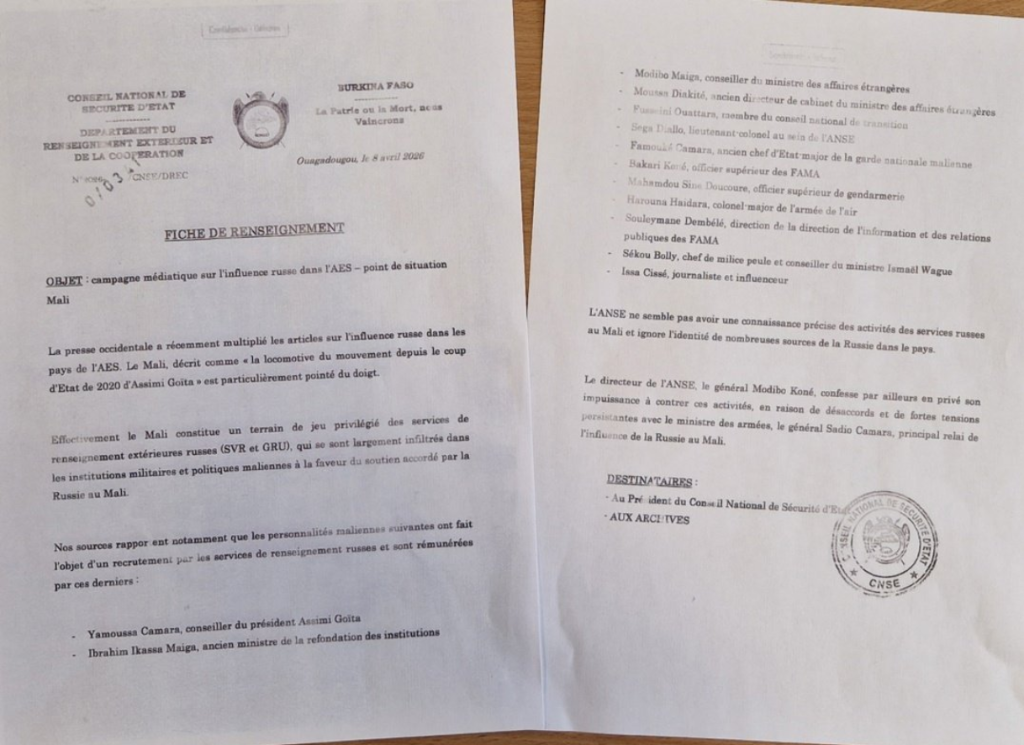
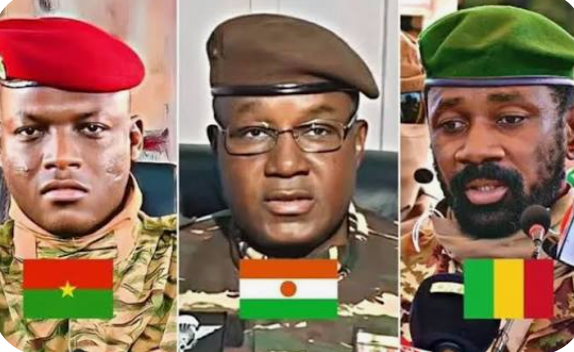
The Alliance of Sahel States (AES), a bloc designed to unite Mali, Burkina Faso, and Niger against external threats, is navigating a period of unprecedented turmoil. While official statements champion solidarity, a confidential memo from Burkina Faso’s intelligence services has sent shockwaves through the coalition. This document suggests that the government in Bamako may no longer be the sole master of its decisions, but rather has been extensively infiltrated by Russian networks of influence.
A disturbing list of names
According to the intelligence from Burkina Faso, the infiltration extends far beyond a few field instructors, allegedly reaching the very heart of the Malian state. The memo names key figures who are said to be operating within Moscow’s orbit.
Among those listed are advisors very close to President Assimi Goïta, such as Yamoussa Camara, as well as figures in administration and diplomacy like Modibo Maïga and Moussa Diakité. High-ranking military officers, including Bakari Koré and Harouna Haidara, are also named, along with media and militia leaders, notably Sékou Bolly and the journalist Issa Cissé.
This list suggests a complex web has been woven around Malian institutions. For Ouagadougou, this finding is alarming: if Bamako’s decisions are dictated or influenced by Russian interests, the entire joint strategy of the AES is skewed.
Sovereignty under scrutiny
The great irony of this situation lies in the AES’s watchword: sovereignty. In its stated desire to break with former Western influences, Mali seems to have swung the doors wide open to new actors. But at what cost?
Some sources within the alliance believe the country is merely trading one dependency for another. The role of foreign mercenaries and behind-the-scenes advisors is a source of concern for neighboring Niger and Burkina Faso. They fear that Mali’s military and political choices no longer serve the region’s interests, but rather Russia’s geopolitical agenda. This mistrust is creating palpable tensions, especially with Niger, which is warily observing this foreign hold over a strategic partner.
The AES facing an internal crisis
Today, the future of the alliance hangs in the balance. How can a common defense be built if one of the members is suspected of having “resigned” from its own sovereignty? The leak of this note shows that Burkina Faso is beginning to distance itself from Mali’s leadership, fearing that instability or choices imposed by Moscow could ultimately spill across the entire Sahel.
The question is no longer just whether the AES can win the war against insecurity, but whether it can survive its own internal divisions. For many observers, if Mali fails to reclaim control of its national destiny, the alliance could collapse as quickly as it was created, a victim of the foreign influence its founders swore to fight.