When reflecting on the legacy of Patrice Talon, one specific achievement stands out above all others: the road. Over the course of a decade, the Head of State has fundamentally reshaped Benin. What were once dusty paths have been converted into smooth bitumen, and dilapidated tracks filled with potholes have been replaced by modern thoroughfares. From the bustling hub of Cotonou to the most isolated rural settlements, the leader of the “Rupture” has placed development directly beneath the feet of the Beninese people. As his time in office nears its conclusion, his monumental impact on the nation’s infrastructure remains the most visible and impressive hallmark of his administration.
A strategic vision for national prosperity
In 2016, Patrice Talon inherited a country struggling with a crumbling transport network. He recognized early on that without fluid movement, there could be no true prosperity. Economic growth, accessible healthcare, and reachable schools all depend on reliable transit. His vision was clear: Benin needed to be decongested. It was essential to link agricultural fields to markets, open up the hinterland, and attract global investors by creating clean, well-connected urban centers. Ten years later, the results speak for themselves, and the gamble has clearly paid off.
Record-breaking road construction figures
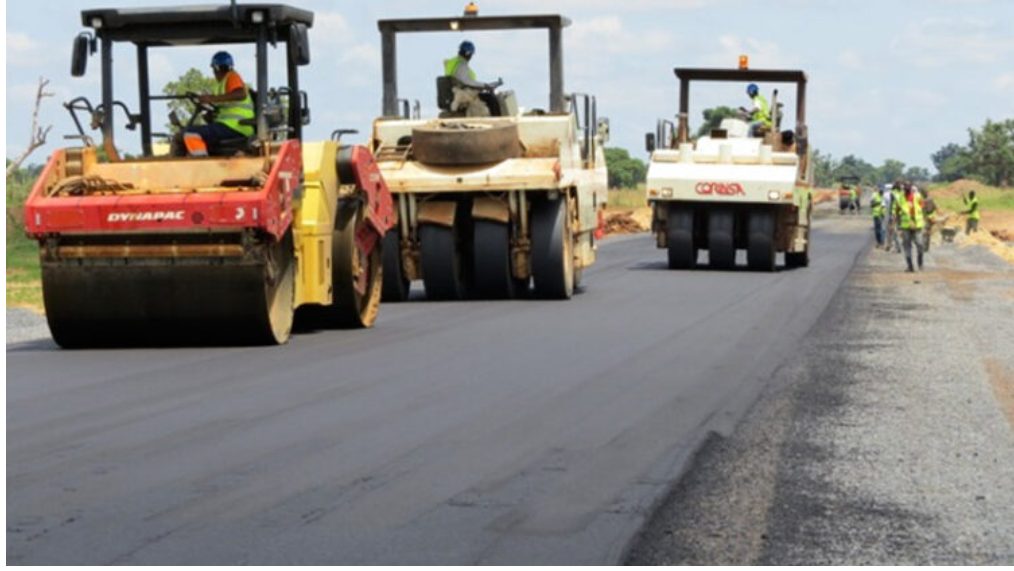
Benin has never experienced such an intense period of infrastructure development. Official data confirms that over 2,000 kilometres of roads have been paved, with more than 1,100 kilometres currently under construction. For thousands of families, this means a life free from the clouds of dust that once plagued their homes. For farmers, it means transporting harvests without the risk of vehicle damage. For parents, it ensures a safer journey to school for their children. Formerly isolated municipalities are now integrated into a vibrant, connected national network.
The Asphaltage project: A revolution in urban planning
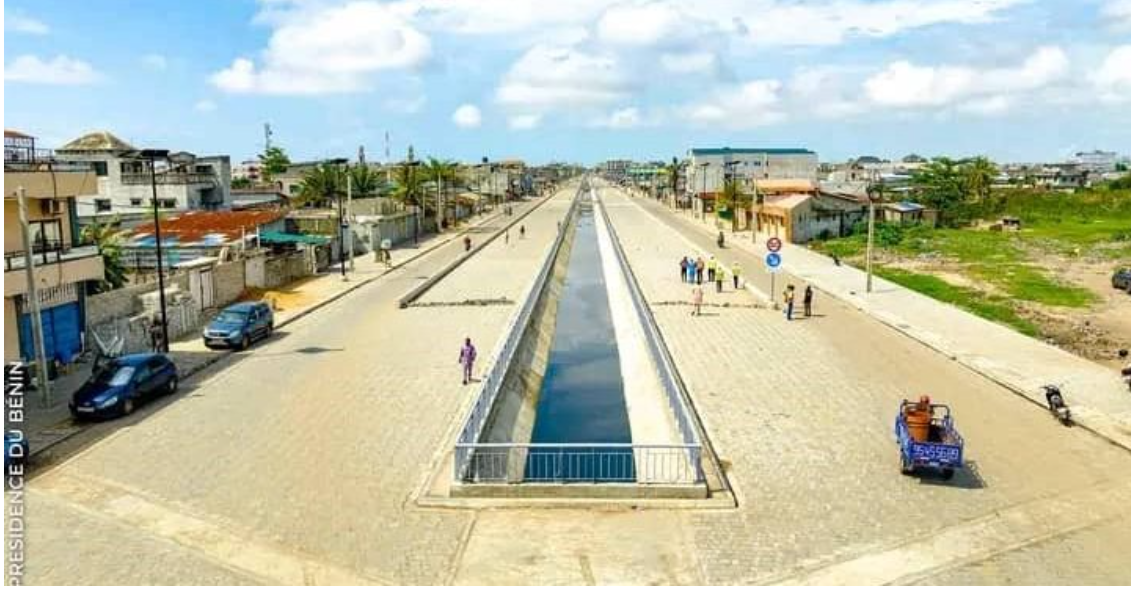
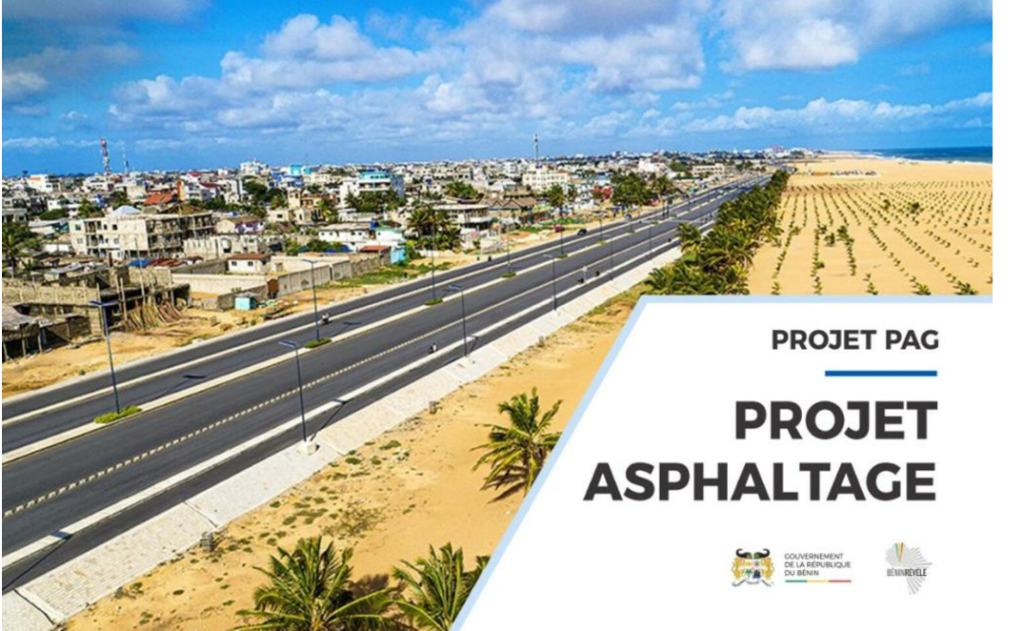
Among the many initiatives launched, the “Asphaltage” program has become a household name. This urban renewal project brought a complete transformation to Cotonou, the economic heart of the nation, as well as the political capital, Porto Novo. It extended to Parakou in the north and beautified cities like Abomey-Calavi, Djougou, Kandi, and Ouidah. Through this program, these urban centers have been completely revitalized, restoring dignity to neighborhoods that had been neglected for decades.
Today, navigating Cotonou has become a seamless experience. The days of deep potholes damaging vehicles and muddy swamps trapping pedestrians during the rainy season are over. The suffocating dust of the dry season has vanished. Citizens are rediscovering their country, finding pride in streets where children can play safely and traders can set up shop without fear of stagnant water. Furthermore, emergency services like ambulances and fire trucks can now respond much faster, proving that these paved roads are literally saving lives.
Connecting Benin to the rest of the region
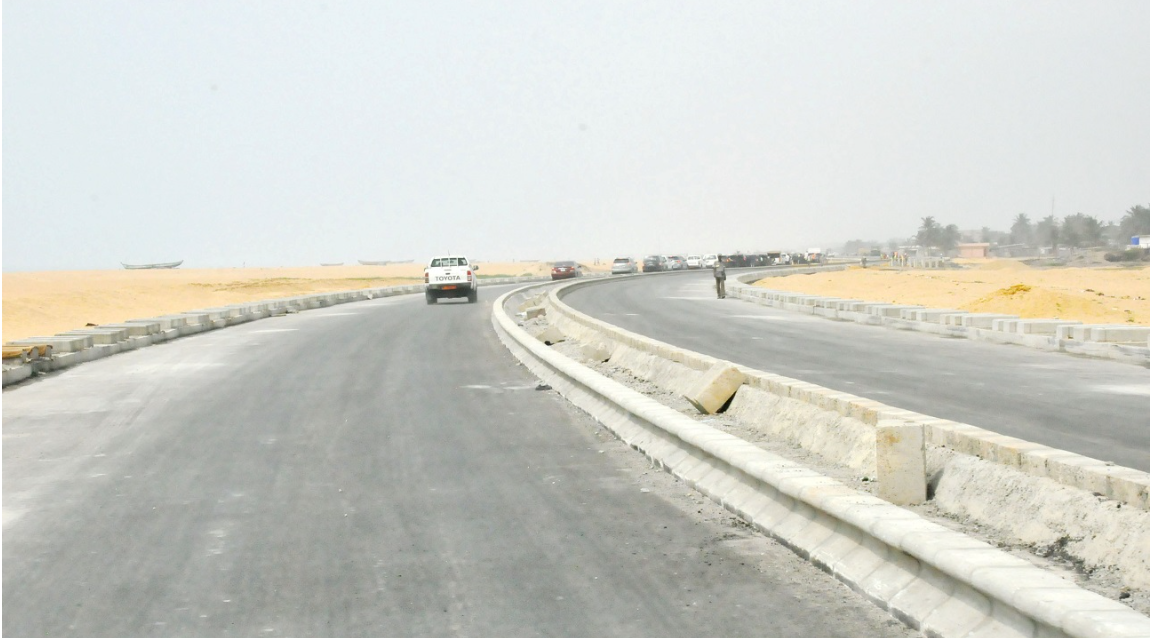
President Talon’s ambitions reached far beyond local city streets. He prioritized large-scale projects of regional importance, such as the total rehabilitation of the Cotonou-Niamey corridor. This vital artery facilitates non-stop trade between Benin and Niger. Similarly, the Route des Pêches has undergone massive upgrades, accompanied by the rapid construction of modern bridges and the doubling of lanes to ease traffic flow. Travel times that once took hours have been reduced to minutes, positioning Benin as an essential transit hub for neighboring countries.
A legacy of dignity and economic growth
Perhaps the most significant change is the shift in public perception. The average citizen no longer complains about the state of the roads; instead, they eagerly anticipate which city will be the next to benefit from modernization. This newfound pride is shared by locals and visitors alike, while foreign investors see a nation that is moving forward with purpose.
Patrice Talon has achieved what many thought impossible, laying more bitumen in ten years than all previous administrations combined. He has opened up neglected regions, allowed markets to flourish along new routes, and made agricultural land accessible, triggering a local economic boom. Today, international partners and financial institutions recognize Benin’s progress. Under Talon, the road is more than just infrastructure; it is a symbol of progress, dignity, and a nation marching confidently toward the future. This is an indelible legacy etched into both the soil and the hearts of the people.