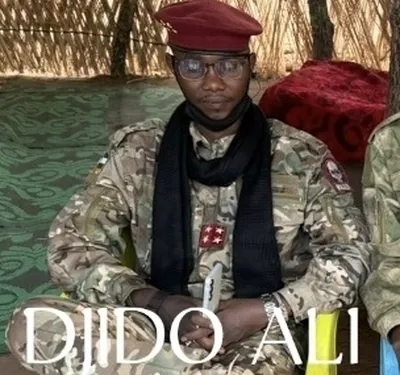
The Central African Republic has witnessed a dramatic shift in military leadership after Ahmat Chaltout, the recently installed Chief of Staff of the Movement of Central African Patriots (MPC), stepped down under intense pressure from foreign mercenary forces. The transition places Didot Ali, the former MPC Chief of Staff, at the helm of the armed group.
Mercenary influence reshapes Central African military leadership
The sudden change in command follows weeks of escalating tensions between rival factions within the MPC, a prominent armed group operating in the Central African Republic. Reports indicate that foreign mercenaries, widely believed to be Russian nationals, played a decisive role in pressuring Chaltout to relinquish his position.
Didot Ali, who previously served as the MPC’s Chief of Staff, has now taken over leadership of the group. His appointment marks a significant shift in the balance of power within the movement, as foreign-backed influence continues to shape the Central African Republic’s security landscape.
What this means for Central Africa’s security dynamics
This leadership change comes at a critical juncture for the Central African Republic, where armed groups and foreign actors increasingly influence national security. The MPC’s decision to elevate Didot Ali reflects broader struggles for control among factions vying for dominance in the region’s volatile political environment.
The presence of foreign mercenaries has been a contentious issue, with critics alleging their involvement in destabilizing the country. The Central African government has yet to comment publicly on the leadership transition or the role of external forces in the matter.
Key takeaways from this military reshuffle
- Ahmat Chaltout’s departure follows intense pressure from foreign mercenaries, signaling a shift in the MPC’s internal power structure.
- Didot Ali’s rise as the new Chief of Staff underscores the growing influence of external actors in Central African military affairs.
- Broader implications for regional stability as foreign-backed factions continue to shape the Central African Republic’s security landscape.