President Félix Tshisekedi of the Democratic Republic of the Congo (DRC) has unexpectedly shifted course to announce plans for an inclusive national dialogue. The decision follows a pivotal meeting with religious leaders in Kinshasa, a gathering long demanded by opposition factions and civil society groups.
For over a year, pressure has mounted on the head of state to initiate such a process, aimed at fostering unity and addressing deep-rooted political tensions. Yet, this latest move remains largely symbolic until concrete steps are taken. The president must now issue an official decree, appoint facilitators, define their mandates, and set a clear timeline and framework for discussions. The stakes are high, as failure to act swiftly could undermine public trust and escalate unrest.
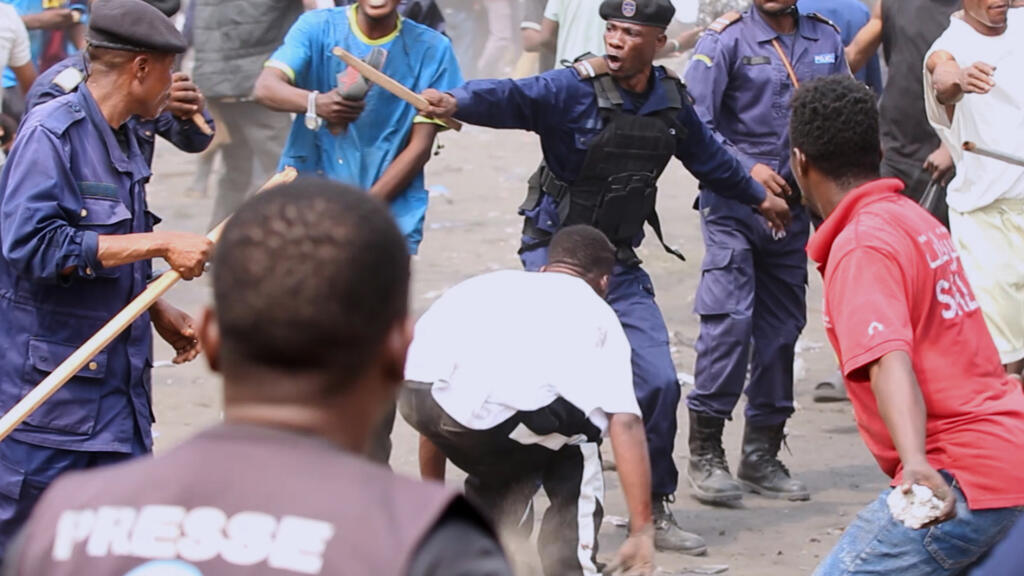
What prompted the president’s change of heart?
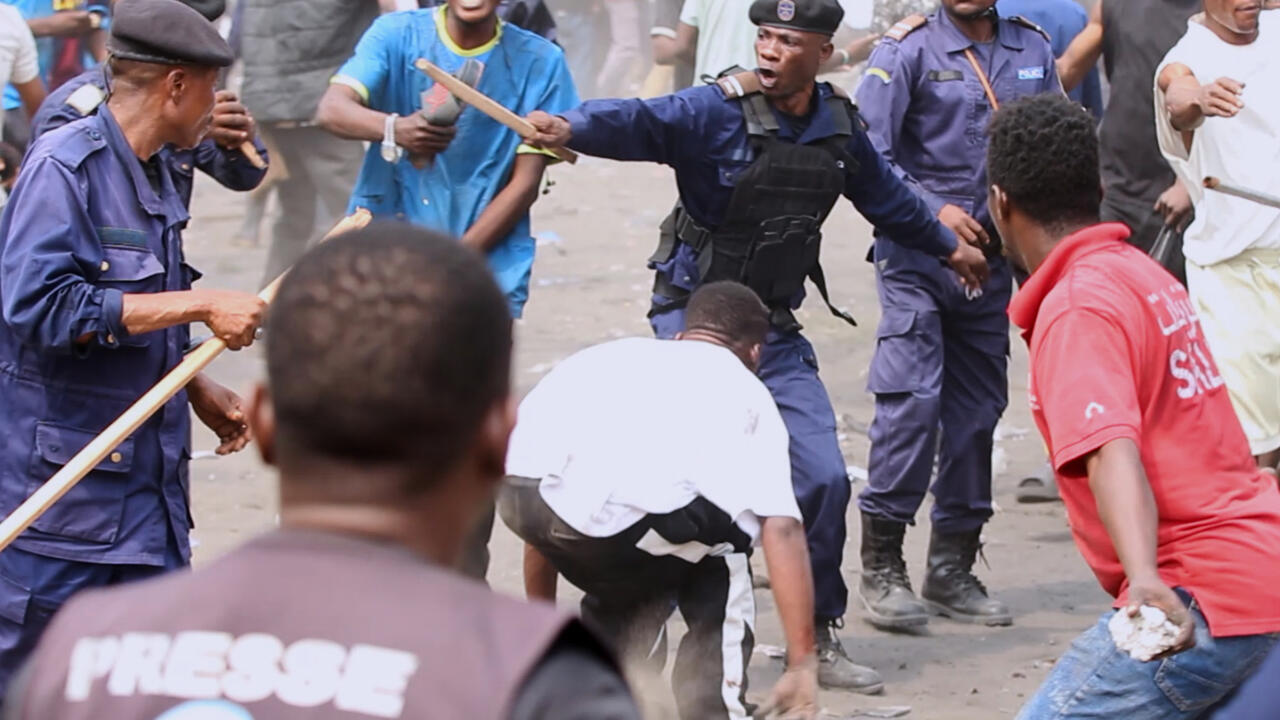
The president’s decision to pursue an inclusive dialogue comes after months of mounting pressure from opposition groups, particularly the C64 platform, which had planned a major protest for July 22. In a rare gesture of compromise, the coalition agreed to postpone the demonstration, but set an August 15 ultimatum for the government to formally launch the dialogue. The opposition’s willingness to delay action signals a fragile but significant window for negotiation.
Analysts suggest the president’s shift may reflect a strategic response to both internal and external pressures. With public frustration over governance and constitutional reforms growing, Tshisekedi may be seeking to regain political momentum and prevent further destabilization. The involvement of religious leaders in the discussions underscores the moral and social weight behind the initiative, potentially strengthening its legitimacy.
What’s next for the dialogue?
While the president’s announcement marks a crucial first step, the road ahead remains uncertain. Key challenges include:
- Timing and credibility: Can the government issue the required decree and appoint facilitators within the 23-day window set by the opposition?
- Inclusivity and representation: Will all major political and social factions be genuinely included, or will the process be perceived as a government-led maneuver?
- Outcome and implementation: What mechanisms will ensure the dialogue’s recommendations are not just discussed but acted upon?
The coming weeks will test the government’s commitment to transparency and reform. If handled successfully, the dialogue could pave the way for national reconciliation. If mishandled, it risks deepening divisions and fueling further unrest.
For now, all eyes are on Kinshasa as the DRC stands at a crossroads between dialogue and division.