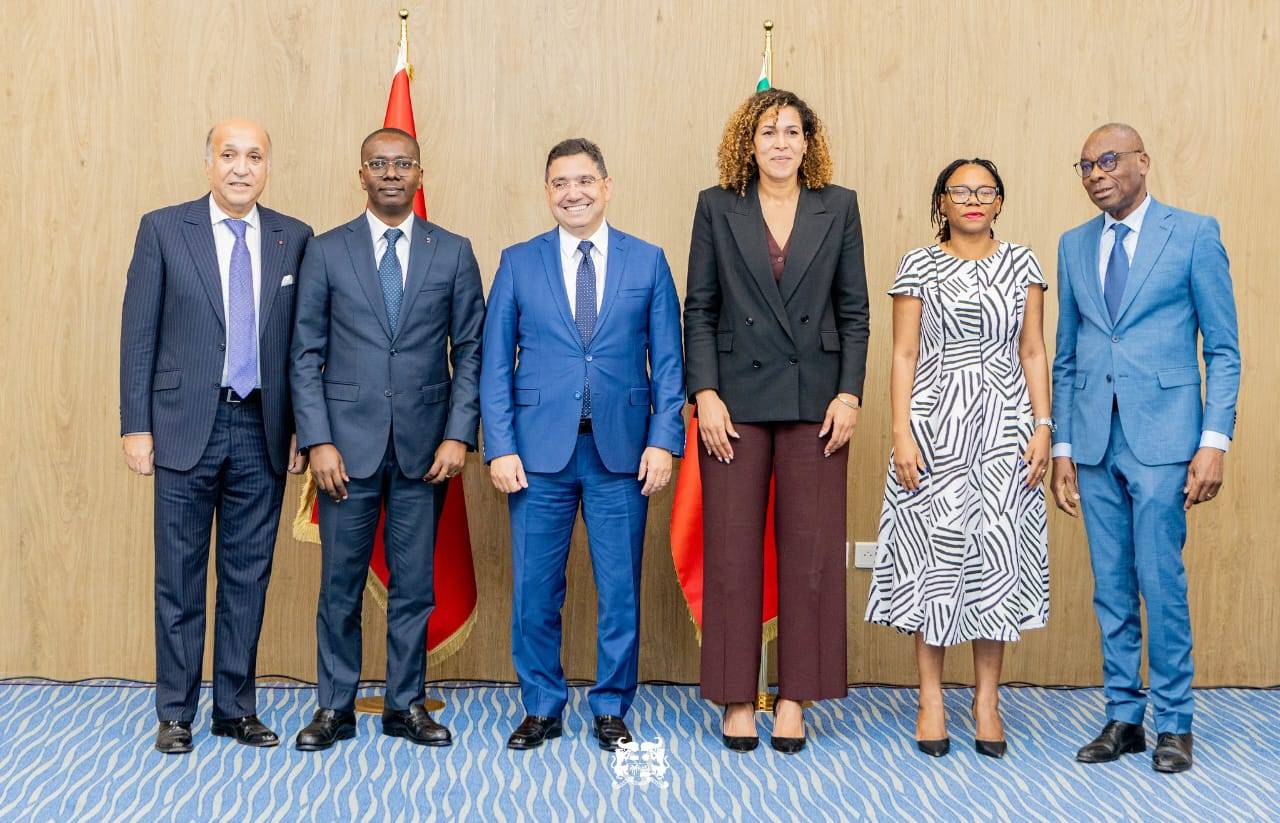
In a landmark gathering that underscored the deepening bonds between West African and North African economies, Cotonou and Rabat concluded the 7th session of the Benin-Morocco Joint Cooperation Commission with the signing of 14 strategic agreements. The momentum generated in Benin’s economic capital reflects a shared vision for sustainable development, trade expansion, and mutual prosperity across the continent.
Diplomatic unity drives new chapter in Bénin-Morocco relations
The high-profile meeting convened in Cotonou on July 21, 2026, brought together senior government officials, including Benin’s Minister of Higher Education, Sèdami Medegan Fagla, and Morocco’s Minister of Foreign Affairs, African Cooperation, and Moroccans Abroad, Nasser Bourita. The sessions highlighted not only the progress made in bilateral ties but also the bold steps needed to accelerate economic integration.
Speaking on behalf of Morocco, Bourita praised Benin’s democratic resilience and the forward-looking policies of President Romuald Wadagni. He reaffirmed Morocco’s commitment to becoming a cornerstone partner in Benin’s growth, emphasizing shared values and long-term strategic alignment.
Economic cooperation takes center stage: unlocking shared growth
The summit placed a strong emphasis on practical outcomes, focusing on financial attractiveness, value creation, and cross-border trade. As global markets remain volatile, the South-South cooperation model championed by both nations is emerging as a vital engine for economic resilience.
Benin’s Minister of Foreign Affairs and Afrodescendant Integration, Corinne Amori Brunet, emphasized the transformative potential of these partnerships: “By pooling our resources, expertise, and ambitions, we are not just signing agreements—we are building a future of shared prosperity.”
Key sectors such as banking, port logistics, and agro-processing were identified as pillars for collaboration, with Morocco’s proven capabilities offering clear synergies for Benin’s ongoing modernization drive.
14 agreements to reshape bilateral and regional dynamics
The signing of 14 comprehensive cooperation agreements marks a turning point in the relationship. These accords span multiple domains—economy, trade, industry, finance, education, research, security, sports, and cultural exchange—creating one of the most robust legal frameworks in West Africa.
Among the highlights:
- Trade and investment facilitation: mechanisms to simplify market access and protect investments, fostering a conducive environment for private-sector growth.
- Academic and vocational mobility: expanded scholarships, joint research programs, and technical training initiatives to build a skilled workforce.
- Security and cultural cooperation: strengthened collaboration in areas critical to regional stability and social cohesion.
From vision to action: Rabat next stop on the partnership roadmap
The agreements are not mere declarations—they are actionable roadmaps. With preparations already underway for the next session in Rabat, both countries are signaling an unwavering commitment to implementation. Brunet concluded the summit with a clear message: “These are not empty promises. We will soon be in Rabat to translate every clause into tangible progress.”
A blueprint for continental integration
By balancing economic ambition with security imperatives and cultural exchange, Cotonou and Rabat are demonstrating how pragmatic bilateral alliances can drive Africa’s integration. As implementation begins, the focus now shifts to the first concrete financial and industrial outcomes—signals that this partnership is more than symbolic, but a catalyst for transformative change.