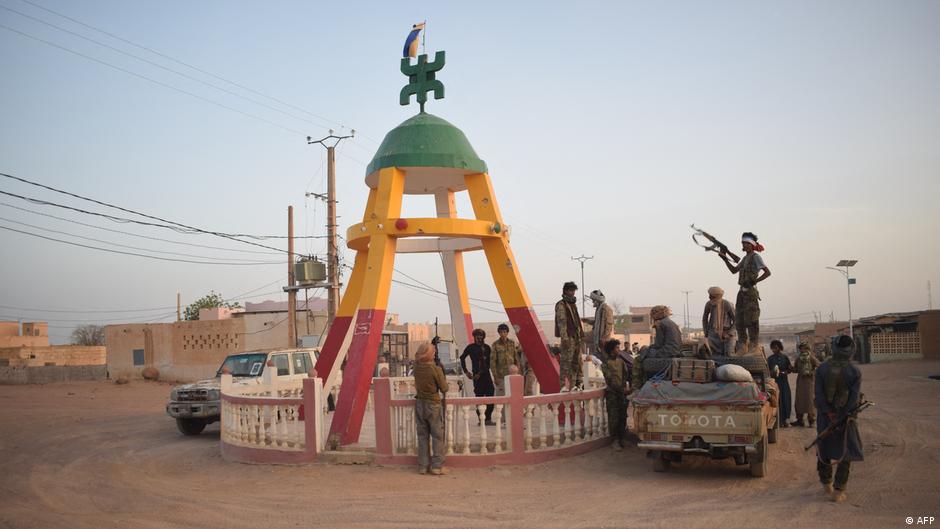
The recent wave of coordinated offensives across multiple Malian cities has intensified debates over the country’s political future. Attacks simultaneously struck Bamako, Kati, Kidal, Gao, Sévaré and Mopti, with both the Front de Libération de l’Azawad (FLA) and the Group for the Support of Islam and Muslims (JNIM) claiming responsibility.
Military leadership under scrutiny
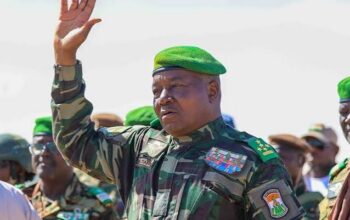
General Assimi Goïta, head of Mali’s transitional government, resurfaced publicly following the three-day siege, appearing alongside the Russian ambassador to Bamako. In his address, the junta leader praised “the strength of cooperation with the Russian Federation”, though insiders reveal that Africa Corps mercenaries have already begun negotiating their withdrawal from Kidal—a city recently recaptured by FLA rebels who now demand their complete exit from Malian territory.
National mourning and security challenges
On Thursday, April 30, 2026, Mali paid solemn tribute to General Sadio Camara, the Defence Minister killed in a jihadist raid on his residence just days prior. The attack underscored the persistent security vacuum gripping the nation despite ongoing counterterrorism efforts.
What strategic lessons emerge from these escalations? That question anchored a high-profile panel discussion moderated by journalist Éric Topona, featuring leading voices in Mali’s intellectual and political spheres:
- Étienne Fakaba Sissoko – Renowned economist and spokesperson for the Coalition des Forces pour la République (CFR), led by imam Mahmoud Dicko. Author of *L’État et le mensonge au Sahel*, his work dissects governance failures in African military regimes.
- Tiambel Guimayara – Veteran Malian journalist and editor-in-chief of LaVoix du Mali, offering frontline insights into the crisis.
- Frédéric Samy Passalet – Francophone literature scholar and conflict prevention expert. His book *Les marionnettes de Poutine en Afrique* examines external influences in regional instability.
- Teehl Loé Konaté – Project coordinator and panafricanist analyst, serving as secretary-general of Deux heures pour Kamita, a civil society think tank focused on cultural and historical foresight.
The debate probed whether diplomatic avenues could still offer a viable path forward amid escalating violence and shifting alliances.