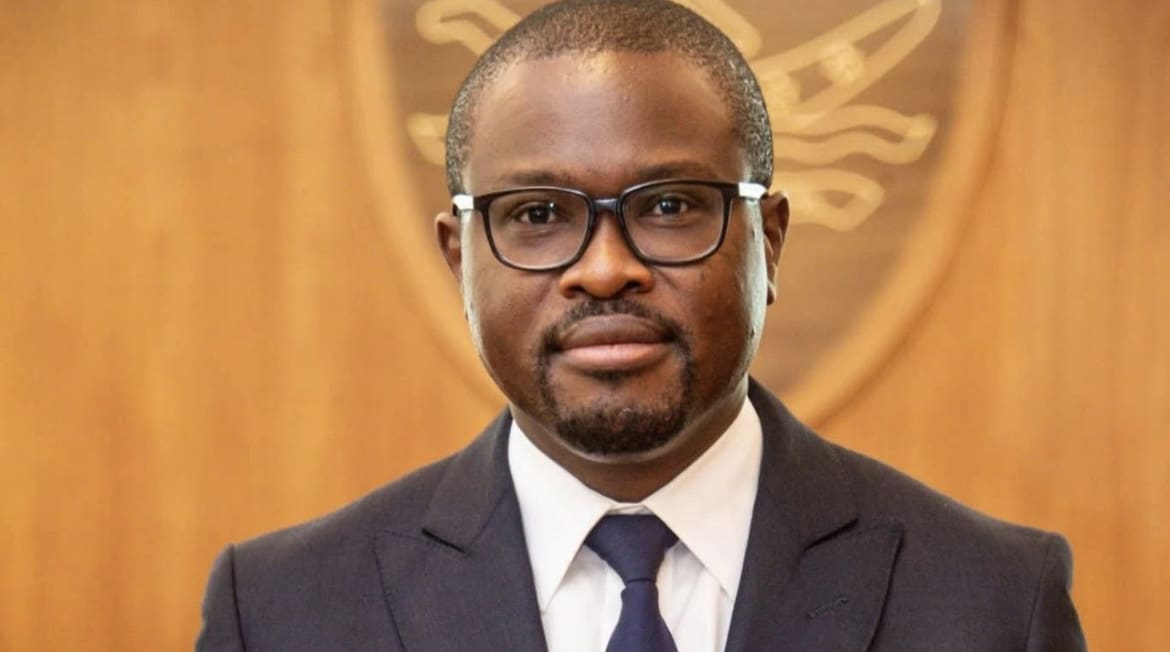
The transfer of authority has now been formalized. Originally slated to take place at the Stade Charles de Gaulle in Porto-Novo, the inauguration ceremony for Romuald Wadagni will instead be held at the Palais des Congrès in Cotonou. Far from being a mere logistical adjustment, this decision underscores political coherence and pays homage to the modernizing pragmatism that defines contemporary Benin.
Progress over ceremonial display
By relocating the event to coincide with the groundbreaking ceremony for the reconstruction of Porto-Novo’s administrative capital stadium, the government sends a clear message to the public. By prioritizing a major infrastructure project over a high-profile celebration, it reaffirms the sanctity of the Programme d’Action du Gouvernement (PAG) timeline.
This decision reflects a deliberate choice to prioritize long-term development over fleeting prestige. The modernization of Porto-Novo’s sports infrastructure represents a lasting investment in the city’s youth and international standing. Sacrificing the spectacle of a large-scale public gathering in favor of immediate progress illustrates a governance approach firmly rooted in future-oriented thinking.
The Palais des Congrès: a hub of excellence
While stadiums traditionally symbolize public enthusiasm, the Palais des Congrès in Cotonou embodies solemnity and expertise. For Romuald Wadagni, a leading figure in Benin’s economic rigor, this setting is particularly fitting.
The refined ambiance of the Palais aligns with the stature of a leader who has enhanced Benin’s financial reputation on global markets. It represents a shift from the conventional political arena to a forum for strategic decision-making. Additionally, the venue offers optimal logistical support for hosting international delegations and investors, reinforcing Benin’s image as a structured and “Ready for Business” nation.
A consensus-driven approach to public good
This change in venue also helps dispel criticism regarding the use of public assets. By freeing the stadium for immediate renovation, the government avoids compromising an infrastructure already earmarked for transformation.
Rather than viewing this as a constraint, it transforms a technical challenge into an opportunity for positive communication: “Development does not pause, even for an inauguration.” This decision exemplifies the triumph of pragmatism over populism.
Ultimately, Romuald Wadagni’s inauguration at the Palais des Congrès in Cotonou should not be seen as a retreat but as an elevation in prestige. By ensuring the modernization of Porto-Novo’s stadium proceeds without delay, organizers demonstrate that the man being inaugurated embodies the vision of President Patrice Talon: a Benin where every moment counts toward national transformation. Spectacle may take a backseat; development, however, does not wait.