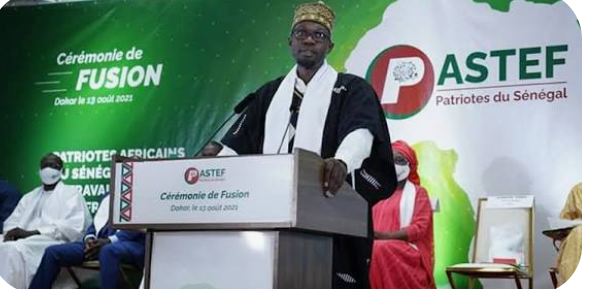
The Senegalese political landscape is witnessing a significant shift as the Pastef party undergoes a comprehensive internal restructuring led by its prominent leader, Ousmane Sonko. This strategic move aims to enhance the party’s institutional framework, ensuring it meets the evolving demands of modern partisan governance.
This overhaul spans multiple organizational layers, including leadership bodies and operational arms. Key changes involve fresh appointments, a redistribution of responsibilities, and a clearer definition of roles across all party structures. The overarching goal is to streamline decision-making, boost operational efficiency, and deepen the party’s nationwide presence.
By optimizing its organizational structure, Pastef seeks to fortify its political readiness for upcoming elections and strengthen its influence in national discourse. The reform arrives at a pivotal moment in Senegal’s political evolution, where parties must adapt to shifting citizen expectations and increasing public scrutiny.
Political analysts view this initiative as a pivotal step toward bolstering Pastef’s credibility and reinforcing its grassroots support. More broadly, the restructuring signals a broader trend of modernization and professionalization sweeping through Senegal’s political party system.