Diplomatic contradictions: accusing while seeking cooperation
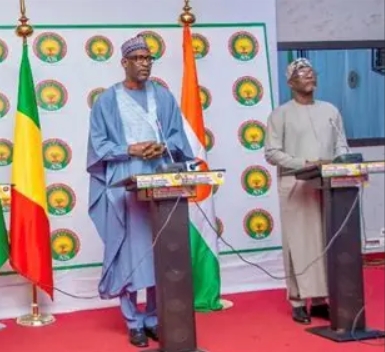
The foreign ministers of Niger and Mali have recently delivered a message that raises eyebrows. On one hand, they vehemently accuse neighboring West African states within the Economic Community of West African States (ECOWAS) of backing armed terrorist groups. On the other, they express willingness to collaborate with these same nations on specific issues. This inconsistent stance—alternating between hostility and cooperation—reveals an uncomfortable truth: severing ties with a regional bloc is not as simple as a political declaration.
Credibility at stake
The accusations leveled against ECOWAS members are severe, yet the proposal for joint initiatives immediately afterward creates a paradox. In international relations, credibility hinges on consistency. If a government publicly brands its neighbor an accomplice to attacks on its own soldiers, it undermines its position to later propose economic partnerships.
The repercussions are clear: such erratic behavior risks portraying Sahelian authorities as unreliable partners in the eyes of the global community. Development cannot be negotiated with entities labeled as enemies of the state.
Geography’s unyielding grip: trade and survival
The decision to withdraw from ECOWAS was framed as a move toward ‘total independence.’ Yet geography remains an unassailable force that resists political rhetoric.
Dependence on maritime trade
Both Mali and Niger are landlocked nations, entirely reliant on coastal neighbors for essential imports such as rice, sugar, medicines, and construction materials. Their survival depends on ports in Cotonou, Lomé, and Abidjan, making trade routes non-negotiable.
The economic fallout of severed ties would be catastrophic. Transportation costs would skyrocket, pushing already struggling citizens into deeper hardship. By expressing a desire to cooperate, the ministers tacitly acknowledge a hard reality: the Alliance of Sahel States (AES) cannot function in isolation.
The illusion of keeping benefits without adhering to rules
Withdrawing from ECOWAS was a bold political statement aimed at appeasing domestic sentiment. However, the attempt to retain technical advantages of the bloc while rejecting its rules is a flawed strategy.
Political rupture vs. economic necessity
The message is clear: these nations seek to distance themselves from the old regional order. Yet they simultaneously demand the free flow of goods and capital—a contradiction that cannot endure.
Withdrawing from an alliance while expecting to retain its privileges is akin to quitting a club and demanding to keep the keys. Cooperation is a two-way street built on trust. By dismantling the political contract, they jeopardize the legal security of their own traders and investors.
From outrage to practical solutions
Anger may resonate in the short term, but it is not a substitute for foreign policy. Publicly denouncing neighbors might score political points, but it fails to address hunger or insecurity.
Terrorism doesn’t respect borders
Terrorism is a cross-border menace that thrives in fractured relationships. Combating it requires genuine collaboration between intelligence services and military forces across the region. Dividing neighboring countries only serves to embolden terrorists who exploit these rifts.
True sovereignty: more than just rhetoric
Niger and Mali are discovering that a complete exit from ECOWAS poses immense economic challenges. Genuine sovereignty extends beyond symbolic independence—it encompasses a state’s capacity to feed its people, heal its sick, and protect its cities. Good neighborliness is not optional; it is essential. Prioritizing propaganda over tangible realities only deepens the hardship faced by citizens.