The Democratic Republic of Congo (DRC) is grappling with a severe Ebola epidemic, which has tragically claimed 438 lives out of 1,406 recorded cases. This alarming figure, reflecting a fatality rate of 31.2%, was recently updated by the National Institute of Public Health (INSP).
Officially declared on May 15, this particular outbreak is attributed to the Bundibugyo virus strain. A significant challenge in controlling its spread is the current absence of an approved vaccine or specific treatment for this variant. However, health authorities confirm that clinical trials are actively underway, offering a glimmer of hope for future interventions.
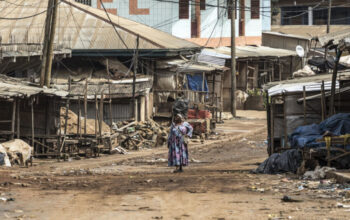
The province of Ituri remains the primary hotbed of the contagion, accounting for a staggering 91.2% of confirmed infections and 83.6% of all related deaths. While the virus has also been detected in the neighboring provinces of Nord-Kivu and Sud-Kivu, the latter has not reported any new confirmed cases since May 26, indicating a potential stabilization in that region.
A concerning development emerged with the confirmation of a case in Kisangani, the capital of Tshopo province, situated nearly 600 kilometers from the epidemic’s core. Investigations revealed that the deceased, a 24-year-old woman six months pregnant, tested positive for the virus. According to the INSP, her body was illicitly transported by motorcycle from the Nia Nia health zone in Ituri. This clandestine movement underscores the critical risk of transmission associated with the remains of Ebola victims, particularly during traditional funeral rites.
Furthermore, the adjacent province of Haut-Uélé has reported one fatality and a new infection. Authorities are actively searching for the newly infected individual, who is known to have departed from the Nia Nia health zone.
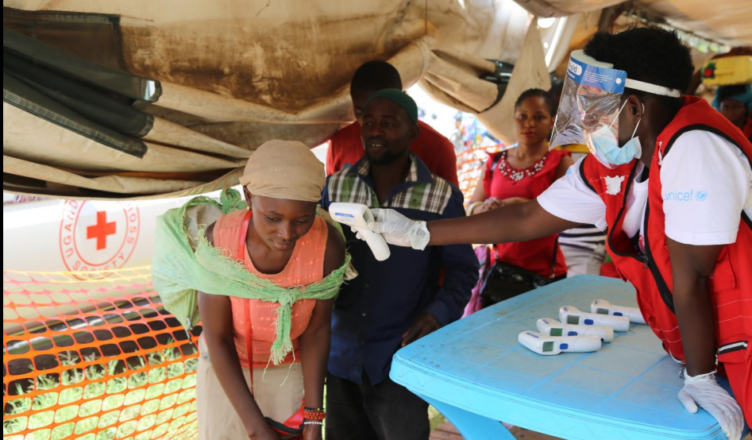
Despite these new occurrences, health officials continue to categorize the cases in Tshopo and Haut-Uélé as ‘imported’ infections originating from Ituri. Consequently, only three provinces are formally recognized as being affected by the epidemic. Nevertheless, extensive contact tracing efforts have identified several individuals who were exposed to the patients, with some transferred to Ituri for crucial medical monitoring and support.
Ebola virus disease, transmitted through contact with bodily fluids, has historically caused over 15,000 deaths across Africa in the past five decades. In the DRC, the most devastating outbreak on record occurred between 2018 and 2020, resulting in approximately 2,300 fatalities.