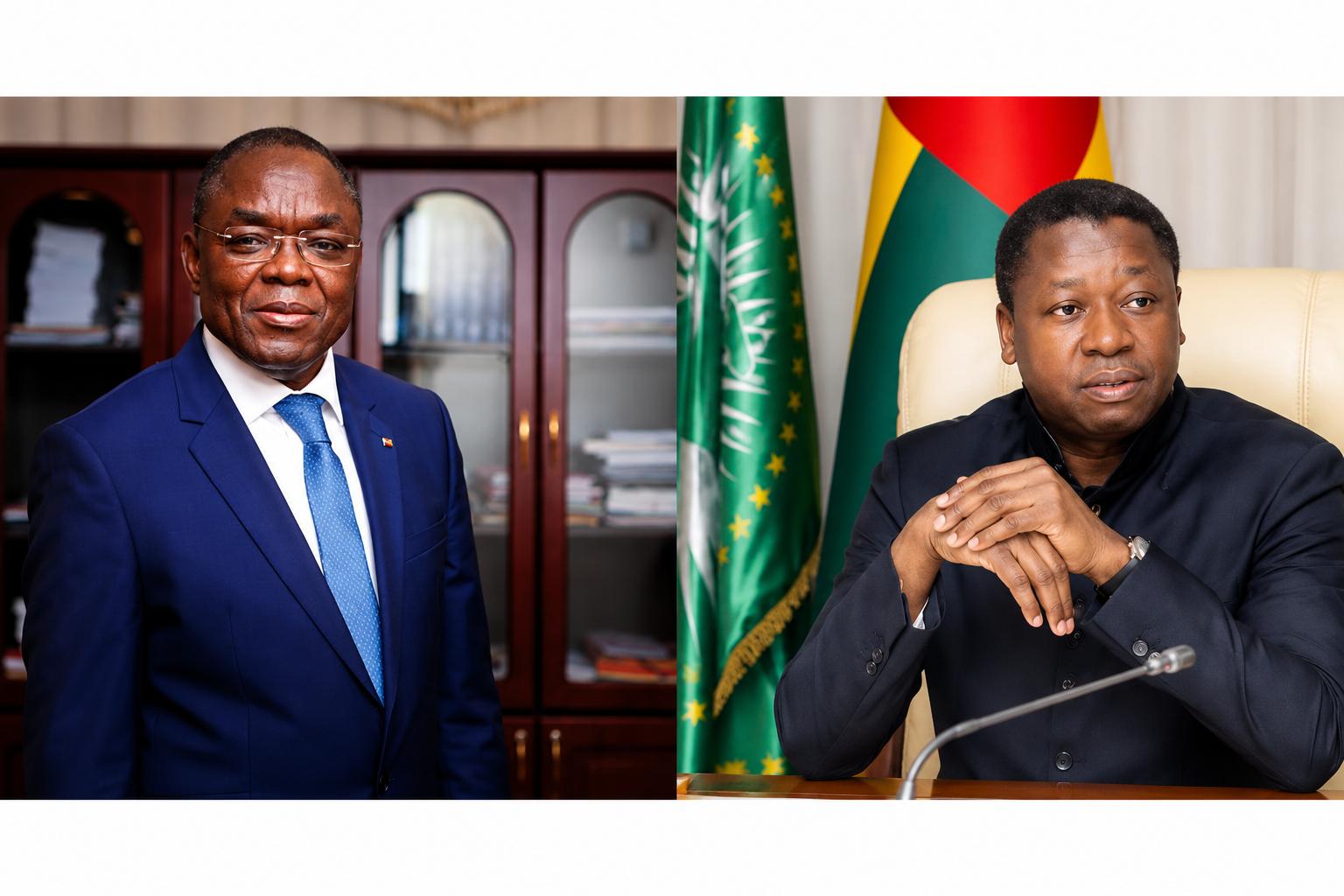
In a sweeping move that sent shockwaves through government corridors in Lomé, Togo’s Public Service Ministry has terminated the employment of over fifty civil servants for presenting forged diplomas, falsified signatures, and fraudulent promotions. Marketed by the administration as a landmark triumph for meritocracy and transparency, this unprecedented cull reveals a far grimmer truth: a state apparatus that allowed impostors to thrive at its very core for decades.
That several of the dismissed employees boasted two decades of service does not signal belated severity; it underscores the catastrophic collapse of oversight mechanisms. While competent and honest graduates in Togo face mass unemployment, the public administration operated like a sieve, turning a blind eye to political arrangements and internal complicity. By placing the civil service under direct supervision of the Presidency, the government appears to be regaining control, yet this centralization smacks of an attempt to obscure its own culpability. Clearing fifty files under pressure from international lenders such as the IMF may clean up the regime’s diplomatic façade, but it does nothing to dismantle a system that has long thrived on double standards and entrenched impunity—where fraud only becomes an issue when it threatens the government’s image.
How the system finally confronts its own flaws
To grasp how such deceit persisted for so long and how the state is now scrambling to fix it, we must dissect the technical underpinnings and budgetary realities driving this sudden clampdown.
1. Digitization: the game-changer in credential verification
The decades-long sheltering of fraudsters within ministries stemmed largely from a rigid, paper-based, and compartmentalized personnel management system. The progressive rollout of integrated human-resource platforms and automated cross-checks with university databases—both domestic and regional—has flipped the script. Any mismatch between an employee’s file and official academic records now triggers an instant alert.
2. Salary-audit demands driven by global financial watchdogs
This housecleaning is not merely about restoring public integrity; it answers a pressing macroeconomic imperative. Under close scrutiny from international financial institutions, including the IMF—which recently approved a US$109.5 million disbursement for the country—Togo must rationalize its operating expenditures. Removing fictitious or illegitimate civil servants is the fastest route to trimming the public payroll without resorting to unpopular austerity measures that would gut social budgets.
3. Blind spots in a two-tier reform agenda
Although the purge has grabbed headlines, it spotlights structural weaknesses the government has yet to confront:
- Weak verification of foreign credentials: Checking degrees obtained abroad or in certain West African nations remains rudimentary due to the lack of unified cross-border authentication platforms.
- Clientelism’s chokehold: Until recruitment processes integrate independent, transparent, and externally audited controls, the risk of political or family patronage networks gaming the system will persist.
Centralizing disciplinary procedures at the Council Presidency raises a critical democratic question. For these oversight mechanisms to be seen as legitimate—not selective purges or tools of political pressure against dissent—the judiciary must be insulated from executive interference. That independence remains the Republic’s most urgent unfinished business.