Justice delayed: post-election detainees face prolonged trials in Cameroon
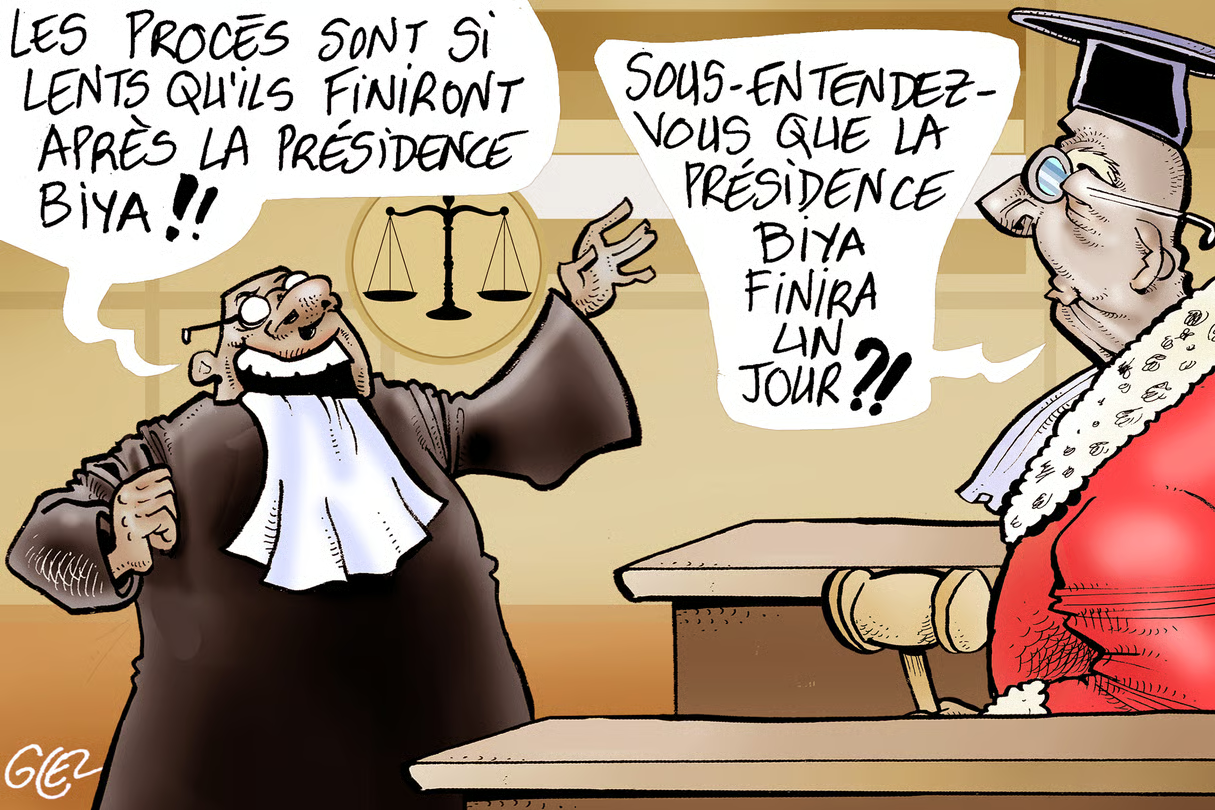
The judicial system in Cameroon continues to grapple with the fallout from the 2025 presidential election, as hearings for individuals detained following postelection unrest drag on. Months after the vote, dozens remain behind bars, their fates still uncertain as legal proceedings stretch endlessly.
The delays have sparked concerns among human rights advocates and family members alike. Many of those incarcerated were swept up in sweeping security operations that followed clashes between opposition supporters and state forces. While authorities cite procedural complexities, critics argue the prolonged detentions reflect deeper systemic issues within the justice system.
Legal limbo: what’s behind the delays?
The snail’s pace of these trials stems from a confluence of factors. Investigative phases have proven protracted, with prosecutors citing the need for exhaustive evidence collection. Defense teams, meanwhile, contend that procedural hurdles—including bureaucratic bottlenecks and resource constraints—are artificially extending the process.
In some cases, hearings are postponed due to absent witnesses or court-appointed experts failing to meet deadlines. The logistical nightmare has left detainees and their families in a state of perpetual uncertainty, with no clear timeline for resolution.
Human cost: families bear the brunt
The emotional and financial toll on affected families cannot be overstated. Spouses, children, and elderly relatives of the detained struggle to make ends meet as legal fees mount and breadwinners remain incarcerated. Many have turned to community support networks or nongovernmental organizations for assistance, though such aid is often piecemeal.
Psychologists warn that prolonged detention without trial exacerbates mental health crises among detainees, particularly those held in overcrowded facilities. Reports of deteriorating conditions have emerged, raising further alarms about the humanitarian impact of these delays.
Calls for swift action
International observers and local activists have urged Cameroonian authorities to expedite these cases. They point to international human rights standards, which emphasize the right to a speedy trial. Failure to adhere to these principles, they argue, risks undermining public trust in the judiciary.
Meanwhile, legal experts stress the importance of transparency. Clear communication about trial progress—or lack thereof—could help alleviate some of the mounting frustrations among stakeholders.
As the nation watches, the question remains: when will justice be served?
© Damien Glez
You may also like
Can West Africa’s peace hold without the Entente Council and UNOWAS pact?
Can Lomé’s quiet diplomacy finally deliver peace to eastern DRC?
Can Nigeria’s security forces ever shut down the kidnapping economy in the north?
Can Benin’s defense strategy survive on diversification alone?
Can the CEMAC capital market finally bankroll Cameroon’s real economy?